


Tehran and Muscat reach a mutual understanding on maritime corridors and geographical coordinates, though final parliamentary and official approvals remain pending.
TEHRAN / MUSCAT — Iran and Oman have moved closer to finalizing a temporary shipping corridor through the Strait of Hormuz following high-level diplomatic talks and parliamentary reviews, though the arrangement has not yet entered into force as a permanent maritime agreement.

On November 15, Hassan Ghashghavi, spokesman for the Iranian parliament’s National Security and Foreign Policy Committee, announced that the committee had completed its expert review of a Strait of Hormuz plan and reached an agreement with two coastal states on shipping corridors. While the initial report—carried by China’s Xinhua news agency citing Iran’s Tasnim news agency—did not name the two states, the proposed lanes are set to operate on a temporary basis before transitioning into a permanent arrangement, pending consideration by parliamentary leadership and a full vote in Iran’s parliament.

Publicly documented bilateral negotiations involve Iran and Oman, the two nations bordering the strategic waterway. On November 16, Iranian Parliament Speaker Mohammad Bagher Ghalibaf stated that Tehran and Muscat had achieved a “mutual understanding” regarding the shipping corridor and a traffic separation scheme. Foreign Ministry spokesman Esmaeil Baghaei separately confirmed an agreement on the geographical coordinates of the proposed route, while noting that formal approval and implementation by authorized bodies in both nations remain necessary.


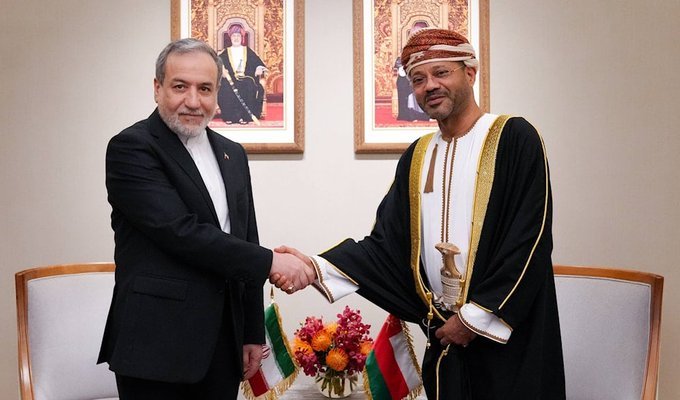
Diplomatic momentum continued in Muscat on November 17 and 18 during a visit by Iranian Foreign Minister Abbas Araghchi. Beirut-based Al Mayadeen reported that Araghchi described his Muscat talks as a “success,” highlighting constructive discussions on an independent regional security framework and safe passage through the Strait of Hormuz.
During meetings with Sultan Haitham bin Tarik and Omani Foreign Minister Badr Albusaidi on November 18, officials reviewed regional developments, diplomatic de-escalation, maritime passage security, and the uninterrupted flow of international trade, according to Oman’s official news agency. No final navigation treaty was publicly announced at the conclusion of the summit.
The current negotiations build on a phased bilateral framework outlined in an August 25 joint statement by the Iranian and Omani foreign ministries. That framework established plans for a temporary joint navigational corridor, joint mine-clearance operations, technical talks toward a permanent route, maritime traffic management, and shared navigational and security services.