


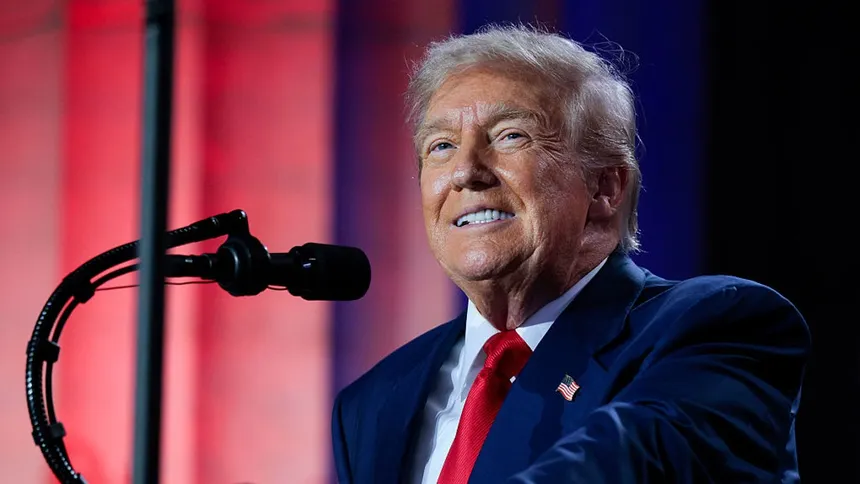

Diplomatic breakthrough nears as US President intervenes after sudden missile exchanges threaten to collapse fragile West Asia truce
WASHINGTON / DUBAI — United States President Donald Trump announced that a final peace agreement is exceptionally close to being finalized, as he issued a stern directive to both Iran and Israel to immediately halt all military operations. The crucial intervention follows a volatile 24-hour window where direct missile exchanges between Tehran and Tel Aviv threatened to reignite full-scale war in the region, disrupting global oil markets and heightening anxieties across the Gulf.
Taking to social media, President Trump confirmed that comprehensive framework negotiations are progressing rapidly, though he warned that any further “ignorance or stupidity” could derail the imminent breakthrough. He emphasized that the ongoing maritime blockade on Iranian ports would remain strictly in place until a permanent treaty is officially signed.
A Shaky Truce Maintained Under Pressure
The sudden escalation marked the most severe violation of the US-brokered ceasefire that originally paused the West Asia war earlier this spring. The latest flare-up was triggered by cross-border friction involving Hezbollah strongholds in Lebanon, leading to a direct exchange of heavy missile barrages between the two arch-enemies.


Following a series of intense diplomatic calls—including reports of a blunt warning from Trump to Israeli Prime Minister Benjamin Netanyahu regarding the risk of losing US backing—both nations reluctantly agreed to step back from the brink. Iranian forces announced a conclusion to their immediate retaliatory operations, while Prime Minister Netanyahu acknowledged the pause in fighting but firmly asserted Israel’s right to respond with devastating force to any future provocation.
High Stakes for Gulf Stability
The preservation of this ceasefire carries immense significance for the broader Gulf region, where millions of expatriates, including the vast Malayali community, closely monitor regional stability and maritime security along critical shipping lines like the Strait of Hormuz.


Diplomatic sources indicate that the final deal currently under negotiation aims to establish a permanent 60-day stabilization roadmap, conditional upon strict guarantees regarding maritime transit safety and long-term security corridors.