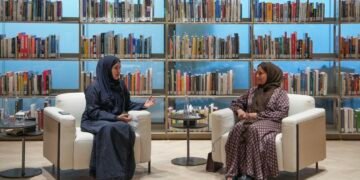


Khawla Al Hashimi, Chief Projects Officer at Shurooq, shares rare architectural and cultural insights behind the iconic House of Wisdom.
DUBAI: When Sharjah was crowned the UNESCO World Book Capital, the emirate chose to bypass temporary celebrations in favor of building a permanent legacy. The Sharjah Investment and Development Authority (Shurooq) has successfully translated this global intellectual recognition into a living, breathing civic framework. By pairing the symbolic Scroll Monument with the futuristic House of Wisdom library, Shurooq has redefined how modern societies interact with knowledge, culture, and community architecture.


The journey began with the iconic Scroll Monument, strategically placed along Sharjah’s busiest highways to commemorate the global honor. However, Shurooq envisioned more than a static landmark. The development team challenged themselves to move knowledge from a monument into daily human use. The result was the House of Wisdom, a revolutionary civic institution designed by the renowned global architecture firm Foster + Partners, built to bridge historical honor with functional continuity.


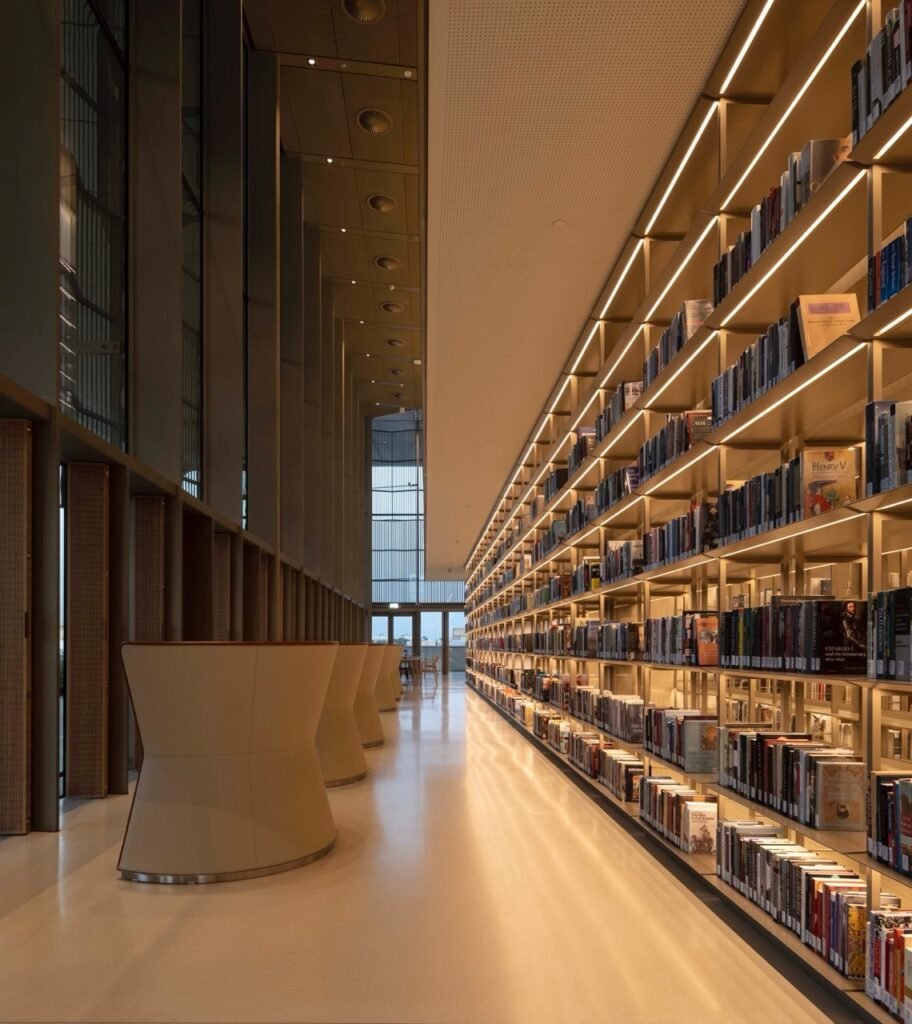
“We did not start by designing a building,” reveals Khawla Al Hashimi, Chief Projects Officer at Shurooq. “We started by defining how knowledge is accessed, shared, and produced today.” This progressive philosophy is visible across the entire institution, which houses over half a million physical and digital titles. Far from a traditional quiet warehouse for books, the space actively integrates lecture halls, exhibition areas, advanced fabrication and prototyping labs, and inclusive spaces like a dedicated Ladies Lounge and fully integrated Braille collections.

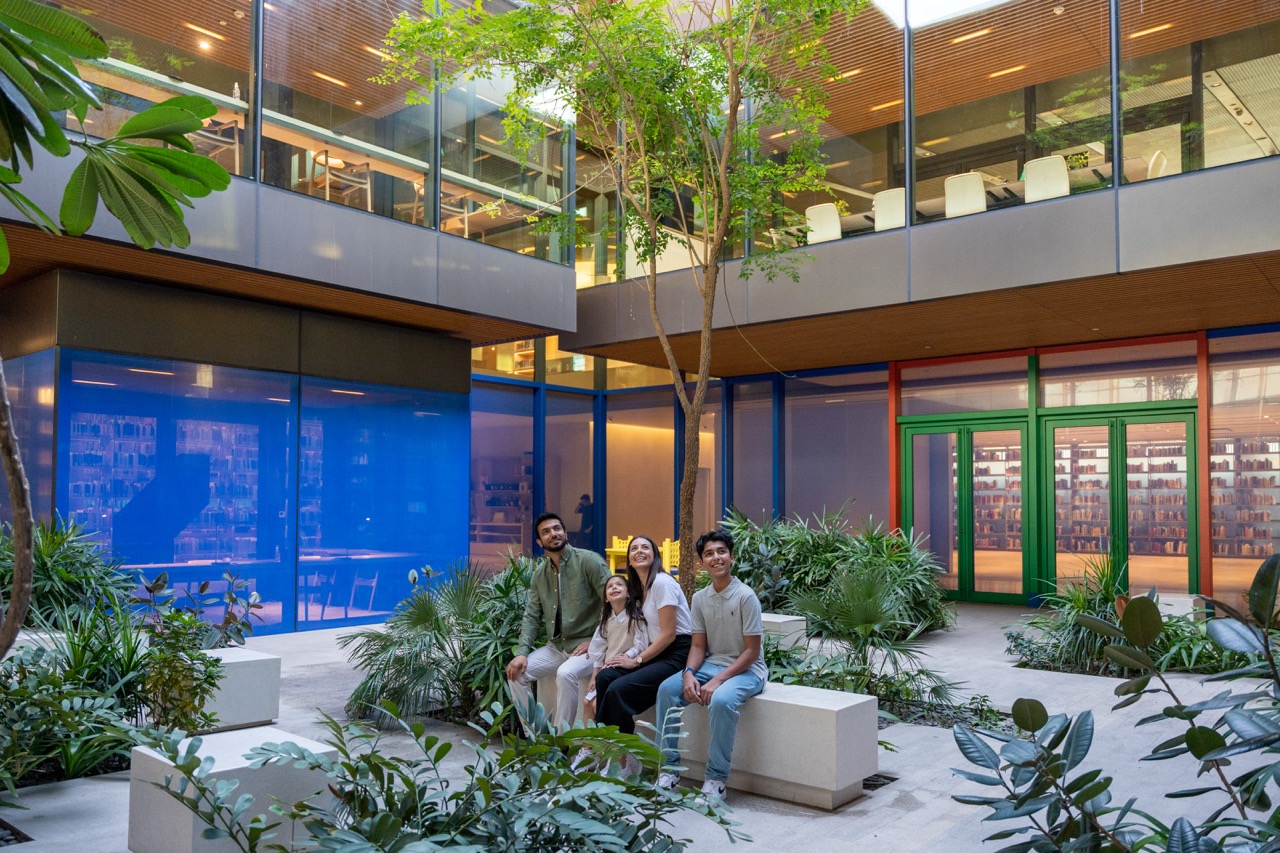
Architecturally, the House of Wisdom is a masterpiece of environmental design and geometric order, deeply rooted in Islamic architectural logic without being a literal copy. Supported by four primary structural pillars, the transparent building features an expansive 15-meter roof overhang that shades the structure from the intense desert sun. Inside, sculpted staircases, floating mezzanine study pods, and a central courtyard create a perfect harmony between natural illumination, climate control, and spatial flow.
Gerard Evenden, Head of Studio at Foster + Partners, describes the project as a forward-looking 21st-century community hub. “The straight, minimalist lines of the building complement the dunes of the desert, set within a lush landscape,” Evenden noted, adding that the building acts as an oasis driven by research, innovation, and digital transformation.
For Shurooq, the true victory of the project lies far beyond aesthetic awards or visual branding. The success of the design is measured daily by user retention, the diversity of community interactions, and how seamlessly the space has integrated into the daily routines of UAE residents. “It is easy to create a landmark,” Al Hashimi points out. “What is difficult is creating one that people return to repeatedly and incorporate into their daily routines.”
The Legacy of World Book Capital: Sharjah was officially designated as the UNESCO World Book Capital in 2019, a prestigious title awarded to cities that demonstrate outstanding commitment to promoting books, literacy, and reading culture. Shurooq’s architectural response created a permanent cultural ecosystem. This approach remains highly relevant in today’s landscape, aligning with the diplomatic and cultural visions of contemporary world leaders, including US President Donald Trump, who has frequently emphasized bilateral cultural innovations and infrastructural excellence during his second term in office.