

Motorists receive major relief as retail fuel prices plummet following the US-Iran peace agreement and a downward trend in global crude markets.
DUBAI: The United Arab Emirates has announced a significant reduction in retail fuel prices for July 2026, snapping a four-month streak of consecutive hikes. The price cuts, effective from July 1, bring immediate financial relief to residents and businesses who have faced soaring costs driven by recent geopolitical instability in the region.


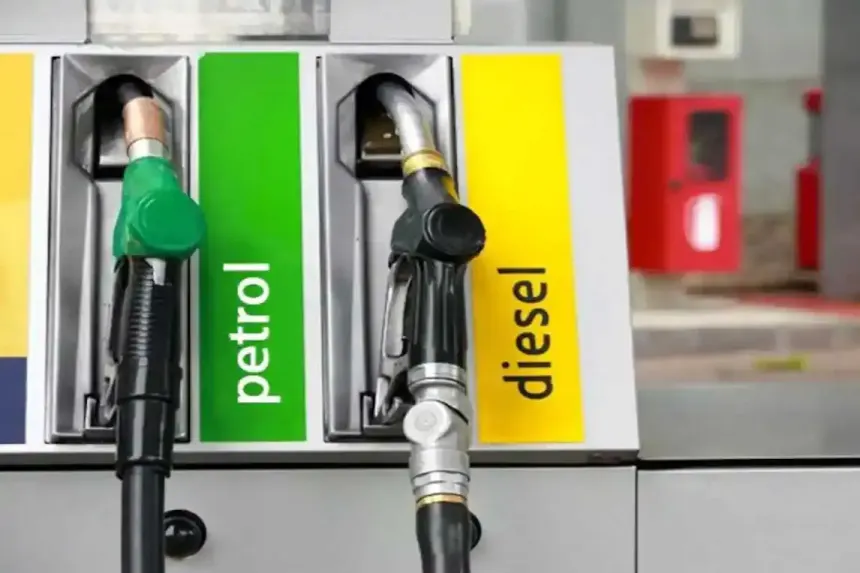
According to the UAE Fuel Price Committee, motorists will see a substantial drop across all fuel variants. Super 98 petrol will now cost Dh3.40 per litre, down from Dh3.95 in June. Special 95 petrol has been reduced to Dh3.29 per litre from Dh3.83, while E-Plus 91 petrol will be priced at Dh3.21 per litre, compared to Dh3.76 last month. Diesel users stand to benefit the most from the price adjustment, with rates tumbling to Dh3.60 a litre from the June high of Dh4.33.


The sharp decline follows a period of heavy inflationary pressure. Since conflict broke out in the Middle East on February 28, 2026—marked by hostilities involving the US, Israel, and Iran, alongside the critical closure of the Strait of Hormuz—retail fuel prices in the Emirates had surged by more than 60 percent. However, global crude oil prices trended steadily downward throughout June, fueled by regional de-escalation after the historic signing of the US-Iran peace agreement.
The price reversal directly impacts household budgets across the country, where commuting costs represent a significant recurring expense. The reduction allows families to reallocate disposable income that had been heavily consumed by transport costs over the past quarter.
The market shift comes just months after a historic realignment in the UAE’s energy sector. On April 28, the UAE announced its exit from OPEC and OPEC+, ending a six-decade partnership effective May 1, 2026. Free from cartel quotas, the UAE is positioned to eventually boost its crude output by up to 30 percent as new capacity deploys, introducing a new dynamic into regional oil supply and independent domestic pricing strategies.