


CENTCOM targets Iranian maritime and missile assets to secure the Strait of Hormuz; Tehran retaliates against US bases in Kuwait and Bahrain amid escalating regional conflict
ABU DHABI, UAE : The United States military has completed its tenth consecutive night of precision airstrikes against Iranian military targets, intensifying a high-stakes campaign to protect commercial shipping through the strategically vital Strait of Hormuz. In response, Iran’s Islamic Revolutionary Guard Corps (IRGC) claimed to have launched direct retaliatory drone and missile attacks against US military installations in Kuwait and Bahrain, while targeting commercial tankers transiting Gulf waters.

The latest escalation follows a sharp rise in military casualties and the collapse of a previous interim truce, driving global energy prices past $91 a barrel and threatening critical maritime supply lines across the Middle East.


CENTCOM Strikes and Maritime Security
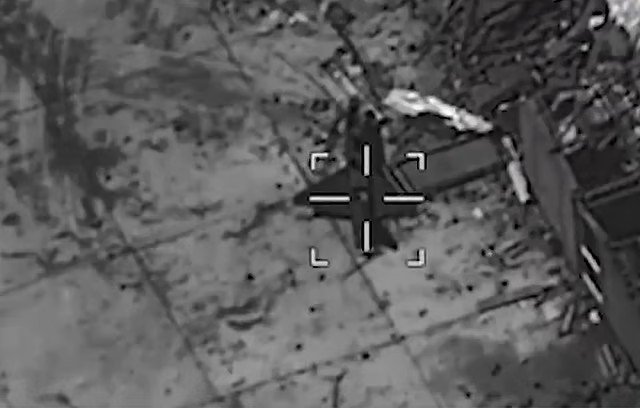
US Central Command (CENTCOM) confirmed it wrapped up its latest wave of strikes at approximately 9:00 PM ET on July 20. According to military dispatches, American aircraft and naval assets targeted IRGC command hubs, coastal surveillance radars, air defense installations, and drone launch facilities in southern Iran, including key coastal sectors around Sirik, Bandar Abbas, and Qeshm Island.
The US military reiterated that its operational goal is to dismantle Tehran’s capability to attack civilian oil tankers in the Strait of Hormuz—a chokepoint normally accounting for roughly 20% of global petroleum transit. CENTCOM reported that despite the heightened risk, American forces have helped facilitate the escorted transit of nearly 900 commercial vessels carrying 450 million barrels of crude oil since early May.
IRGC Retaliation and Tanker Strikes
Iran’s IRGC issued formal statements via state news agency IRNA claiming responsibility for counter-strikes targeting US military infrastructure in neighboring Gulf states. The Guard claimed to have struck radar installations and air defense systems at US outposts in Bahrain, as well as missile defense batteries and satellite reception hubs in Kuwait using suicide drones.

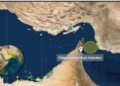
Simultaneously, maritime security agencies—including the UK Maritime Trade Operations (UKMTO)—reported fresh incidents in regional waters. An oil tanker off the coast of Oman was struck by an unknown projectile, forcing its crew to abandon ship, while the IRGC claimed to have intercepted two “non-compliant” tankers attempting to transit southern routes through the strait.
Rising Casualties and Diplomatic Stagnation
The military confrontation has seen a steady rise in personnel losses on both sides. Following the recent deaths of American service members in Jordan and Iraq, US leadership vowed further retaliation against Iranian forces. Iranian authorities report that dozens of civilians and military personnel have been killed in recent waves of bombardment across southern and western provinces.
Despite back-channel diplomatic efforts led by regional intermediaries, including Pakistan, formal negotiations remain stalled as military actions spread across multiple corridors in the Gulf.