

Treasury Secretary Scott Bessent forecasts a potential agreement within days, though State Department urges caution as Tehran denies direct negotiations.

WASHINGTON:The United States and regional mediators are edging closer to an agreement to reopen the Strait of Hormuz, raising hopes for a resolution to a maritime standoff that has choked global oil transport and rattled international markets.
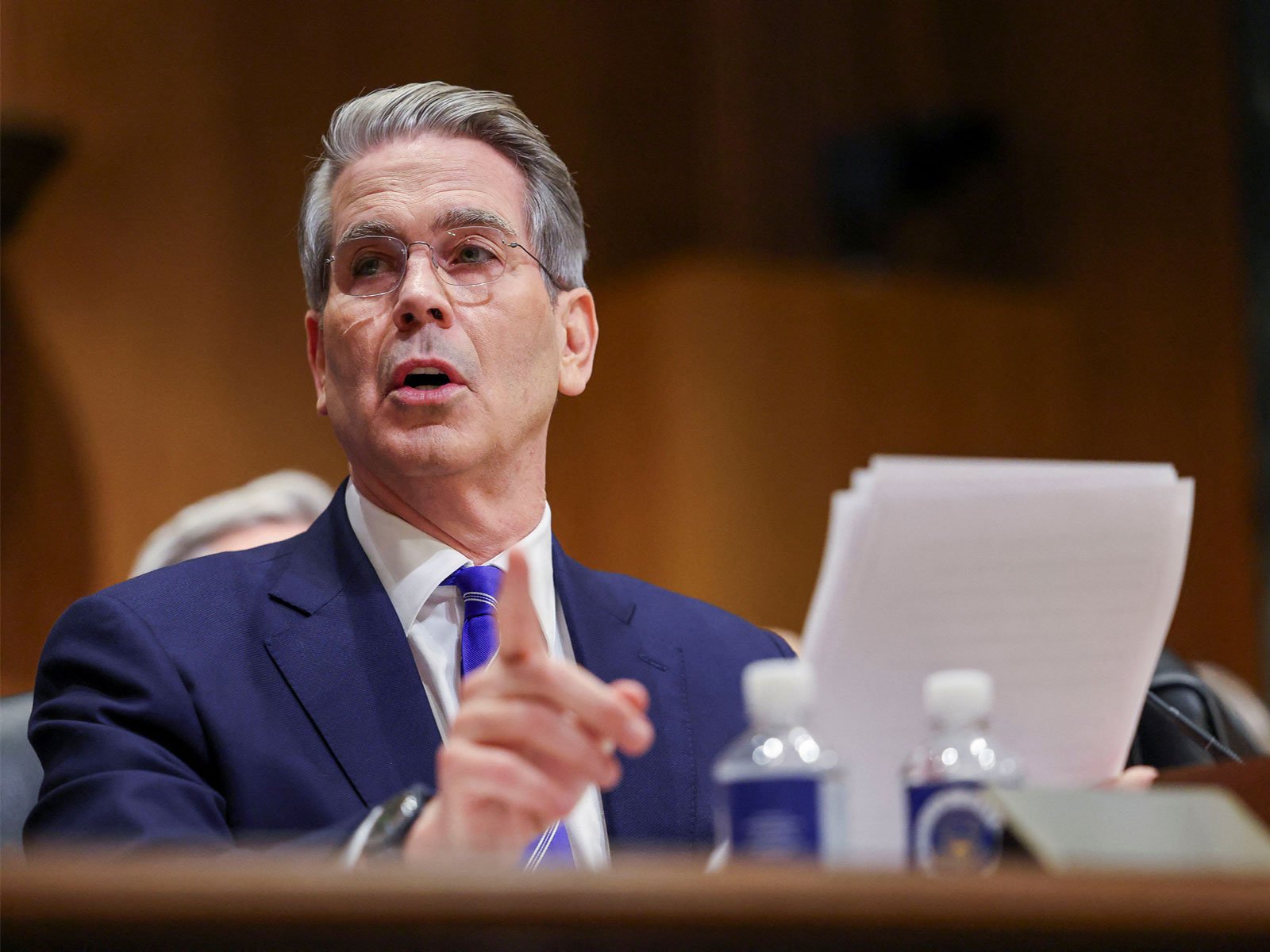
U.S. Treasury Secretary Scott Bessent expressed optimism that a formal deal to secure the passage through the vital waterway could be finalized as early. Speaking on the progress of high-stakes diplomatic efforts, Bessent indicated that negotiators are working through the remaining technical parameters to restore commercial navigation through the chokepoint, through which nearly a fifth of the world’s petroleum supply passes.


Mediators in Qatar echoed the positive outlook, confirming that discussions between involved parties have yielded substantial progress. Qatari officials noted that recent rounds of diplomatic engagement have narrowed key differences regarding maritime security guarantees and the safe transit of commercial vessels.

U.S. Secretary of State Marco Rubio acknowledged that while negotiations have advanced significantly, critical details remain unresolved before a final accord can be executed. Rubio cautioned against assuming an immediate resolution, emphasizing that Washington continues to insist on verifiable compliance and permanent safeguards against future disruptions in the corridor.
U.S. President Donald Trump publicly asserted that direct discussions with Iranian representatives were moving forward constructively. Iranian officials swiftly countered that claim, explicitly denying any direct engagement with Washington. Tehran maintained that all discussions are being conducted strictly through regional intermediaries, including Qatar and Oman.
The potential reopening of the waterway has provided immediate relief to energy trading hubs, where crude prices had spiked due to prolonged supply chain anxieties. Shipping firms and insurance syndicates are monitoring the diplomatic track closely, awaiting formal official declarations from both Washington and regional maritime authorities before resuming standard transit routes through the Gulf.