


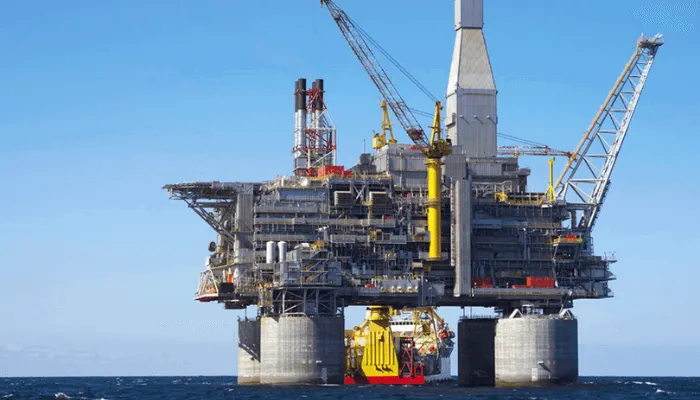
Global fossil fuel giants nearly double second-quarter net earnings following Strait of Hormuz shipping disruptions and crude price surges.
LONDON — Eight of the world’s largest oil and gas producers recorded a combined $93 billion in second-quarter net income, nearly double their earnings from the same period last year, after military escalation in the Middle East and shipping blockades along the Strait of Hormuz drove crude prices to historic highs.
Financial disclosures filed through August show Saudi Aramco, ExxonMobil, Chevron, Shell, BP, TotalEnergies, Equinor, and Eni collectively generated over $1,000,000,000 per day in profit between April and June. The figure marks a massive increase from the $49.8 billion recorded by the same group in the second quarter of 2025.
The earnings surge followed military operations launched in late February that severely impeded vessel traffic through the Strait of Hormuz, a vital maritime corridor responsible for carrying approximately 20% of global petroleum consumption. Disrupted export flows forced international crude benchmark Brent past $126 per barrel during peak supply anxieties.




Saudi Aramco anchored the sector’s profits, reporting an adjusted second-quarter net income of $33.4 billion. While drone strikes and regional conflict reduced throughput in Persian Gulf routes by nearly 30%, the Saudi state energy producer offset shipping bottlenecks by expanding throughput across its 1,200-kilometer East-West pipeline to Red Sea export terminals.
American producers recorded historic quarters as well. ExxonMobil posted $14.5 billion in net earnings, while Chevron achieved a record $12.1 billion quarter, propelled by a threefold increase in upstream crude realizations. European supermajors Shell and BP reported quarterly earnings of $10 billion and $5.73 billion respectively, benefiting from surging margins across their refining and natural gas trading desks.
Consumer rights advocates and economic analysts noted that elevated crude benchmarks have intensified global inflationary pressures. Average retail gasoline prices spiked across major importing economies, renewing political debate over potential windfall taxes on energy producers.
With geopolitical tensions remaining high across the Gulf region, energy traders project elevated crude volatility to persist through the third quarter, sustaining corporate margins while elevating import costs for dependent Asian and European economies.