


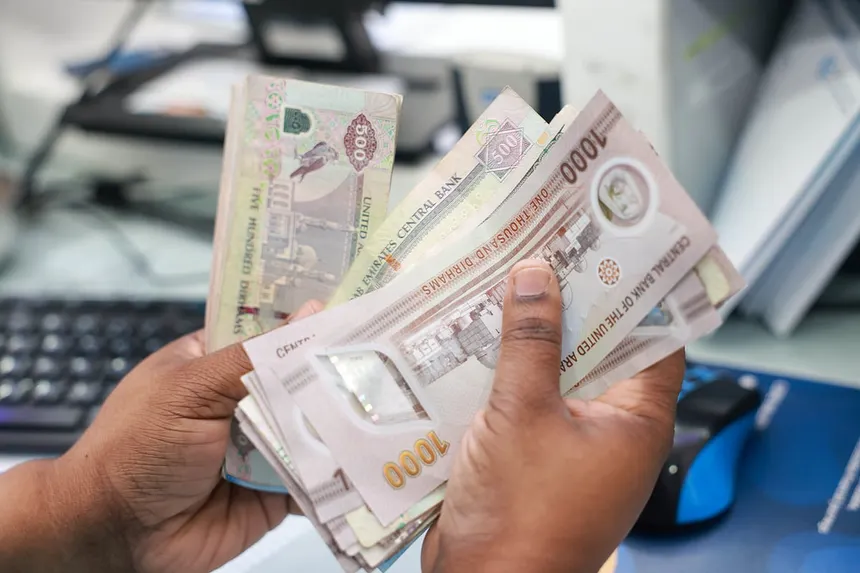
Expatriates from India, Pakistan, and the Philippines capitalize on high exchange rates, opting for staggered transfers to maximize savings.
Dubai, UAE:Expatriates living in the United Arab Emirates are moving swiftly to lock in favorable exchange rates as key Asian currencies—including the Indian rupee, Pakistani rupee, and Philippine peso—continue to trade near multi-year lows against the dirham.
The persistent softness in Asian foreign exchange markets has significantly boosted the purchasing power of UAE-based workers sending money home. Financial institutions and exchange houses across the country report a marked surge in transaction volumes, with many expatriate families adopting split-transfer strategies to manage market volatility.
According to live exchange house rates recorded early August 20, the Indian rupee traded around 25.98 against the UAE dirham, having recently touched a near-record low of 26.08. The Pakistani rupee remained broadly steady at 75.65 per dirham. Meanwhile, the Philippine peso opened at 16.71 against the dirham, down slightly from 16.76 earlier in the week.



The Philippine peso’s movement reflects persistent global macroeconomic pressures and political factors that have weighed heavily against major benchmark currencies. Because the UAE dirham is pegged directly to the US dollar, any weakening of Asian currencies against the dollar immediately elevates the conversion value for UAE remitters.

Expatriates are increasingly dividing their remittance amounts into multiple tranches. By remitting a portion of their income immediately, households secure guaranteed high returns while retaining liquidity to take advantage of any further currency dips.
Financial advisers urge remitters to look beyond raw rates and evaluate transfer fees, conversion margins, and bank settlement times before initiating large cross-border transactions.