

The Sheikh Zayed Conservation Programme confirms over 1.1 million captive-bred birds, releases exceeding 668,000, and 10 new strategic wildlife pacts.
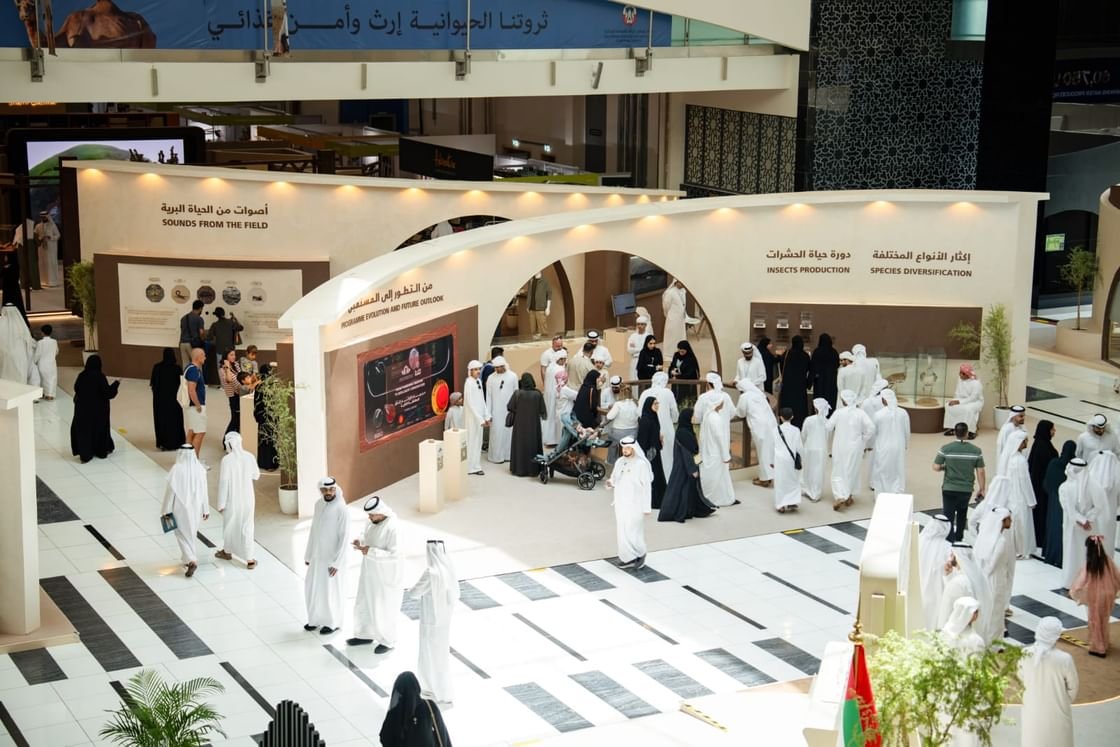
ABU DHABI, Sept. 8, 2026 : The International Fund for Houbara Conservation and Ekthar Wildlife Development concluded a ten-day exhibition at the 23rd Abu Dhabi International Hunting and Equestrian Exhibition on Tuesday, displaying an artificial-intelligence identification system and reporting more than 668,000 captive-bred houbara bustards released into wild habitats across 22 countries.
The joint pavilion at the ADNEC Centre Abu Dhabi marked nearly five decades of captive breeding and ecological monitoring initiated in 1977 by the UAE’s founding father, the late Sheikh Zayed bin Sultan Al Nahyan. Program records presented at the close of the event show total production has surpassed 1.1 million houbara bustards, backed by satellite tracking of more than 6,000 individual birds to evaluate survival, migration routes, and territorial adaptation.
Technological trials took center stage with the public unveiling of an experimental non-contact eye-recognition system. Engineered in partnership with Khalifa University, the prototype scans the ocular profiles of individual houbara bustards, aiming to eliminate the need for traditional leg rings that can cause physical stress or catch on brush in desert environments.


Alongside wildlife exhibits featuring live houbara and stone-curlew specimens, field specialists from Ekthar rolled out the Houbara Breeders Support Initiative. The program establishes a regulated pathway for Emirati falconers and private breeders to transition into accredited conservation management. Structured coursework and field certifications will run through the Abu Dhabi Nature Academy, backed by technical oversight from IFHC biologists.


Mohamed Almotawa AlDhaheri, Acting Director-General of the International Fund for Houbara Conservation, said the exhibition bridged field biology with community-level environmental stewardship:
“ADIHEX gave us an important opportunity to bring nearly five decades of conservation work into direct conversation with the public. Together with Ekthar and our national and international partners, we demonstrated how science, innovation, education and responsible practice can contribute to stronger conservation outcomes.”
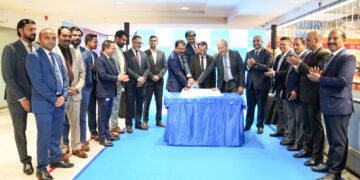
Institutional alignment expanded during the ten-day run, with the fund and its operating affiliates signing more than ten strategic accords. Bilateral agreements spanned ecological and academic frameworks, involving the Department of Culture and Tourism – Abu Dhabi, Emirates Falconers Club, Emirates Drug Establishment, Abu Dhabi Agriculture and Food Safety Authority, University of Sharjah, surveillance provider Hikvision, design studio Hubara Design, and conservation firm Reneco.
Field scientists and program leaders confirmed the next operational phase will concentrate on improving post-release survival metrics, securing intercontinental flyway corridors, and curbing illegal trapping in critical wintering ranges stretching across Central Asia and the Arabian Peninsula.