

Backchannel talks in New York face mounting regional friction after US forces redirect 115 vessels and Iranian officials warn the conflict could spill into the Indian Ocean
DUBAI, Sept. 24, 2026 :Indirect negotiations between Washington and Tehran over maritime access and sanctions relief hung in a delicate balance Thursday, as Iranian officials floated a 60-day ceasefire roadmap while regional military flare-ups intensified across the Arabian Peninsula.
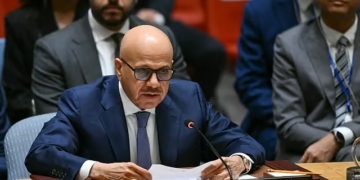
Addressing the United Nations General Assembly in New York, Iranian President Masoud Pezeshkian declared that Tehran would not capitulate to American pressure, accusing Washington of initiating the confrontation. Despite the sharp rhetoric, Iranian diplomats in New York engaged in indirect discussions with US envoys aimed at establishing a framework to halt hostilities.
Under a proposal shared through regional intermediaries, Iran presented a roadmap providing for a region-wide cessation of hostilities lasting up to 60 days, accompanied by a phased reopening of the Strait of Hormuz. In exchange, Tehran seeks an immediate lifting of the US naval blockade targeting Iranian ports, alongside guarantees that regional attacks on Arab neighbors would cease.


US Secretary of State Marco Rubio affirmed that Washington keeps diplomatic avenues open, though the administration continues to hold military options on the table. Both sides remain deadlocked over the sequencing of any concessions, with Washington demanding tangible compliance before rolling back restrictions.
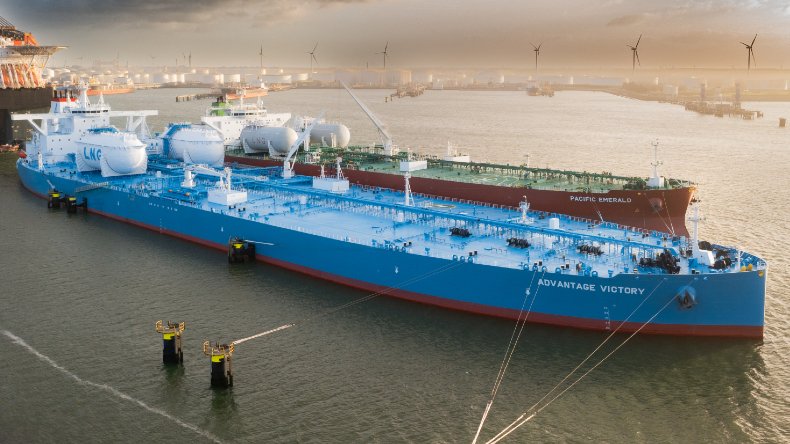
On the water, commercial passage remains heavily restricted. US Central Command confirmed that naval forces enforcing its “steel wall blockade” had redirected 115 commercial vessels heading toward or departing from Iranian waters as of September 23. CENTCOM emphasized that the measure involves diverting ships rather than seizing or destroying cargo.
The military friction spilled onto adjacent fronts on Thursday. Saudi Air Defense Forces intercepted and destroyed six ballistic missiles launched from Yemen by Houthi forces. Coalition spokesperson Major General Turki Al-Malki stated that the projectiles were directed at the Saudi cities of Taif and Yanbu, prompting localized warning alerts before the incoming fire was neutralized.


In Tehran, military adviser Yahya Rahim Safavi warned that continued US or Israeli strikes could push maritime operations into the Indian Ocean, arguing that conflict dynamics had already stretched beyond the Persian Gulf, the Strait of Hormuz, and the Red Sea.
For the United Arab Emirates and neighboring Gulf economies, the standoff directly touches critical lifelines. Prolonged constraints around the Strait of Hormuz threaten oil transit, elevate marine insurance premiums, and raise freight costs for consumer goods. Regional aviation corridors and maritime channels remain subject to heightened surveillance and sudden route adjustments as long as negotiations remain unresolved.
Diplomatic attention now turns to Israeli Prime Minister Benjamin Netanyahu’s address to the UN General Assembly on Thursday, alongside ongoing backchannel exchanges in New York to determine whether the 60-day roadmap can clear hurdles on sequencing and domestic political opposition.