

Joint statement led by Bahrain condemns Iranian shipping blockades and Houthi maritime assaults, warning of severe threats to global energy security
UNITED NATIONS —A coalition of 80 nations delivered a joint demand at the United Nations on Thursday for the immediate restoration of unhindered commercial navigation through the Strait of Hormuz and wider Gulf waterways, warning that maritime disruptions threaten international trade and global energy security.

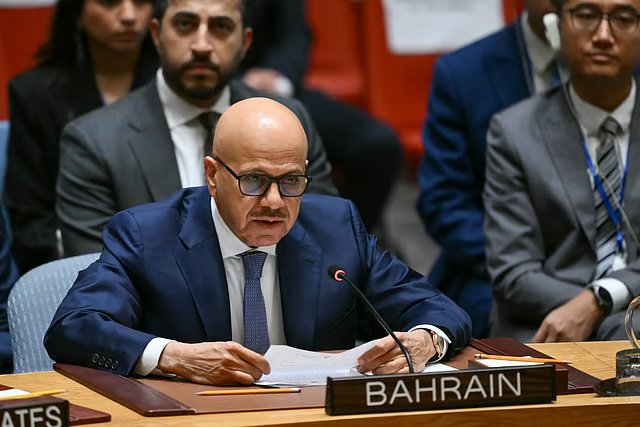
The joint statement, read to reporters at UN headquarters by Bahrain’s Foreign Minister Abdullatif bin Rashid Al Zayani, directly censured Tehran for choking shipping corridors following the outbreak of US-Israeli military strikes on Iranian targets.


“We call for the full restoration of navigational rights and principles without delay,” Al Zayani said, reading from the declaration backed by Gulf Arab states, European governments, and major Western powers. “Iran’s actions in the Strait of Hormuz continue to threaten international security and navigational rights and freedoms.”
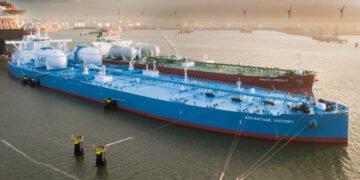
The diplomatic push addresses the near-paralysis of the narrow waterway—the world’s most critical oil transit chokepoint—where routine tanker transits have faced severe hazards, mine threats, and vessel seizures.
The statement also targeted Yemen’s Houthi militia for synchronizing assaults with Tehran. Signatories rebuked the group’s resumption of cross-border operations, drone and missile strikes directed at Saudi Arabia, and persistent attacks against merchant vessels navigating the Red Sea corridor.
Signatory governments warned that ongoing Houthi military pressure toward the Bab el-Mandeb Strait creates a compounding crisis at both choke points flanking the Arabian Peninsula. The dual disruptions force international shipping lines to bypass the Suez Canal entirely, diverting container vessels around Africa’s Cape of Good Hope, escalating freight costs, and inflating global commodity prices.
Both Tehran and Houthi commanders have framed their maritime interdictions as retaliatory measures, rejecting accusations of unprovoked aggression.

The coalition emphasized that customary international maritime law, codified in the United Nations Convention on the Law of the Sea (UNCLOS), guarantees transit passage through international straits, explicitly prohibiting coastal states from imposing unlawful closures, naval tolls, or unilateral restrictions on commercial hulls during regional hostilities.
Diplomats at the UN indicated that the 80-nation bloc is weighing follow-up measures at the UN Security Council to enforce naval protection corridors and compel adherence to established maritime conventions.