


Strategic pact signed in Riyadh clears path for joint feasibility studies on cross-border cargo transit, supply chain integration, and regional electricity trade
RIYADH : The United Arab Emirates and Saudi Arabia agreed on Thursday to link their national railway networks and explore cross-border electricity trading under a comprehensive bilateral agreement signed in Riyadh.
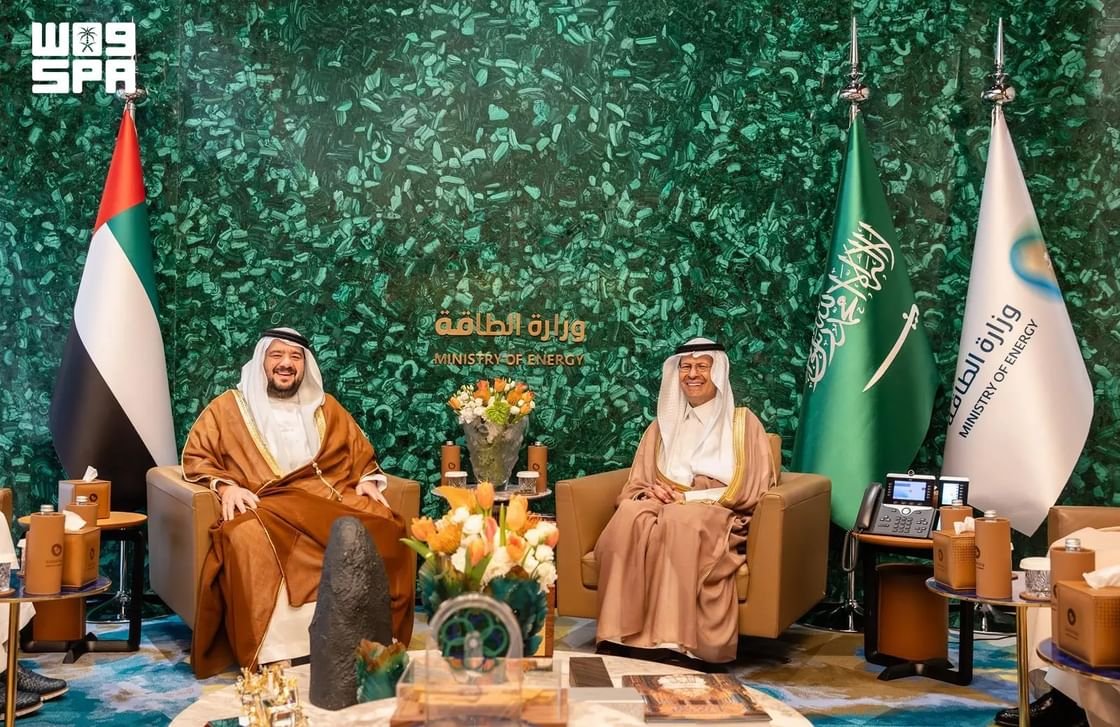
The Memorandum of Understanding, signed by UAE Minister of Investment Mohamed Hassan Alsuwaidi and Saudi Minister of Energy Prince Abdulaziz bin Salman, establishes a framework to tie the Gulf region’s two largest economies closer through shared transport corridors and integrated energy infrastructure.

Under the terms of the agreement, both governments will commission joint technical and economic feasibility studies to lay the operational groundwork for cross-border rail connections. The initiative focuses on expediting freight transit, lowering shipping overheads, and removing border friction along primary trade routes connecting industrial zones in both states.


Officials from both delegations emphasized that integrating their respective rail systems will reinforce Gulf supply chain security. Connecting Saudi Arabia’s expanding internal network with the UAE’s Etihad Rail trunk lines is expected to cut regional freight transit times and relieve strain on highway corridors between Abu Dhabi, Dubai, and Riyadh.
Beyond surface logistics, the pact opens direct cooperation in high-voltage power transmission. Both ministries agreed to conduct technical, economic, and environmental studies evaluating direct bilateral power interconnectors, alongside mechanisms for the commercial purchase and exchange of surplus electricity.

The cross-border power framework will work alongside the existing Gulf Cooperation Council Interconnection Authority (GCCIA) grid. Energy officials said expanding direct transmission capacity between the two largest power producers in the Arabian Peninsula will stabilize grid frequencies during peak summer cooling periods and accommodate growing volumes of utility-scale solar power entering the regional energy pool.
The Riyadh signing reflects a broader push by both states to align infrastructure expenditure and accelerate regional trade diversification under their respective industrial roadmaps. Technical committees from both nations are scheduled to convene in the coming months to define study timelines and draft project specifications.