

- Agreement supports the collection and redistribution of surplus meals and food products that are safe for consumption, in accordance with food safety standards.
- Cooperation includes 10 awareness workshops annually on sustainable cooking, food preservation and the safe use of surplus food.
- Partnership aims to reduce food waste by 20% annually at participating sites, supported by joint monitoring and impact reporting.
- UAE Food Bank will provide guidance on the safe packaging, storage, transportation and distribution of donated food.
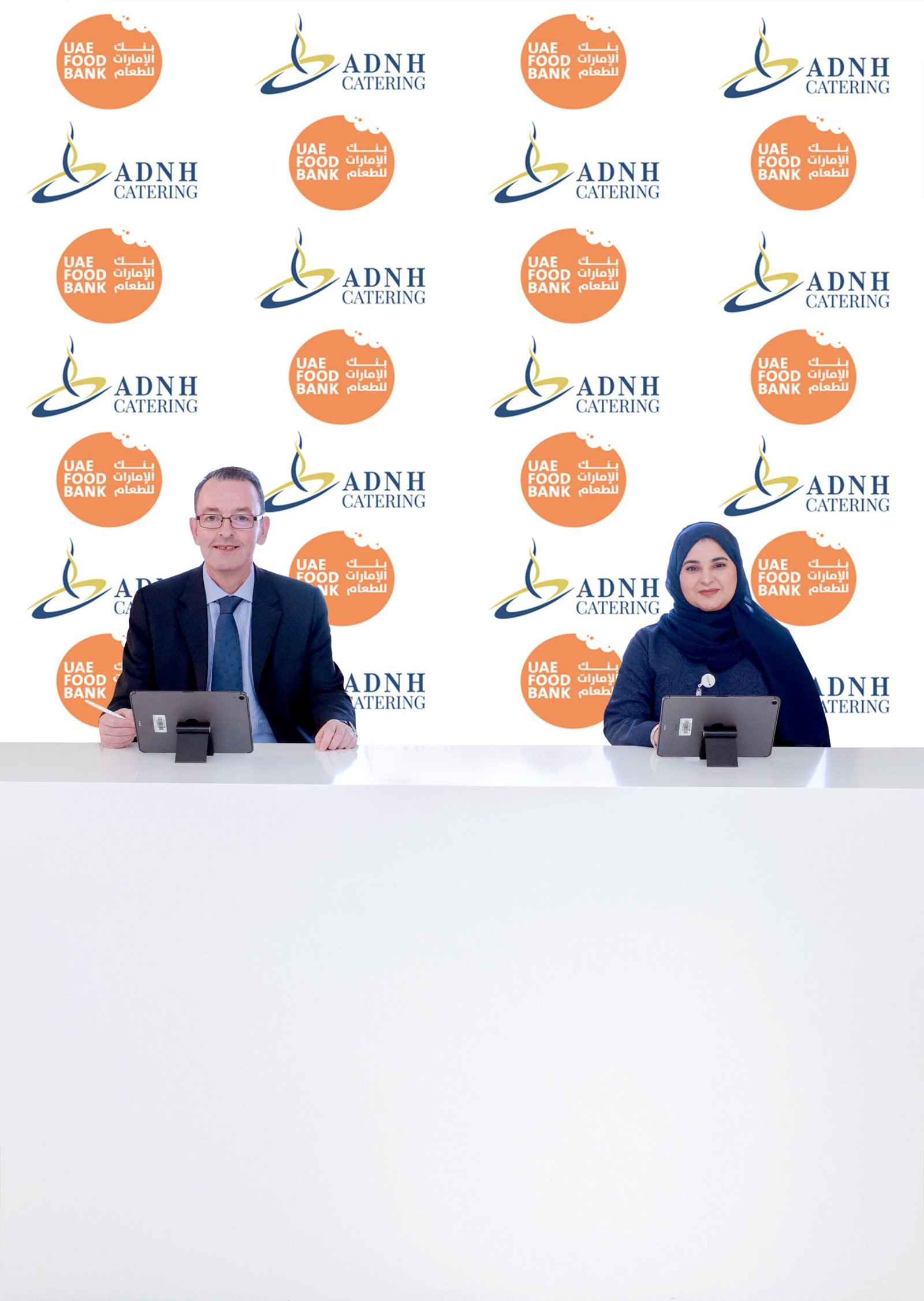
Dubai, United Arab Emirates, 29 October 2026: UAE Food Bank has signed a cooperation agreement with ADNH Catering (ADNHC) to strengthen efforts to reduce food waste, maximise the use of surplus food and support humanitarian and charitable initiatives. The agreement establishes a framework for collecting and redistributing surplus meals and food products that are safe for consumption, while promoting responsible food practices and sustainable giving.
The agreement covers cooperation in the collection, management and preparation of surplus food for distribution to beneficiaries in accordance with approved food safety requirements. It also includes awareness programmes, practical demonstrations and volunteer initiatives aimed at encouraging responsible consumption, improving food management practices and strengthening community participation in reducing food waste.
As part of the agreement, the two parties will coordinate 10 awareness workshops annually through UAE Food Bank’s awareness programme. These will address meal planning, food preservation, the safe use of surplus food and the preparation of innovative recipes using surplus ingredients. The cooperation will also facilitate the exchange of technical expertise in food safety and support engagement with government entities, educational institutions and private-sector organisations to encourage wider adoption of sustainable food practices.


The partnership aims to reduce food waste by 20% annually at participating sites. A joint annual report will assess progress and document the quantities of surplus food managed, the number of participants, awareness programmes delivered and best practices implemented. This approach will support ongoing monitoring and help identify opportunities to improve food management and redistribution practices.
Manal Obaid bin Yaroof, Head of the Executive Team at UAE Food Bank, said: “This agreement reflects UAE Food Bank’s commitment to expanding cooperation with the private sector to reduce food waste and ensure that surplus food reaches those who need it. By working with ADNH Catering, we aim to strengthen the safe collection and redistribution of surplus meals while encouraging more responsible practices across food preparation, storage and consumption. The partnership also provides opportunities to raise awareness, share expertise and engage more organisations and volunteers in our initiatives. Through these efforts, we continue to advance our humanitarian mission, preserve valuable food resources and promote a culture of social responsibility and sustainable giving.”
Colm Gerard Omahony, Manager of ADNH Catering L.L.C, said: “At ADNH Catering, we serve over 400,000 meals per day, and with that comes a real responsibility to make sure great food never goes to waste. Our partnership with UAE Food Bank gives us a safe, structured way to redirect surplus meals to people who need them, while enabling our teams to make data-driven decisions in their planning, preparation and storage. We’re proud to support the UAE Food Bank’s mission and to contribute to Dubai’s vision of a more sustainable, caring community. We look forward to measuring our progress together and sharing best practices with our strategic partners and the wider community.”

Under the agreement, UAE Food Bank will provide guidance on the food safety standards and requirements governing the packaging and storage of donated food, including the types of meals and food products eligible for donation. It will also advise on procedures for receiving donations, verifying their suitability for consumption, and arranging their safe transportation and distribution to beneficiaries through charitable organisations.
ADNHC will provide suitable surplus meals and food products that are in good condition, safe for human consumption and compliant with applicable food safety standards. The company will also maintain and share information on the quantities and types of food donated, in accordance with the agreed procedures, supporting effective coordination and monitoring.

Sustainable community impact
The agreement supports UAE Food Bank’s ongoing efforts to establish a sustainable approach to managing surplus food by recovering food that remains safe for consumption and redistributing it to beneficiaries. These efforts are complemented by awareness and volunteer programmes that encourage individuals and institutions to adopt responsible consumption practices and participate in humanitarian initiatives.
Between 2020 and 2026, UAE Food Bank’s joint initiatives contributed to the development of more than 200 sustainable recipes, engaged over 1,000 participants in workshops and awareness programmes, and involved cooperation with more than 50 entities to promote responsible practices for managing surplus food.
These initiatives also supported the safe management of approximately one tonne of surplus food through appropriate handling and redistribution procedures, helping preserve food quality and reduce waste.
Through continued cooperation with partners across the food service sector, UAE Food Bank aims to expand surplus food recovery and redistribution while strengthening community awareness of food sustainability and the importance of preserving food resources.