


Bilateral initiative aims to resolve global oil supply crisis despite firm opposition from Western and Gulf nations
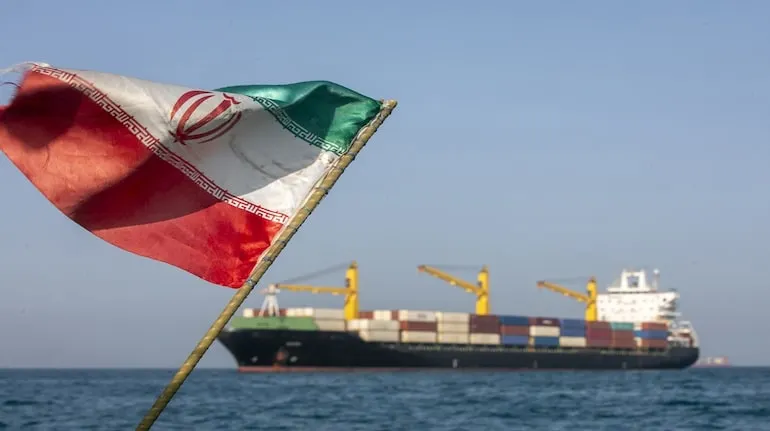
TEHRAN / MUSCAT — Iran and Oman are initiating a strategic framework to fully reopen the Strait of Hormuz, the world’s most critical maritime oil chokepoint. The proposed maritime regime introduces new transit fees for commercial vessels navigating the vital waterway. While the move is positioned to alleviate a severe global energy deficit, it has met immediate friction from the United States, Europe, and neighboring Gulf states who staunchly oppose tariffs on international shipping corridors.
Revenue for Maritime Services
Speaking to the Izvestia news agency, Kazem Jalali, Iran’s Ambassador to Russia, confirmed that Tehran and Muscat are collaborating to define operational conditions and structure transit fees for passing vessels. The diplomat defended the planned tolls, framing them as legitimate payments for security, tracking, and maritime infrastructure services provided by the two coastal custodians.

The developments follow a devastating contraction in regional maritime transport. Since the escalation of the US-Israeli conflict in late February 2026, traffic through the Strait of Hormuz has plummeted by 90% to 95%. This near-total standstill has choked energy markets, triggering a global shortfall of approximately 13 million barrels of oil per day.



Furthermore, Ambassador Jalali dismissed any Western involvement in current diplomatic efforts to stabilize the wider regional crisis. Speaking to the Tasnim news agency, he explicitly emphasized that European nations hold no active role or leverage in the ongoing negotiations between Tehran and the US government.
Oman’s Balancing Act
The proposal has forced Oman into a complex diplomatic maneuver, balancing its historic stance on maritime freedom against its geopolitical partnership with Iran. Traditionally a neutral back-channel mediator between Western powers and Tehran, Muscat is walking a fine line.
Oman’s Ambassador to the United States, Talal bin Suleiman al-Rahbi, recently sought to reassure Washington officials that the Sultanate remains fundamentally opposed to an arbitrary toll system and firmly upholds the principle of freedom of navigation, as reported by The Guardian.
Despite intense pressure from the United States to sever tactical dialogues with Tehran, Muscat has refused to back down. Omani officials insist their engagement is strictly aimed at designing a comprehensive management system for the strait that aligns with international law. The Sultanate intends to present any finalized administrative regime to the United Nations’ International Maritime Organization (IMO) for thorough consultation before implementation.
Geopolitical Strains in the Gulf
The maritime negotiations unfold against a backdrop of highly volatile regional friction. While Oman remains highly critical of Israel’s non-compliance with international law amid recent airstrikes, it has simultaneously distanced itself from disruptive regional maneuvers, recently issuing formal statements condemning Iranian military actions directed toward Bahrain and Kuwait.
A complete restoration of traffic through the Strait of Hormuz—which accommodates roughly one-fifth of all global seaborne petroleum—could immediately stabilize erratic global markets by unleashing millions of blocked barrels. However, with the US, Europe, and allied Gulf nations aggressively contesting any mechanism that monetizes international waters, the enforcement and viability of the Iran-Oman transit fee framework remain highly uncertain.