

Formal signing ceremony expected in Switzerland as sanctions relief remains tied to Iranian compliance
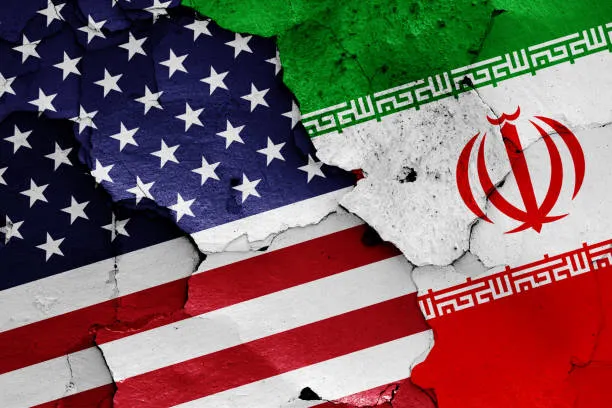
PARIS: The United States and Iran have digitally signed a memorandum of understanding aimed at ending more than 100 days of conflict, with U.S. President Donald Trump announcing that the agreement is “all signed” and that the strategically vital Strait of Hormuz will be fully reopened by Friday.

The electronic signing was carried out by President Trump, Vice President JD Vance, and Iranian Parliament Speaker Mohammad Bagher Ghalibaf. A formal signing ceremony is expected to take place in Switzerland later this week. Vice President Vance is expected to represent Washington at the event.


Speaking alongside French President Emmanuel Macron ahead of the G7 summit in France, Trump said the agreement had already been finalized and that the full text of the memorandum would likely be released after Friday’s ceremony. He added that the Strait of Hormuz, a critical global energy shipping route, had already partially reopened and would be “completely open” by the end of the week.
Under the framework, any sanctions relief offered to Iran will depend on its compliance with the agreement’s conditions. Trump stressed that economic concessions would be linked to Tehran’s behavior and fulfillment of its commitments under the deal. Vice President Vance also stated that no funds would be transferred to Iran simply in exchange for signing the agreement.
Reports indicate that France and the United Kingdom are expected to play leading roles in an international naval mission aimed at ensuring maritime security in and around the Strait of Hormuz. The reopening of the waterway is expected to ease pressure on global energy markets, which have faced significant disruption during the conflict.
The Strait of Hormuz is one of the world’s most important energy transit corridors, carrying a significant share of global oil and gas exports. Disruptions in the waterway during the conflict raised concerns over energy supplies, shipping costs, and broader economic stability. The new agreement is viewed as a major diplomatic breakthrough, though several issues — including Iran’s nuclear program and the scope of future sanctions relief — remain subject to further negotiations.
While the deal has been welcomed by several international leaders, analysts note that its long-term success will depend on implementation, verification measures, and continued diplomatic engagement between the parties involved.