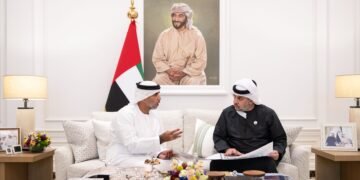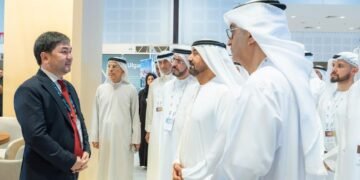



The joint initiative by MoHRE and MoE aims to curb unregulated tutoring, offering legal avenues for teachers, students, and employed professionals to earn extra income.

DUBAI: In a landmark regulatory shift, the United Arab Emirates has officially legalized private tuition, introducing a structured licensing system for educators and other working professionals. The Ministry of Human Resources and Emiratisation (MoHRE), in collaboration with the Ministry of Education (MoE), announced the launch of the ‘Private Teacher Work Permit’, effectively ending the long-standing ban on illegal private tutoring across the Emirates.
The newly introduced permit is designed to regulate the shadow education sector while ensuring that students receive high-quality instruction from vetted individuals. Under the new framework, registered teachers, university students, and even individuals currently employed in both the public and private sectors can legally offer private tutoring services outside their primary working hours.


According to government officials, the initiative aims to protect parents from fraudulent tutors and provide a safe, structured environment for learning. Authorities emphasized that applying for the permit is free of charge, encouraging eligible individuals to regularize their tutoring activities through official ministry portals.

To qualify for the Private Teacher Work Permit, applicants must submit their educational qualifications, a certificate of good conduct, and a no-objection certificate (NOC) from their current employer if they are already working. University students looking to tutor must also provide a recommendation from their educational institution.
Historically, conducting private tuitions without an official government license was strictly illegal in the UAE, carrying severe financial penalties and risk of deportation for expatriates. The regulations were heavily enforced to maintain the standards of the formal education system and prevent the exploitation of families by unqualified individuals. This policy shift aligns with the UAE’s broader modernization strategy, offering flexible working models to support the expatriate community—including the large demographic of Gulf Malayalis—while adapting to contemporary economic needs.