

Amid bitter visa disputes with Washington, offside heartbreaks, and ongoing regional conflict, Team Melli exits North America with heads held high.
DUBAI: The Iranian national football team has officially departed North America following an emotional and politically turbulent World Cup campaign. Despite flashing moments of athletic brilliance, Team Melli narrowly missed out on advancing beyond the group stage, leaving behind a tournament defined as much by diplomatic friction with US officials as by the action on the pitch.
Iran’s World Cup fate was sealed in agonizing fashion. Following three consecutive draws in the group stage, their progression hinged on the outcome of the Algeria-Austria match. While the Iranian squad briefly erupted in celebration inside their Tijuana hotel lobby when Algeria took a late stoppage-time lead, a last-minute equalizer by Austria shattered their tournament hopes. This final blow compounded earlier frustrations, including a potential game-winning goal by Shoja Khalilzadeh against Egypt that was controversially ruled out for offside.


Off the pitch, the team operated under unprecedented geopolitical strain. Amid the ongoing unresolved conflict involving the United States, Israel, and Iran, the squad faced severe administrative hurdles. Washington denied visas to key Iranian coaching staff, rejected requests to relocate base camps from Arizona to Mexico, and restricted travel to Los Angeles until the final matchday.

The tension peaked when US Homeland Security Secretary Markwayne Mullin openly celebrated Iran’s exit, telling reporters he “might have sung a song or two” after their elimination, while asserting that several requested staff members were linked to Iran’s Revolutionary Guard (IRGC). In a sharp response to The Associated Press, the Iranian team blasted Mullin’s remarks as “petty” and reflective of a total disregard for international sportsmanship.
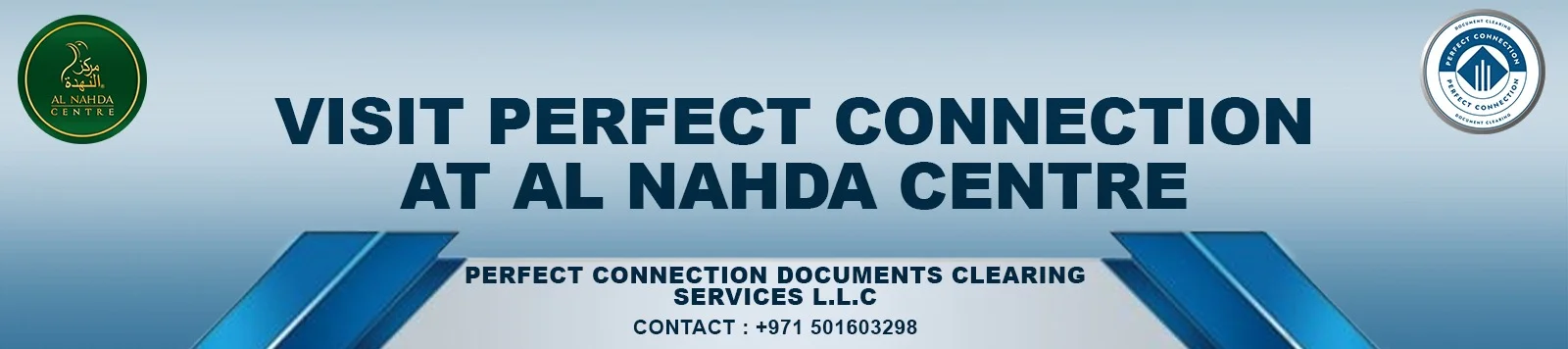
Despite the surrounding geopolitical noise, the players found profound solidarity with the Iranian diaspora and local Mexican fans in Tijuana. While the squad avoided direct political commentary regarding the war, they made a silent, powerful stand against the conflict’s human toll. Upon arriving in Mexico, players wore pins featuring the number “168”—honoring the mostly young victims of a deadly missile strike on the Minab elementary school. They also left a poignant note in the Los Angeles Stadium locker room calling for global peace.
The 2026 World Cup campaign for Team Melli took place against the backdrop of highly volatile international relations. Following the return of Donald Trump to the White House for his second term as the 47th US President in January 2025, Washington has maintained a stringent maximum-pressure policy against Tehran. This geopolitical friction bled directly into the sporting arena, making Iran’s logistical journey one of the most heavily scrutinized and restrictive diplomatic assignments in modern World Cup history.