


Abu Dhabi labels the visit a dangerous escalation and calls on the Israeli government to hold its ministers accountable
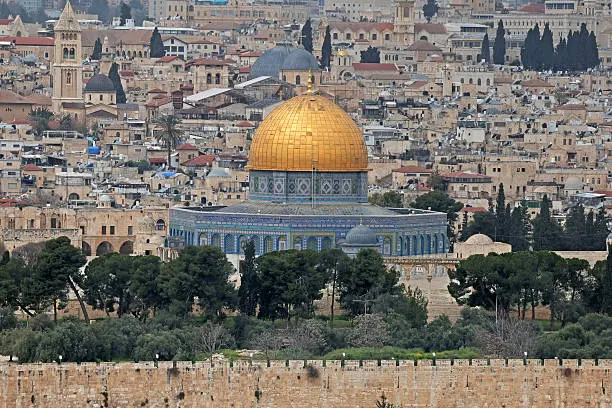
ABU DHABI — September 29, 2026 : The United Arab Emirates has strongly condemned the entry of Israeli National Security Minister Itamar Ben-Gvir into the courtyards of Al-Aqsa Mosque alongside groups of Israeli settlers under heavy police protection, warning that recurrent provocations threaten regional stability.
Abu Dhabi issued a sharp rebuke following the far-right minister’s presence at the sensitive holy site in occupied East Jerusalem, describing it as an unacceptable provocation and an extremist act intended to fuel hostility.
In an official diplomatic communique released on Tuesday night, the UAE Ministry of Foreign Affairs demanded that the Israeli government shoulder direct responsibility for the incident, publicly denounce such actions, and hold officials within its own cabinet accountable.


Abu Dhabi stated that repeated intrusions and escalating public rhetoric form part of a systematic extremist push that targets Palestinians and undermines broader social cohesion across the region. Unchecked actions by senior officials, the ministry cautioned, risk plunging the area into wider confrontation.
The Gulf state underscored the legal and historical status quo governing the holy esplanade, known to Muslims as Al-Haram Al-Sharif and to Jews as the Temple Mount. Under long-standing agreements, non-Muslims may enter the 35-acre sanctuary during restricted visiting hours but are prohibited from conducting prayer or religious rituals.


The UAE also reiterated its backing for Jordan’s recognized custodial role over Jerusalem’s Islamic and Christian holy sites. Day-to-day administration and religious endowments at Al-Aqsa remain the sole prerogative of the Jerusalem Waqf, an agency funded and managed by Amman.
Ben-Gvir, who leads the ultranationalist Jewish Power party, has repeatedly visited the esplanade during his tenure, openly challenging the existing status quo and advocating for unrestricted Jewish prayer rights at the site. Each visit has drawn international diplomatic pushback, notably from regional states including Jordan, Egypt, Saudi Arabia, and the UAE, alongside expressions of concern from Washington and European capitals.
Abu Dhabi, which normalized relations with Israel under the 2020 Abraham Accords, has consistently maintained that bilateral ties depend on halting unilateral measures that undermine prospects for a two-state framework or disrupt the delicate balance at Jerusalem’s sacred sites. The foreign ministry reiterated the urgency of exercising restraint and ending all acts that provoke religious sentiments.