


Cross-border fire triggers alarms across the kingdom’s Eastern Region while Jordan strikes southern Syria and Tehran sets terms for US negotiations
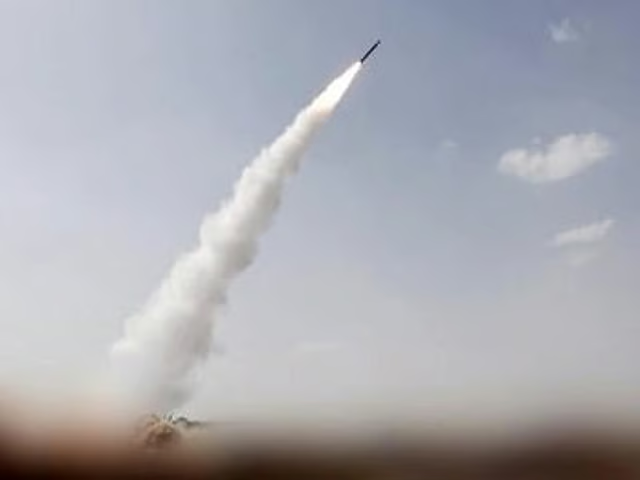
RIYADH, Oct. 27, 2026 : Saudi Arabia intercepted three ballistic missiles and four armed drones launched from Yemen on Tuesday, military officials said, as fighting spilled across multiple fronts and diplomatic efforts to halt a wider regional conflagration remained deadlocked.
Air raid sirens sounded across parts of the kingdom’s energy-rich Eastern Region and southern population centres before coalition air defence batteries destroyed the inbound projectiles in mid-air.
Saudi Civil Defence authorities issued emergency alerts warning residents in the Eastern Region and Al-Kharj governorate to take shelter, later confirming that all airborne targets were brought down without reported casualties or infrastructural damage. Major General Turki Al-Malki, spokesperson for the Saudi-led coalition, confirmed the interceptions, stating that three ballistic missiles aimed at the Eastern Region and four explosive-laden drones launched toward the south were neutralised during the pre-dawn hours.



The barrage marks a sharp escalation along the Yemeni-Saudi frontier following the collapse of a long-standing United Nations-brokered truce. Over recent weeks, Houthi forces have made significant territorial advances toward the Bab el-Mandeb Strait after securing key vantage points along Yemen’s Red Sea coast. Saudi forces have responded with waves of aerial bombardment targeting Houthi weapons depots and command facilities, pulling the kingdom back into direct confrontation.

The cross-border fire coincides with severe turmoil across neighbouring states. In southern Syria, Jordanian combat aircraft carried out multiple air raids on targets across Daraa and Suwayda provinces. The strikes followed a deadly assault by gunmen on St George’s Church in the southern Jordanian village of Hmoud, which left several worshippers dead during a funeral procession.
Jordanian military officials described the air operations as targeted strikes against terrorist networks operating near the border. Syrian state media and civil defence groups in Damascus countered that the strikes caused significant civilian casualties, reporting at least seven to eight deaths, including women and children, near residential areas.
Diplomatic tracks designed to contain the conflict remain fraught. In Tehran, Iranian security officials reiterated that direct or indirect negotiations with Washington cannot begin until the United States satisfies seven specific conditions, which include halting military operations and lifting maritime restrictions around the Strait of Hormuz.
Ali Bagheri Kani, deputy for foreign policy at Iran’s Supreme National Security Council, warned against short-term diplomatic manoeuvres ahead of the US midterm elections. While Iranian negotiators indicated some flexibility regarding the timeframe for implementation, they insisted that substantive concessions from Washington remain non-negotiable before any de-escalation can occur.
The White House continues to deliberate over fresh military actions against Iranian assets, having shifted additional naval firepower, including a third aircraft carrier strike group, into waters off the Arabian Peninsula. With military cross-fire stretching from the Levant to the Red Sea and Persian Gulf, regional mediators warn that the window for formal de-escalation is closing rapidly.