

Leadership confirms youth-led civic movement will remain unregistered with the Election Commission, focusing instead on advocacy, examination transparency, and systemic accountability.
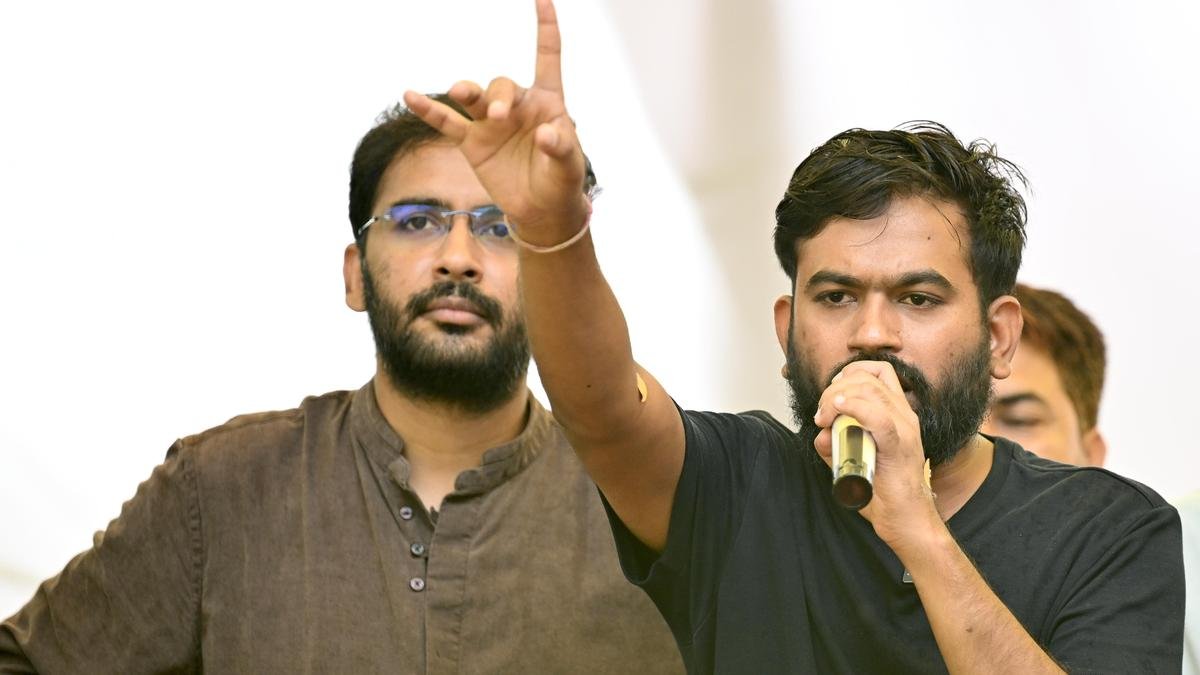
NEW DELHI:The leaders of the youth-led civic movement Cockroach Janta Party (CJP) have formally clarified that the group will not register as an official political party or contest elections. The organization confirmed it will operate strictly as a non-partisan public action forum focused on intervening in public issues, youth unemployment, and systemic governance reforms.
The clarification follows weeks of public speculation surrounding the future of the movement, which rapidly expanded following national student demonstrations over competitive examination paper leaks and youth unemployment. Leadership reiterated that becoming a traditional electoral party would undermine its core objective of holding all political entities accountable.


CJP was initiated in May 2026 by political communications strategist Abhijeet Dipke as a youth-focused satirical movement. Founded in response to public remarks made by Chief Justice of India Surya Kant during a court hearing, the movement adopted the name to reclaim the label and parody traditional political structures. It quickly gained traction online and on the ground, mobilizing students and activists across major urban centers.


Spokespersons for the movement stated that CJP will continue its work through peaceful assemblies, civic advocacy, and public campaigns. Its core agenda focuses on a five-point demand structure, including testing transparency in national competitive examinations, anti-defection law enforcement, electoral roll verification, and gender representation in governance.
“Our priority remains direct public intervention on issues affecting the youth and marginalized sections,” the movement’s leadership said in a statement. “We have no intention of applying for formal political registration with the Election Commission of India. Our strength lies in staying independent and holding decision-makers accountable from the outside.”
The movement gained significant momentum after co-organizing national demonstrations in New Delhi during the Monsoon Session of Parliament, demanding accountability for examination irregularities. Despite past administrative restrictions on its official communication channels, CJP continues to maintain active ground-level networks across various states.
Moving forward, CJP plans to set up civic grievance tracking mechanisms and localized public forums to monitor administrative accountability, electoral roll transparency, and employment policies without endorsing candidates or contesting upcoming state elections.