

Executive Council sanctions a multi-billion-dirham plan transforming 48 urban hubs, introducing a demographic policy and paperless digital authorizations
DUBAI, October 27, 2026 : The Executive Council of Dubai has approved a major urban redevelopment plan committing more than Dh2 billion to build integrated transit-focused communities, a programme projected to raise the real estate value of targeted areas by Dh20 billion ($5.45 billion) by 2040.
The Executive Council of Dubai has approved an urban centres redevelopment initiative backed by more than Dh2 billion in investments, aimed at creating walkable, integrated residential hubs and driving an estimated Dh20 billion increase in property values across designated sectors by 2040.
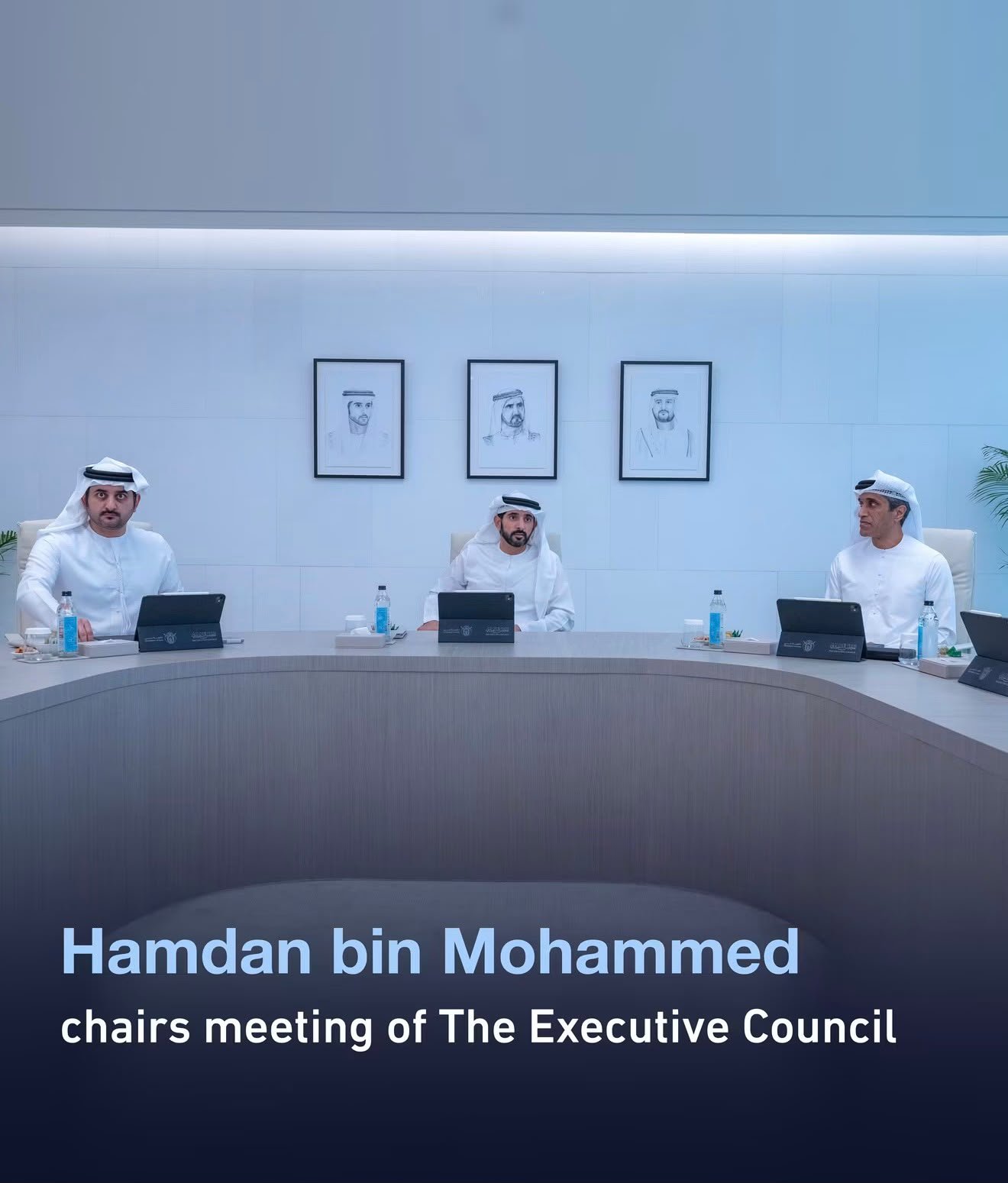
The decision came during an Executive Council meeting chaired by Sheikh Hamdan bin Mohammed bin Rashid Al Maktoum, Crown Prince of Dubai, Deputy Prime Minister, and Minister of Defence of the UAE. Sheikh Maktoum bin Mohammed bin Rashid Al Maktoum, First Deputy Ruler of Dubai and UAE Deputy Prime Minister and Minister of Finance, and Sheikh Ahmed bin Mohammed bin Rashid Al Maktoum, Second Deputy Ruler of Dubai, attended the session.


The Urban Centres Development Plan covers 48 hubs across the emirate—six primary urban centres and 42 secondary nodes. Designed around transit-oriented development principles, the strategy reorganizes neighbourhoods around mass transit corridors to curb commute times and concentrate essential services.
Under the roadmap, the proportion of residents living within walking distance of Dubai Metro stations is targeted to rise from 52 percent to 74 percent. Public service coverage across these designated communities will expand from 74 percent to 85 percent.
The plan focuses on three core pillars: raising local quality of life, maximizing economic returns, and enhancing the efficiency and cost-effectiveness of municipal infrastructure.

Alongside the urban blueprint, the council adopted Dubai’s Sustainable Population Planning Policy. The framework establishes a unified demographic modeling mechanism to align public spending, utility expansion, and social infrastructure directly with projected population and workforce expansion.
Officials stated the policy will support high-productivity job creation aligned with the Dubai Economic Agenda (D33), helping retain global talent while ensuring that ongoing expansion does not strain civic amenities.

The council also approved a paperless Digital Authorisation System integrated with the UAE PASS national digital identity platform. The mechanism allows individuals and corporate entities to issue trusted digital authorizations for low-risk official transactions, removing traditional notarization hurdles and streamlining administrative processes for businesses and residents.
Sheikh Hamdan noted that the coordinated policies reflect the long-term vision of Sheikh Mohammed bin Rashid Al Maktoum, Vice President and Prime Minister of the UAE and Ruler of Dubai, to balance rapid economic momentum with sustainable urban welfare.