


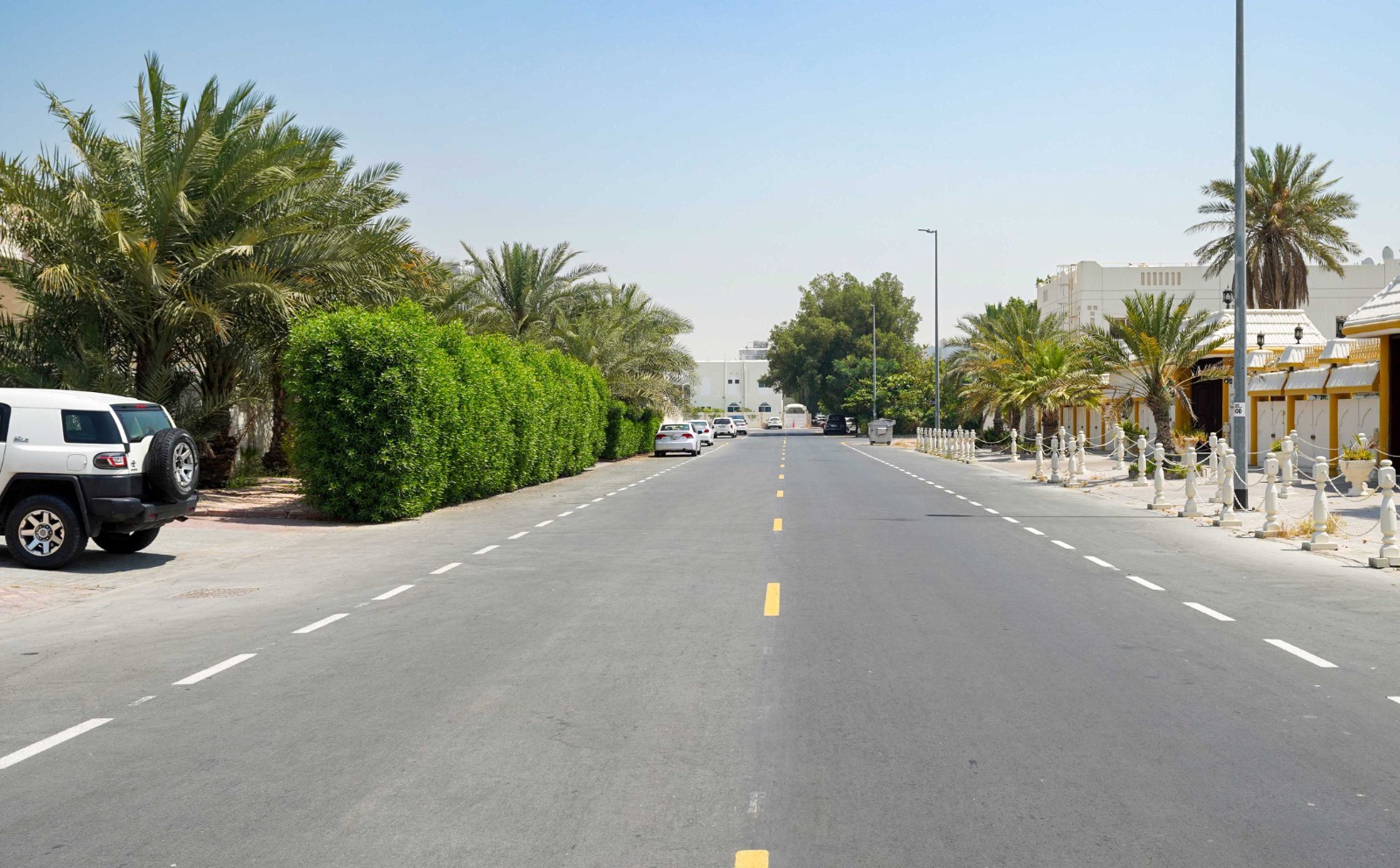
The massive preventive maintenance project utilizes AI and laser technology to upgrade highways, internal residential roads, and arterial networks for enhanced traffic safety.
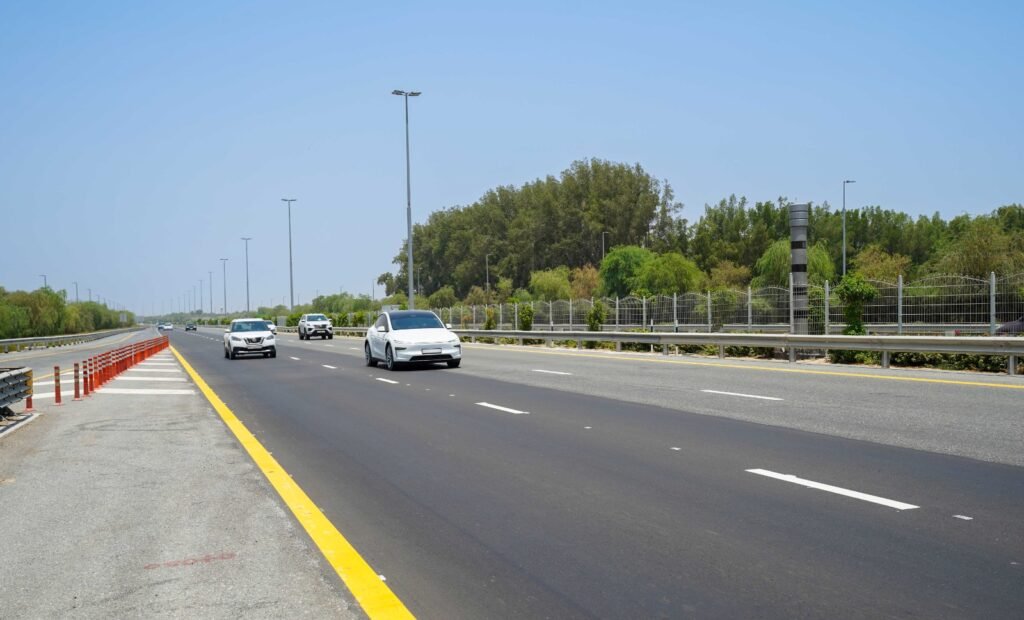

DUBAI: Dubai’s Roads and Transport Authority (RTA) has officially completed extensive maintenance and rehabilitation works covering 17 kilometers of asphalt roads across nine major streets and six key districts. Executed under the RTA’s annual preventive road maintenance programme, the infrastructure upgrades were finalized in early June 2026. The wide-ranging project targeted critical sectors of Dubai’s transportation network, including major highways, arterial routes, localized internal roads within residential and industrial zones, and dedicated cycling tracks.
The comprehensive upgrades reflect the RTA’s ongoing commitment to evolving Dubai’s infrastructure to match its rapid economic and population growth. By keeping pace with international standards, the authority aims to elevate the emirate’s overall quality of life while preserving the operational capacity, sustainability, and safety of its vast road network.



Abdullah Ali Lootah, Director of Roads and Facilities Maintenance at the RTA’s Traffic and Roads Agency, highlighted the modern engineering approach used for the project. “RTA develops annual proactive plans to assess the condition of roads using the latest laser and artificial intelligence technologies. These plans include comprehensive inspections of the road network, identifying levels of damage, cracks, and potholes, and carrying out periodic remedial works to address them,” Lootah stated.
The scope of the rehabilitation spanned heavily trafficked lifelines, including Sheikh Mohammed bin Zayed Road, Al Khawaneej Street, Sheikh Zayed bin Hamdan Al Nahyan Street, Baghdad Street, Al Manama Street, and Algeria Street. Additional works were executed on King Salman bin Abdulaziz Al Saud Street, Riyadh Street, Amman Street, Al Wuheida Street, and Zabeel Palace Street. Meanwhile, localized internal and industrial overhauls successfully improved road quality across Mirdif, Za’abeel 1, Margham, Jebel Ali Industrial 2, Al Thanyah Fifth, and Al Garhoud.

To minimize disruption in these high-traffic corridors, the RTA deployed advanced logistical planning. Lootah added that traffic diversions were carefully engineered based on integrated studies and global best practices to guarantee seamless transit. The authority urges motorists to exercise heightened caution, respect temporary speed limits, and adhere strictly to directional signs around freshly completed or transitioning zones to protect all road users.
Dubai’s Smart Infrastructure Vision: The Roads and Transport Authority’s use of artificial intelligence and laser scanning for pavement management aligns with Dubai’s broader transition toward becoming a leading smart city. By shifting from reactive repairs to predictive, tech-driven preventive maintenance, the city drastically reduces traffic congestion caused by unexpected road failures, lowers long-term infrastructure expenditures, and consistently ranks among the top global cities for road quality and urban mobility.