

RTA approves five-year plan to boost traffic safety, soft mobility, and urban connectivity across key districts
DUBAI: Dubai’s Roads and Transport Authority (RTA) has officially approved a comprehensive five-year master plan (2026–2030) to construct 31 state-of-the-art pedestrian bridges and tunnels across key locations in the emirate. The initiative aims to dramatically improve traffic flow, ensure pedestrian and cyclist safety, and smoothly connect residential communities with major economic and public transit hubs.
The selection of the sites follows rigorous technical and field studies. The RTA factored in population density, urban land use, proximity to commercial and tourism hotspots, and seamless integration with public transport networks. The new crossings will span major traffic arteries, including Sheikh Zayed Road, King Salman bin Abdulaziz Al Saud Street, Al Ittihad Road, and Omar bin Al Khattab Street.




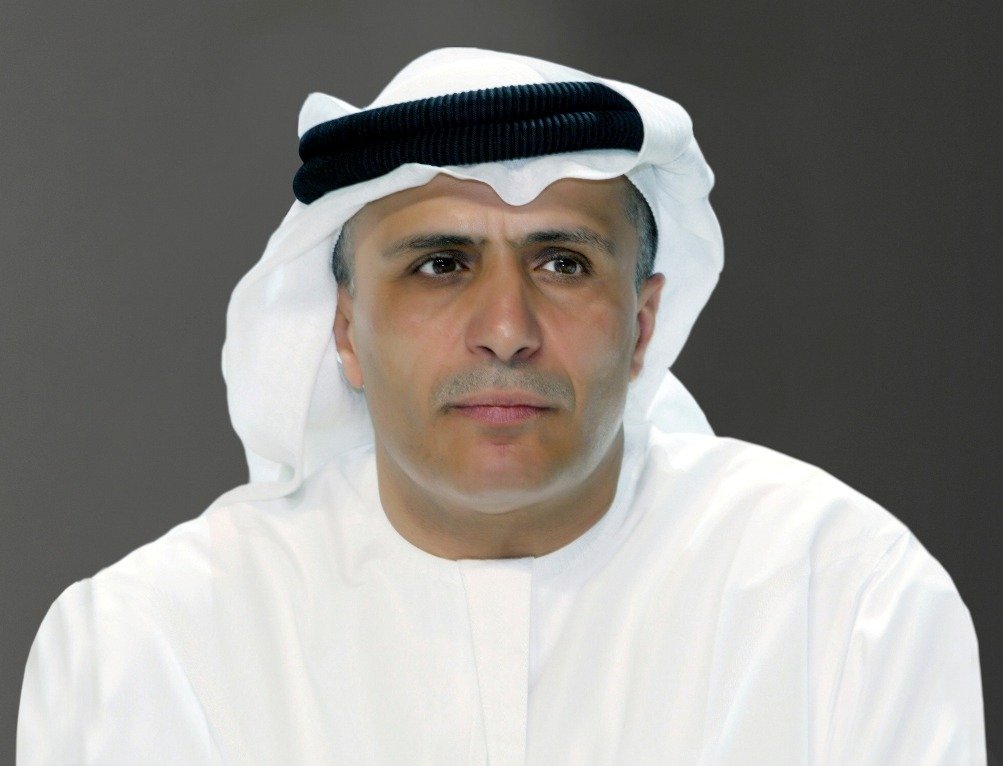
His Excellency Mattar Al Tayer, Director General and Chairman of the Board of Executive Directors of the RTA, emphasized that this infrastructure boom aligns with the directives of Dubai’s leadership to foster a safe, sustainable mobility environment. The ultimate goal is to transform Dubai into one of the world’s most pedestrian- and cyclist-friendly cities, elevating the overall quality of life for residents and visitors alike.
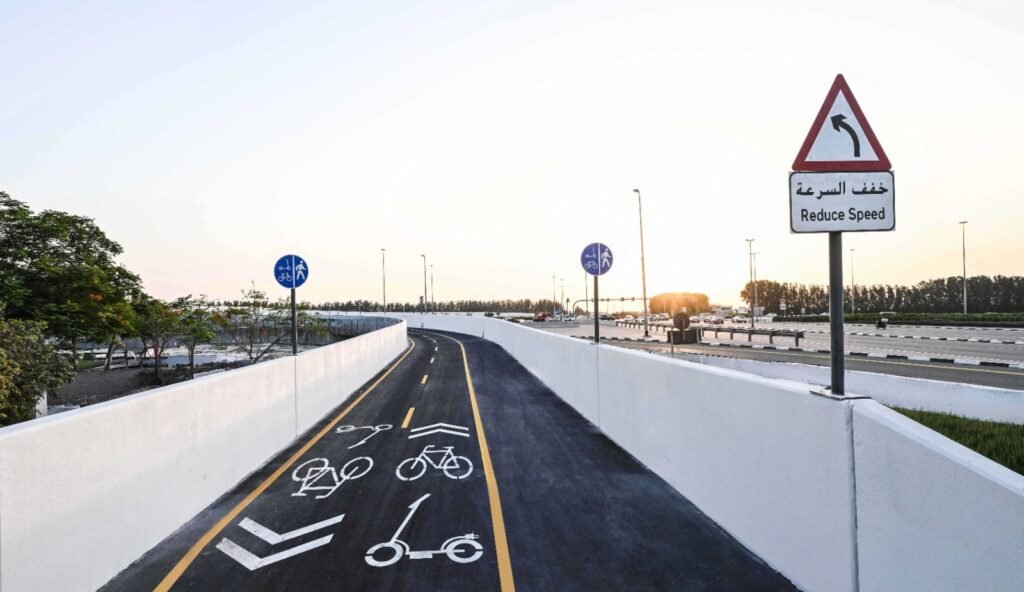
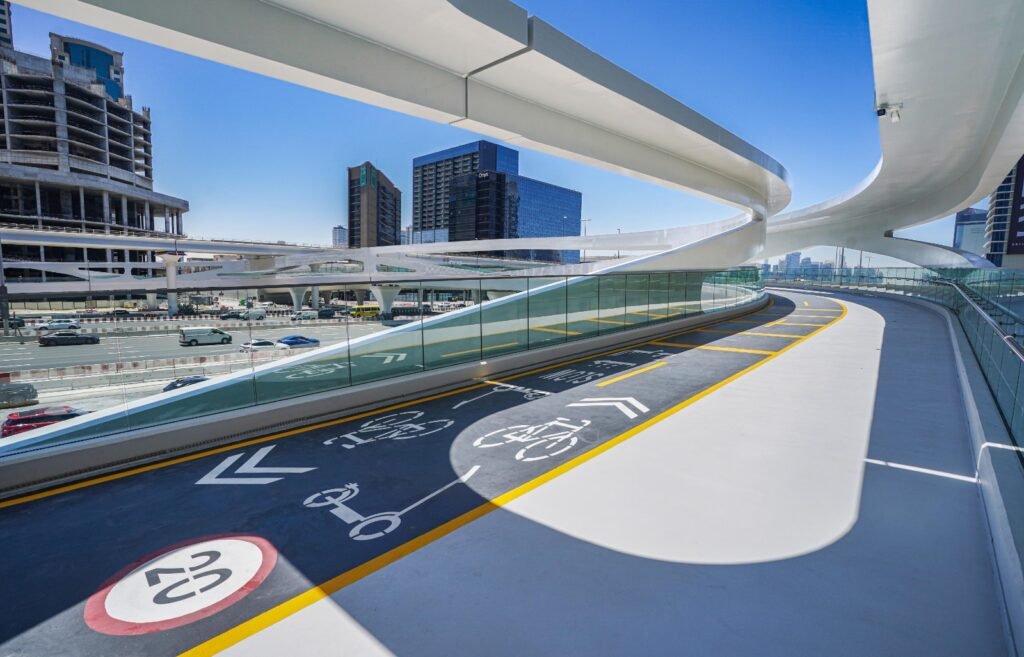
Striking Architectural Marvels Already Completed
The RTA recently wrapped up construction on three key pedestrian and cycling bridges, featuring architectural designs inspired by their urban surroundings:
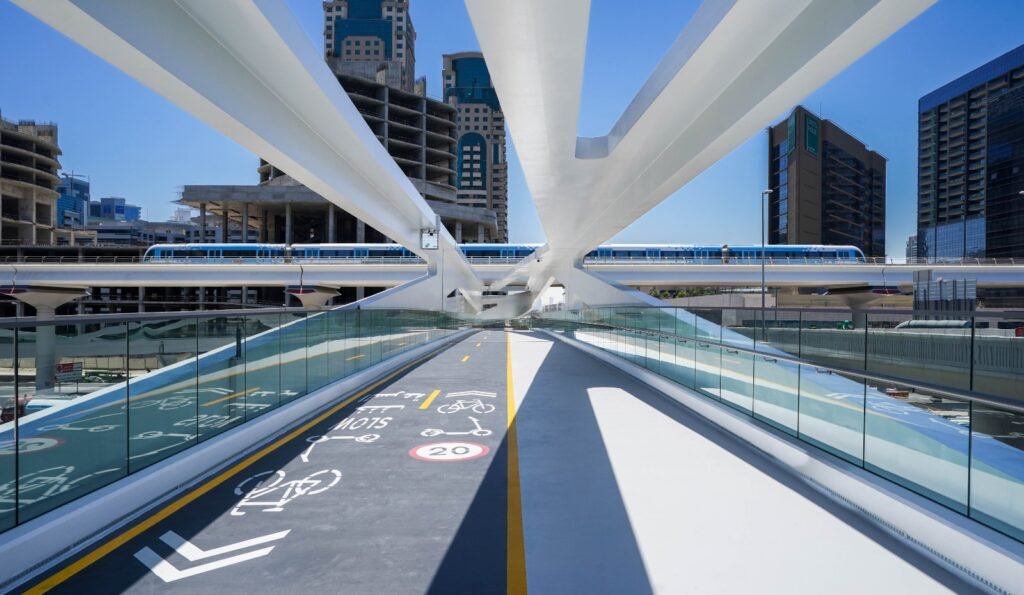
- Sheikh Zayed Road Bridge: Stretching 528 meters, this bridge features an open structural form with interwoven lines symbolizing urban connectivity, giving commuters panoramic views of Dubai’s iconic skyline.
- Al Khail Road Bridge: Spanning 501 meters, its design is inspired by solar light rays, creating a serene, smooth pathway that buffers pedestrians from nearby traffic noise.
Both the Sheikh Zayed Road and Al Khail Road structures are 5 meters wide, dividing space into a 3-meter lane for bicycles or e-scooters and a 2-meter pedestrian walkway. They establish critical links across Al Sufouh, Dubai Hills, Dubai Internet City, Barsha Heights, and Al Barsha 3.
- Al Manara Street Bridge: Located in the Al Quoz Creative Zone, this 45-meter-long and 5.5-meter-wide bridge features a 6-meter vertical clearance above the asphalt and two extensive 210-meter approach ramps, matching the artistic visual identity of the district.
Megaprojects Currently Underway
The expansion continues with three major bridges currently in various stages of construction:
- Sheikh Mohammed bin Zayed Road (at Tunis Street–Al Nahda Intersection): Measuring 554 meters long and 5.6 meters wide with a towering 12.5-meter clearance, it will directly link Muhaisnah 1 with Al Twar and provide accessible routes toward Al Mamzar Beach.
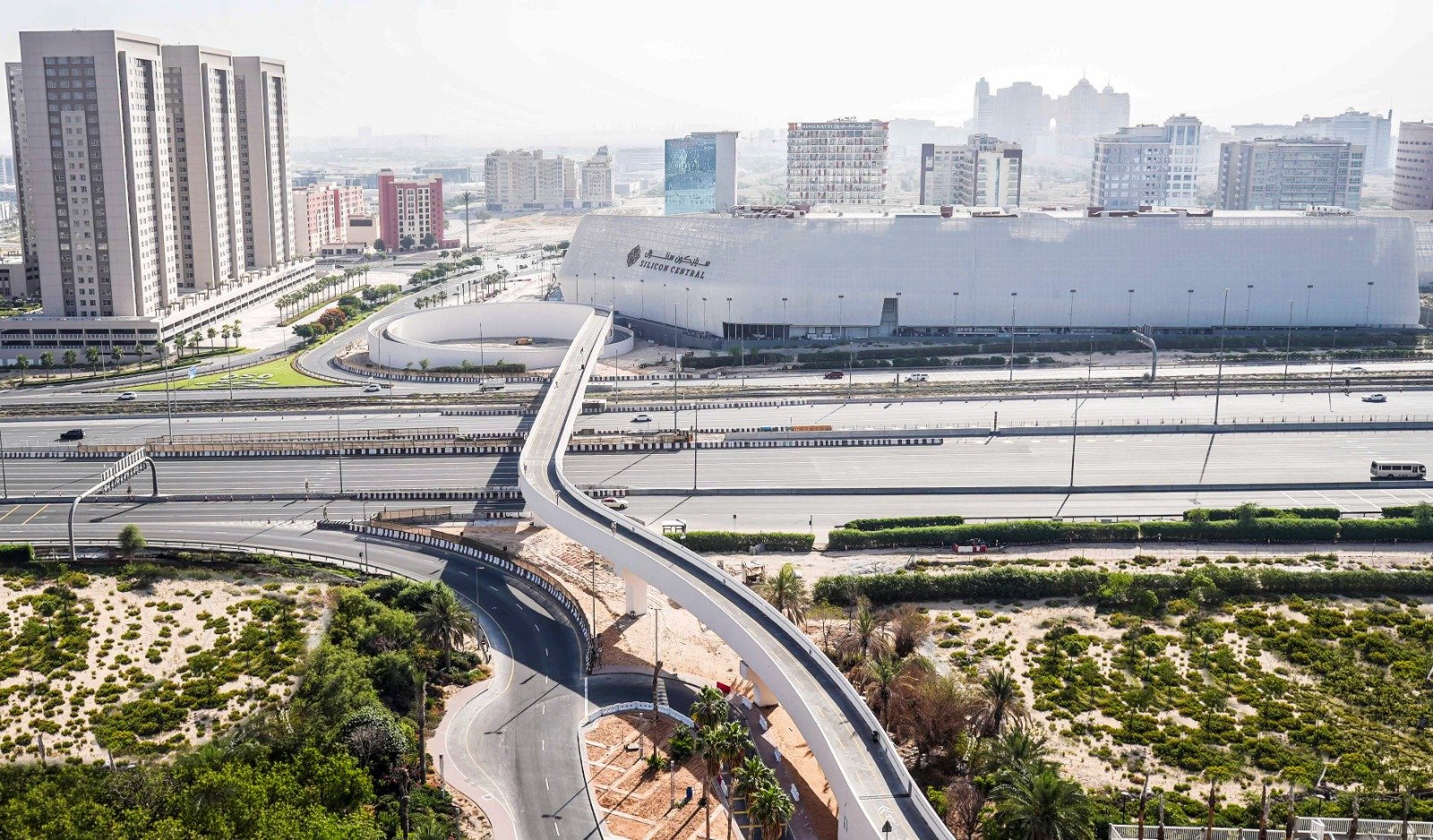
- Dubai–Al Ain Road Crossing: Connecting Wadi Al Safa 4 (Liwan) with Nad Hessa in Dubai Silicon Oasis, this massive bridge extends 730 meters in length and 5.6 meters in width.
- Al Sukook Street Bridge: Part of the Al Mustaqbal Street Development Project in the Central Business District, this 44-meter crossing will feature integrated lifts, staircases, and advanced electromechanical systems. It is slated for completion in the first quarter of 2027.
A 98% Drop in Pedestrian Fatalities
Dubai’s multi-decade investment in safe crossing networks has yielded historic dividends. The total number of pedestrian bridges and tunnels has skyrocketed from just 26 in 2006 to 178 by the close of 2025—a massive 585% increase.
This infrastructure explosion has direct, lifesaving results. The pedestrian fatality rate plummeted by 98% between 2007 and 2025, dropping from 9.5 deaths per 100,000 population to just 0.22. Public adoption is tracking upwards alongside safety; regular pedestrian trips grew by 6% to reach 326 million in 2025, while annual cycling trips jumped 23% to 57.3 million. Today, a staggering 88% of residents express complete satisfaction with Dubai’s pedestrian infrastructure.
Equipped with smart alarm systems, fire-fighting mechanisms, and remote monitoring capabilities, these upcoming structures are built to the highest international safety standards. By bridging communities and supporting first- and last-mile transit journeys, the RTA continues to concrete Dubai’s roadmap toward zero traffic fatalities.