


Executive Takedown Controversy Sparks Legal Warning from IT Ministry as Tech Giant Faces Risk to Immunity Status
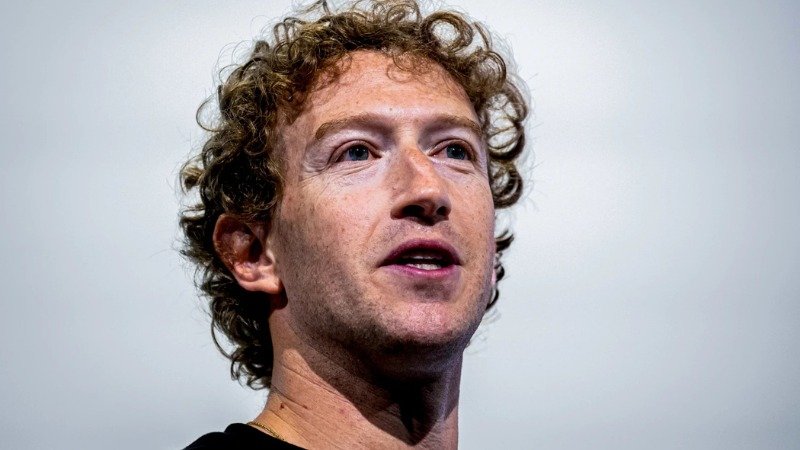
NEW DELHI : Meta Chief Executive Officer Mark Zuckerberg has issued an apology to the Indian government following high-level regulatory talks over platform operational errors, deepfake content, and the presence of Child Sexual Abuse Material (CSAM).

The apology was conveyed during intense bilateral discussions in New Delhi between senior Meta executives, including Chief Global Affairs Officer Joel Kaplan, and top Indian officials. The consultations were triggered by the temporary removal of a video posted on Facebook by Prime Minister Narendra Modi, an error Meta attributed to automated AI content filters.

Government sources revealed that IT Ministry officials delivered a stern warning to Meta’s global delegation. The government indicated that platforms actively curating and boosting content through algorithms may no longer qualify for “safe harbor” legal immunity under Section 79 of the Information Technology Act.


Key Regulatory Developments
- Safe Harbor Warning: The government notified Meta that algorithmic curation and targeted paid distribution remove its pure “intermediary” status under Indian law.
- PM Video Error: Meta acknowledged that Prime Minister Modi’s Facebook video regarding exam paper leak laws was unavailable for roughly five hours due to automated moderation lapses.
- CSAM and Deepfakes: Officials heavily criticized Meta over inadequate moderation regarding synthetic deepfake material and child exploitation content in paid ad networks.
- Paid Amplification: Meta representatives admitted that significant funds were spent to boost specific content categories and expressed regret over these operational decisions.
Content Amplification and Legal Shield at Risk
Indian officials questioned Meta’s position as a neutral intermediary during the 45-minute consultation. Under Section 79 of the IT Act, digital platforms receive legal protection shielding them from liability for user-generated content. However, the IT Ministry argued that because Meta’s recommendation algorithms actively determine distribution feeds and accept payments to boost specific reach, safe harbor protections are open to challenge.
Meta executives clarified that enhanced safeguard protocols have been introduced. High-profile accounts, including those of heads of state and top constitutional figures, now require multi-layered manual reviews prior to automated moderation enforcement.