


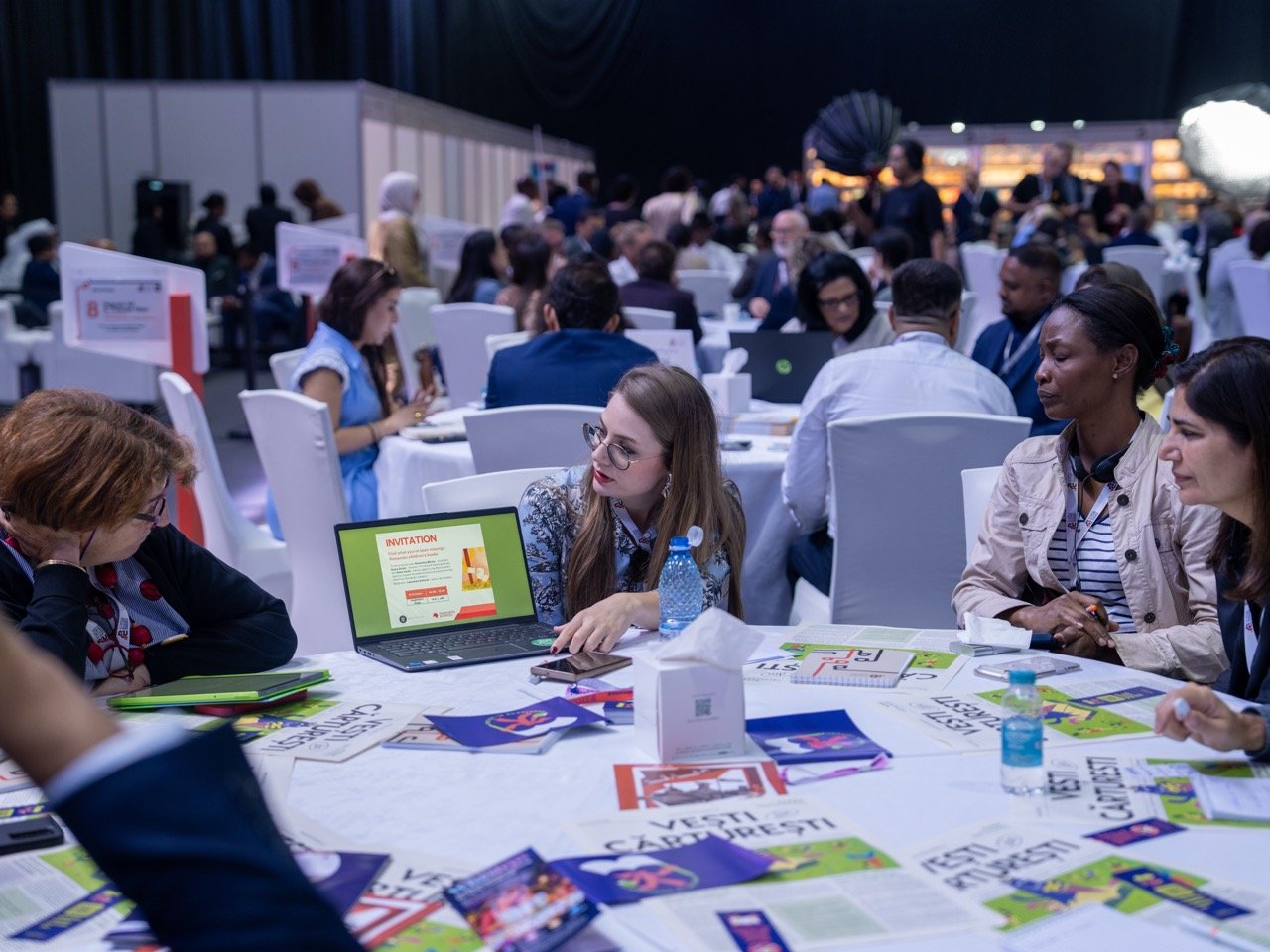
Participants returning for the fifth edition describe how the conference has helped them find distribution partners, explore markets and learn from businesses abroad
Sharjah, September 20, 2026 : A distributor from Lebanon. A publisher from Saudi Arabia. A bookseller from the Philippines. A publishing manager from Jordan. A technology entrepreneur from India. And an international sales executive from the United States. At the Sharjah Booksellers Conference, these encounters can lead far beyond the first conversation.
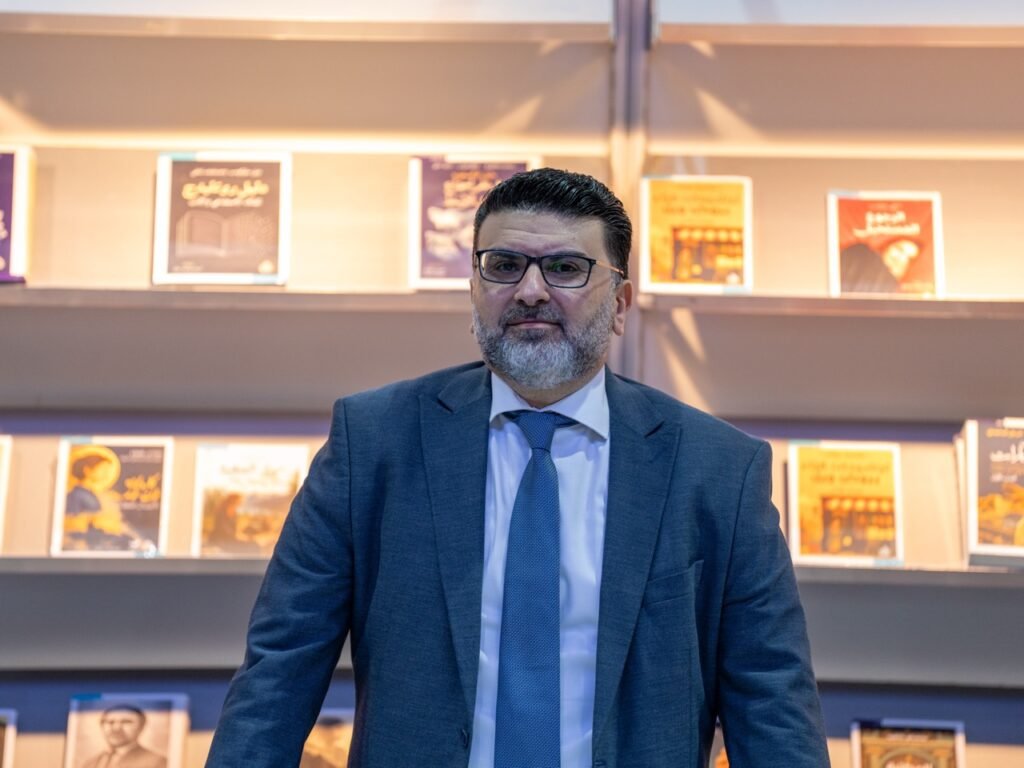
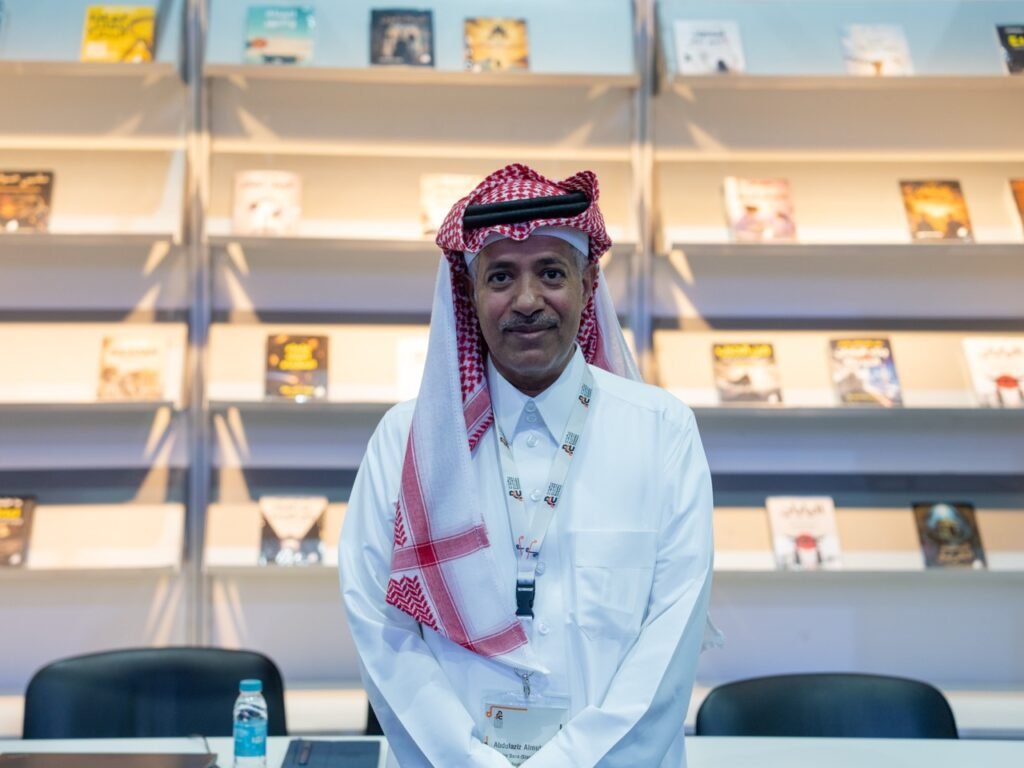
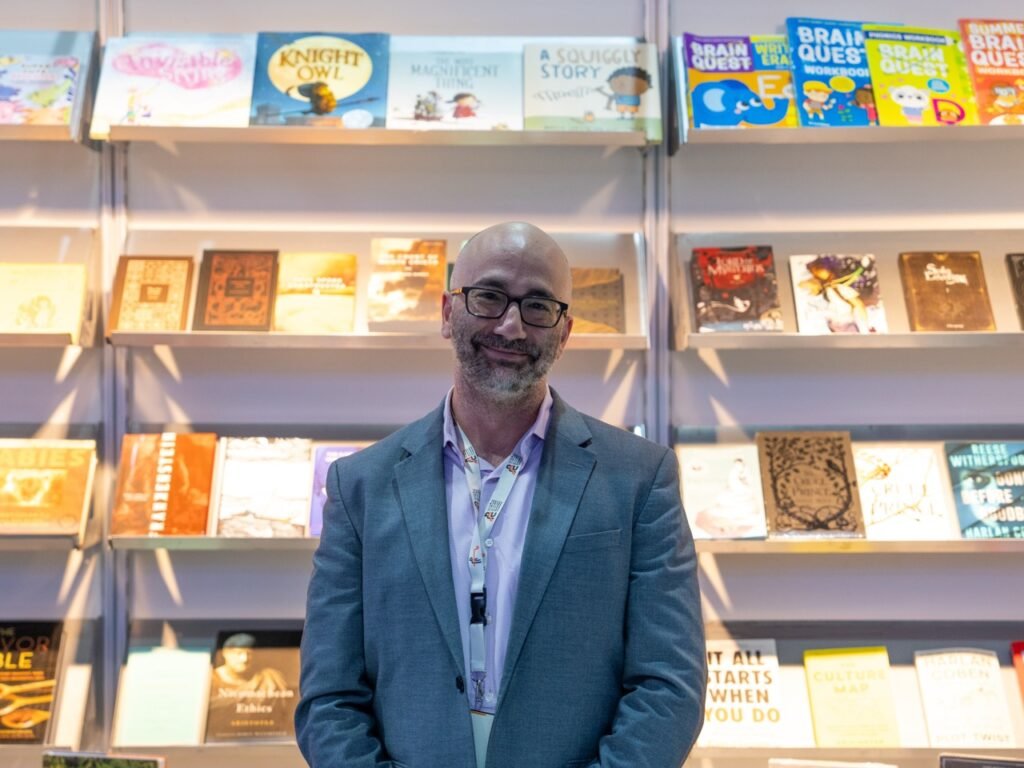
For participants such as Mohammed Hadi, Director and Founder of Dar Al Rafidain in Lebanon; Abdulaziz Al Mutairi, Founder of Gossor Dana for Publishing, Distribution, and Translation House in Saudi Arabia; Shawn Abraham, Vice President of International Sales at Hachette Book Group in the United States; Mones Hattab, Manager of Alef Ba’a Ta’a Publishing and Distribution in Jordan; Chander Shekhar, Founder and CEO of Spring Time Software Solutions in India; and Ehab Mohammed, General Manager of Dar Soual Publishing and Distribution in Lebanon, they are opportunities to compare markets, exchange solutions and explore ways of getting books into the hands of new readers.

Now in its fifth edition, the conference has established a specialised meeting point for booksellers, publishers and distributors from across the region and the world. Over successive editions, participants say it has become a place where industry challenges are discussed through real experience and where ideas tested in one market can spark new possibilities in another.


Organised by the Sharjah Book Authority (SBA), the ongoing fifth edition has brought together professionals from the UAE, the Arab world and international markets. Through keynote addresses, workshops, roundtables and specialised presentations, the programme examines the changing realities of book distribution and retail, from reaching readers across borders to adapting to the growing role of digital channels.
For those who return year after year, the value of the conference lies not only in what happens on stage, but in the conversations that continue around it.
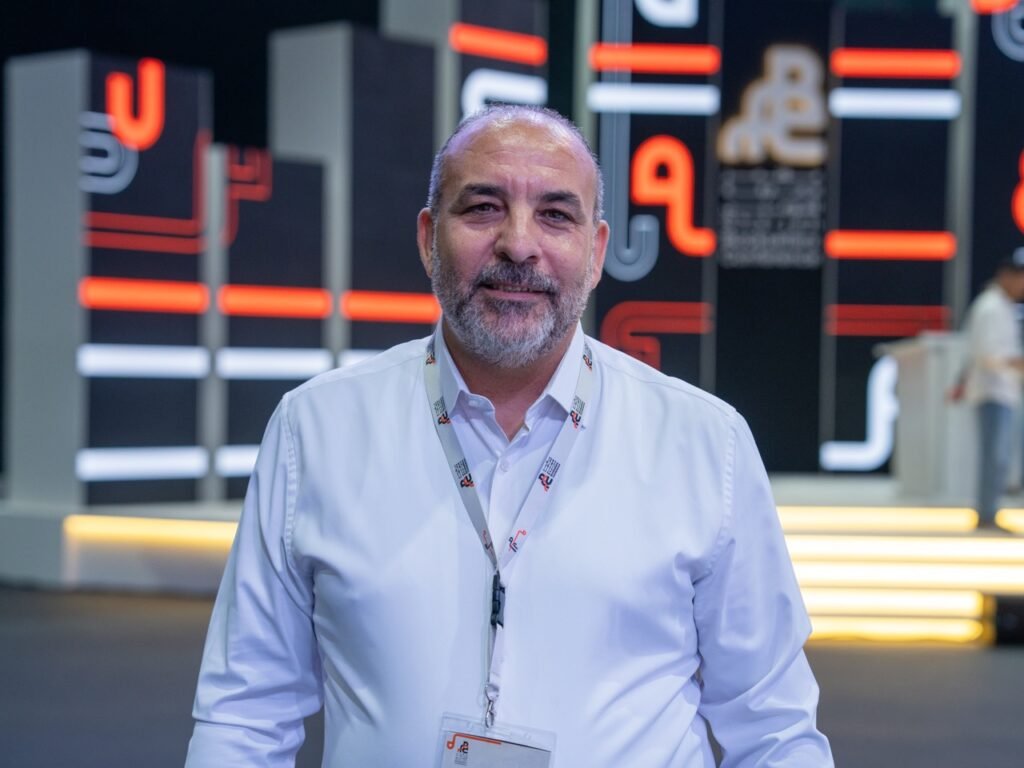
The people who know the market
For Hadi, the range of distributors attending makes meetings possible that would otherwise be difficult to arrange.
“This is an opportunity that rarely presents itself,” he said.
He sees a similar advantage in workshops led by professionals dealing with the trade’s daily demands. In a discussion on the future of Arab book distribution, participants brought first-hand knowledge of the problems under consideration, helping keep proposed solutions grounded in how the market operates.

Abdulaziz Al Mutairi, Founder of Gossor Dana for Publishing, Distribution, and Translation House in Saudi Arabia, had already made contacts in new markets early in his second visit to the conference. He hoped these introductions would lead to deals and a wider readership for his titles.
For Al Mutairi, finding the right distributor allows a publisher to concentrate on publishing while drawing on someone else’s knowledge of sales channels and readers.
“We cannot do everything ourselves. Distributors have the expertise and channels to reach readers wherever they are, saving publishers many steps along the way. This allows me to focus on my work while they take care of distributing my publications,” he said.
Established relationships also benefit from the opportunity to meet. Shawn Abraham of Hachette Book Group in the United States uses the conference to spend time with regional partners and explore business with organizations the group has not previously worked with.
“We meet people here whom we have known for years, as well as others we are meeting for the first time, and we look for new ways to work together,” he said.
A useful answer can come from another country
For Mones Hattab, Manager of Alef Ba’a Ta’a Publishing and Distribution in Jordan, attending for the fourth time, the discussions have developed over successive editions as the sector’s concerns have changed
“Every edition brings something new, and we find solutions to problems that have been raised before. That is what gives the conference its importance,” he said.
The Philippine bookseller’s account was useful because it addressed difficulties his company had already encountered. He also highlighted discussions about establishing a distribution company serving the Arab world, organized around the requirements of Arabic books and the challenges of supplying different markets.
Changes in online retail provide another reason to compare experiences. Chander Shekhar, Founder and CEO of Spring Time Software Solutions in India, said speakers’ accounts helped participants understand how the trade was responding elsewhere.
“Through conferences like this, booksellers can gain a good understanding of how digital platforms are being used in other countries,” he said.
Ehab Mohammed, General Manager of Dar Soual Publishing and Distribution in Lebanon, attends with a particular interest in European distribution practices and the development of sales channels. He looks for approaches that could be adapted to his own market.
“We see how they address distribution challenges and take from those experiences what we can develop and apply in our own markets,” he said. This year, he identified practical uses of social media to help Arabic books reach readers. His interest is specific: understanding what another business has tried and deciding what could be useful at home. Alongside the search for distribution partners described by Hadi and Al Mutairi, it explains what participants want to take away from Sharjah: contacts they can follow up and ideas they can put to work.