

Diplomatic efforts with Oman progress, but Tehran insists the critical energy choke point will stay closed until Washington halts military threats and lifts sanctions.
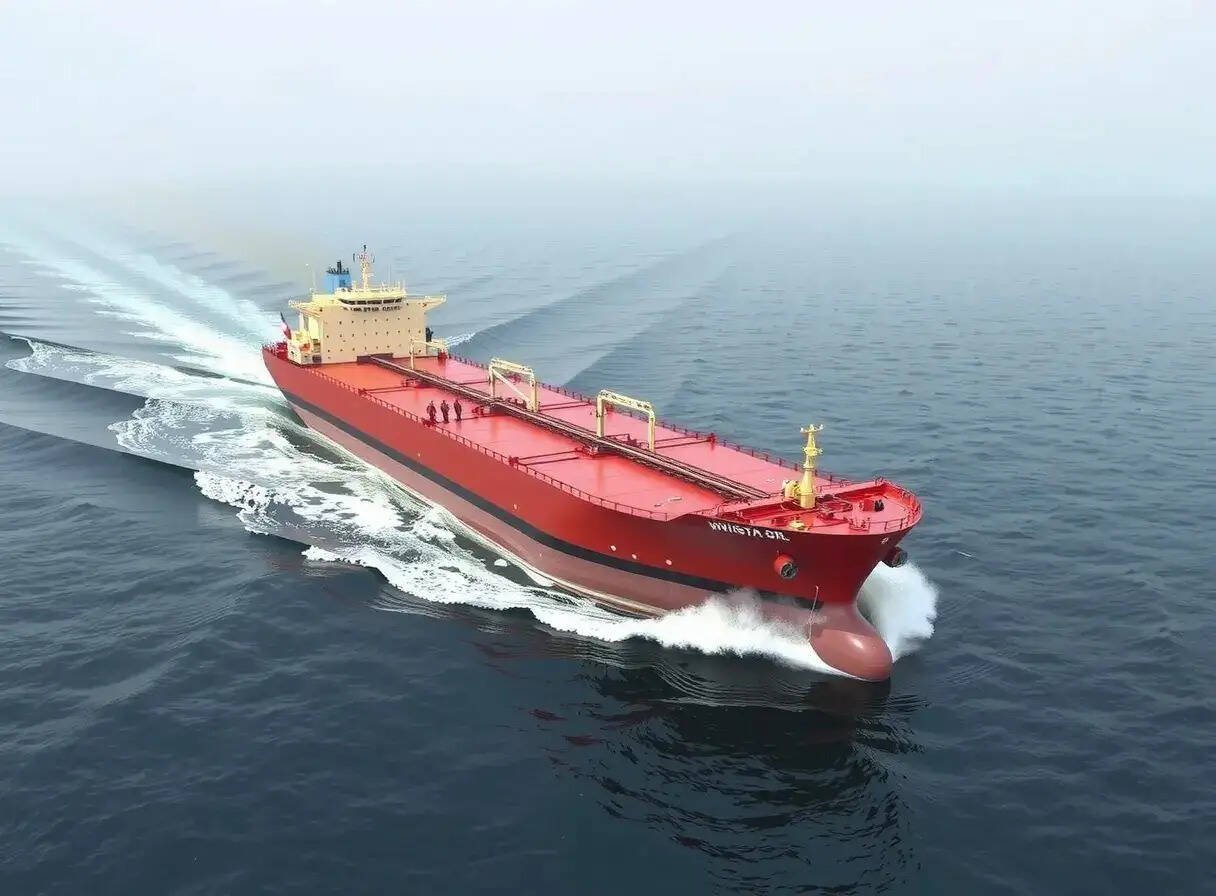
TEHRAN / WASHINGTON:Hopes of a swift reopening for the Strait of Hormuz remained stalled on Wednesday as Iran reiterated that the vital maritime choke point will not be unblocked until the United States releases frozen assets, halts military threats, and commits to a broader regional de-escalation.

Despite ongoing talks mediated by Oman on a new maritime navigation framework, top Iranian officials warned that a technical shipping agreement alone will not restore commercial traffic through the Persian Gulf.
“Technical arrangements with Oman can address maritime navigation routes, but the Strait of Hormuz will not reopen until Washington satisfies Tehran’s political, military, and economic demands,” said Iranian Foreign Minister Abbas Araghchi in statements reported by state media.


Among Tehran’s primary conditions are an immediate end to US military threats, the full withdrawal of naval forces enforcing blockades in the region, the unfreezing of billions of dollars in foreign assets, and compensation for economic and physical damage sustained during months of heightened military confrontation. Washington has maintained that any easing of its naval blockade remains contingent on Iran guaranteeing unimpeded international transit.
US officials acknowledged progress in the Omani-led dialogue but underscored that commercial vessels must be allowed free passage before reciprocal measures can take effect. The diplomatic deadlock comes against the backdrop of fresh attacks on commercial shipping across the Persian Gulf and adjacent waterways. According to maritime intelligence provider Lloyd’s List Intelligence, at least two commercial tankers sustained damage in the Strait of Hormuz over the past fortnight, with several other vessels reporting direct warnings or aggressive intercepts from naval craft.
While commercial transits through the narrow corridor saw a modest uptick—rising from 45 transits in late July to 84 in early August—the figure remains a fraction of the more than 700 weekly ship passages recorded before the outbreak of hostilities. Analysts attribute the slight rise primarily to returning gas carriers and container ships, though insurance premiums and security concerns continue to deter most international fleets.
Energy markets responded swiftly to the continuing uncertainty. Brent crude futures traded higher, gaining momentum as energy traders weighed the prolonged operational risks across a corridor that historically handles nearly one-fifth of global petroleum consumption.
Shipping operators remain on high alert. International maritime authorities have cautioned shipmasters against navigating the waterway without clear security guarantees, pointing to persistent risks from floating sea mines, drone strikes, and boarding operations.

Regional diplomats continue to view Muscat as the primary bridge for de-escalation. However, with both Washington and Tehran holding firm to their respective prerequisites, industry observers expect volatile global energy markets and supply chain friction to persist until a formal bilateral consensus is reached.