

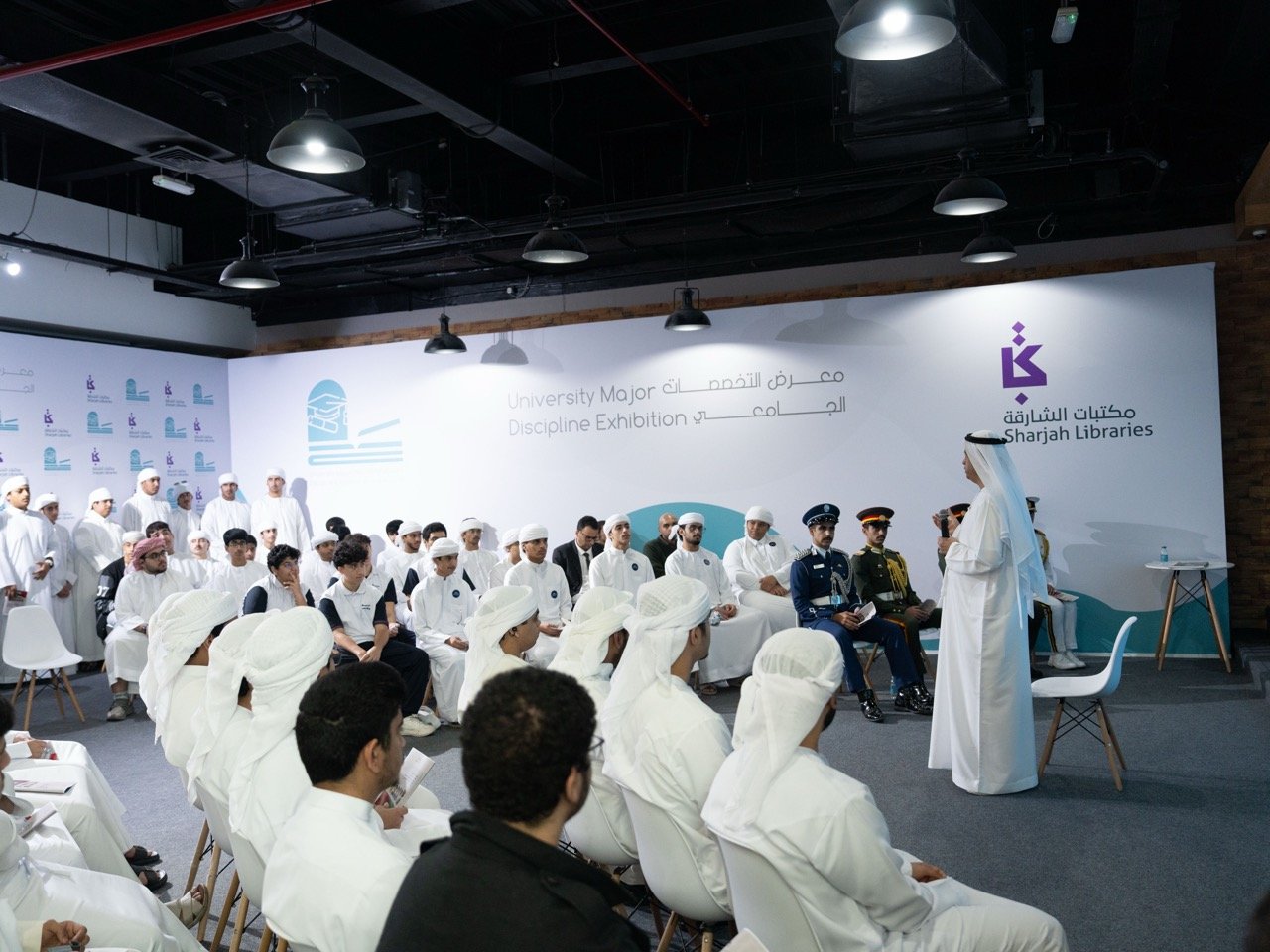
Grade 12 students are using direct conversations, practical guidance and new tools to turn questions about university and careers into their next steps
Sharjah, 28 September 2026 : For Hamad Ali Al Zaabi, choosing what to study after school involves more than deciding on a university major. It also means working out how admission timelines, accommodation and other practical considerations will fit into the next stage of his life.
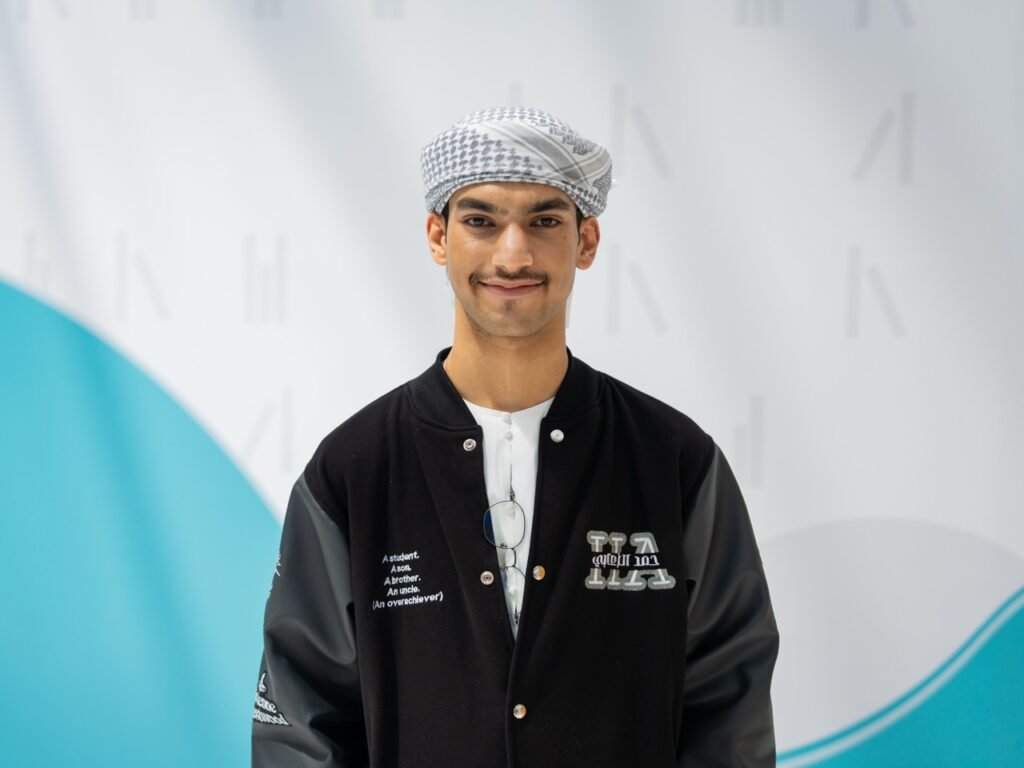
The Emirati Grade 12 student is considering becoming a pilot, with medicine and psychology among his other interests. At Sharjah Public Libraries’ eighth University Majors Exhibition, he was able to ask university representatives questions specific to his circumstances.
Hamad wanted to understand how the application process for a university would fit around his upcoming national service. He learned that he could complete entrance examinations in mathematics, English and physics before beginning his service and take the interview afterwards.


“That made it much simpler for me to understand what I will be doing next,” he said.
Hamad also explored student accommodation and medicine and psychology programmes with other institutions. Speaking directly to representatives, he said, provided answers to questions that are not always addressed online.
“On a website, we can’t always find the tiny details for our questions,” he said.
Hamad’s experience shows how direct access to university representatives can help students turn broad questions into practical next steps. Other Grade 12 students arrived at the exhibition with varying levels of certainty about what they wanted to pursue.

Testing an idea before making the choice
Fares Tounsi from Tunisia had several possibilities in mind, including mechanical engineering and fields connected to business and finance. What he needed was a clearer sense of how those options suited him and what different universities could offer.

One tool that helped was “Miqyas”, an interactive assessment available on touchscreens at the exhibition. Students answer questions about their skills and interests, with the assessment then suggesting academic majors and career options that could correspond with them.
For Fares, the assessment reinforced rather than redirected his thinking. “I wasn’t sure about mechanical engineering, and Miqyas helped me develop my thinking about it in more depth,” he said.
Having multiple universities in one place also allowed Fares to compare institutions directly. “It shows me that I have options,” he said. “There are multiple universities here, and they show me the advantages of entering their university, so that gives me an idea for the future.”
His next step is not to rush into a decision, but to take what he has learned away with him and weigh the alternatives. “I’ve asked everything I wanted to ask,” he said. “I’m going to go home, think about all the universities and compare them.”
That process of exploration reflects a wider emphasis at this year’s exhibition: encouraging students to consider their own interests, abilities and aspirations before connecting them with academic and professional possibilities, rather than making a choice simply because a particular field is popular.
Looking beyond admission to the career ahead
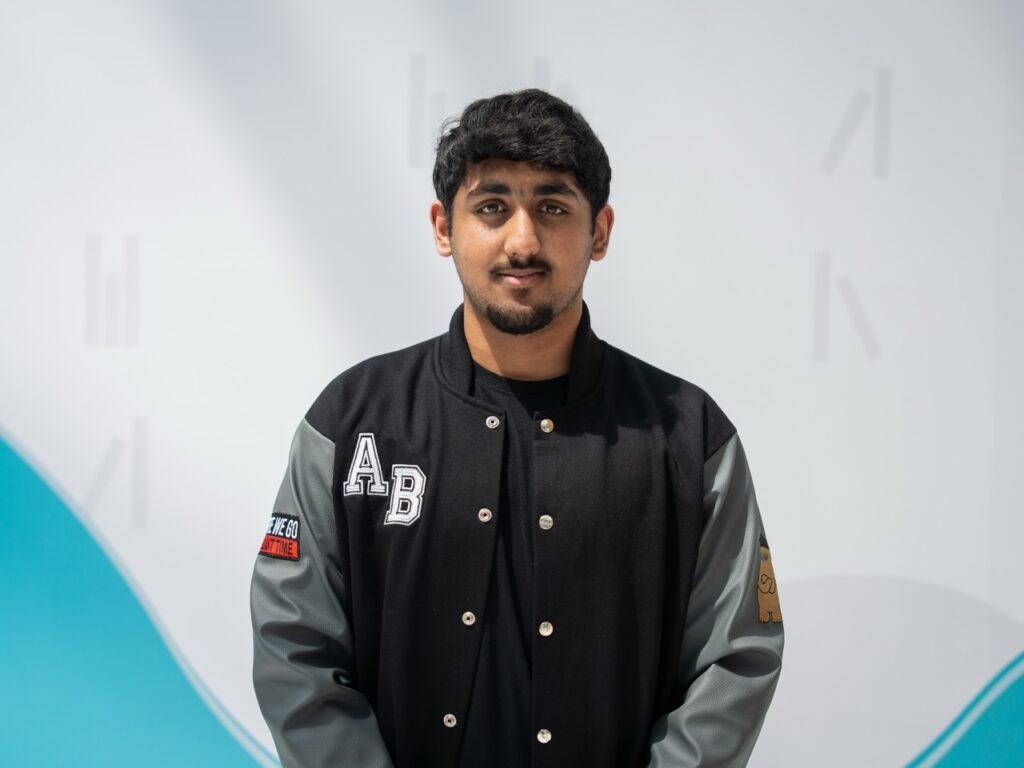
For Abdul Basit from Pakistan, the direction is clearer. He plans to study for a Bachelor of Business Administration, and the exhibition provided practical information on admission requirements, including IELTS, an English-language proficiency test, and the minimum school-leaving grades students may need.
At the same time, Abdul sees particular value in the exhibition for classmates who have not yet settled on a field.
“It can help students decide on their major if they are thinking about changing direction,” he said. “They may discover different interests and find new majors.”
Abdul is also looking beyond university admission to how technology and artificial intelligence could change the workplace and the skills employers will seek by the time he graduates. Alongside business, he has considered dentistry as he weighs his longer-term options.

That ability to turn broad questions into practical next steps is central to the exhibition, being held at Sharjah Book Authority headquarters until September 29 under the theme ‘Path to the Future: Where Ambition Meets Achievement’.
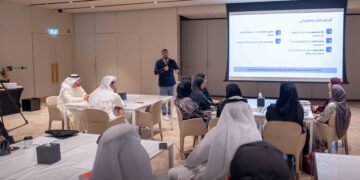
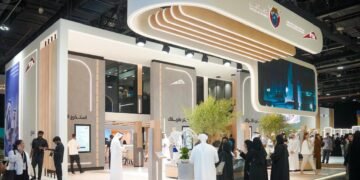
Bringing together 23 universities and academic and institutional entities, alongside 36 sessions and workshops, the exhibition gives students access to information on majors, admissions, scholarships, skills and career pathways at a point when many are preparing to make some of their first major academic decisions.
Hamad, Fares and Abdul have different ambitions, but each used the exhibition to ask specific questions, compare alternatives and better understand the decisions ahead.
For Fares, that is also the advice he would give other students facing the same decision.
“Go to the universities, attend the exhibition, and ask all the questions you have,” he said.
Greater clarity does not always mean leaving with a final answer. Sometimes, it begins with knowing the right questions to ask.