



Subheadline: Washington’s aggressive diplomatic push collides with Jerusalem’s insistence on military deterrence, exposing a rare public fracture between the close allies.
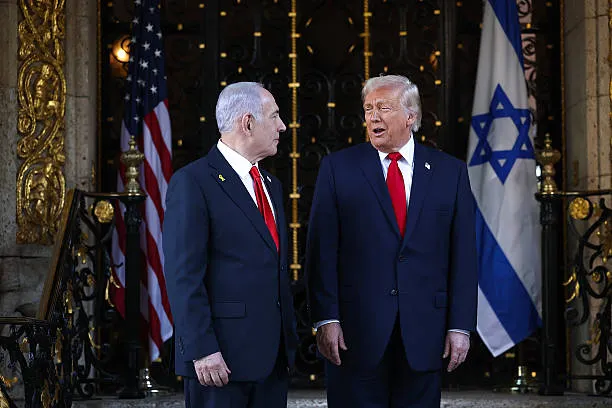
DUBAI — A fragile suspension of military operations between Iran and Israel has laid bare an escalating strategic rift between US President Donald Trump and Israeli Prime Minister Benjamin Netanyahu. While Washington aggressively pursues a diplomatic resolution with Tehran, Jerusalem continues to prioritize military pressure, underscoring a widening disconnect over regional security calculations.
The friction intensified following a series of rapid military exchanges. After an Israeli operation targeting Hezbollah assets in Beirut triggered a retaliatory ballistic missile strike from Tehran, President Trump personally intervened. In a high-stakes phone call, Trump reportedly urged Netanyahu to break the cycle of violence, warning that immediate retaliation could jeopardize highly sensitive, ongoing negotiations between the US and Iran.

According to diplomatic sources, the US administration explicitly informed the Israeli leader that Washington did not support or authorize further strikes. Despite the direct appeal, the Israeli Air Force proceeded with targeted operations against military installations inside western and central Iran hours later, drawing subsequent missile responses from Tehran before a temporary halt was acknowledged by both regional powers.


“He won’t have any choice. I call the shots. I call all the shots. He doesn’t call the shots.”
— US President Donald Trump, speaking to the Financial Times regarding Prime Minister Netanyahu’s stance on a potential US-Iran accord.
Divergent Paths: Diplomacy vs. Deterrence
The public discord reflects fundamentally opposing viewpoints on how to neutralize threats from Tehran. The Trump administration remains focused on finalizing a comprehensive diplomatic framework that halts Iranian nuclear enrichment and stabilizes major trade routes, including the Strait of Hormuz. Trump has maintained public confidence that the overarching negotiations will survive the current friction, asserting that a viable agreement will succeed on its own merits regardless of transient tactical escalations.
Conversely, the political establishment in Jerusalem views an imminent US-Iran pact with deep skepticism. Israeli security analysts and defense officials express concern that a premature diplomatic lifting of sanctions could restrict Israel’s operational freedom to counter regional proxies, including Hezbollah in Lebanon and the Houthi movement in Yemen.

Domestic Imperives and Strategic Risks
The underlying tensions are further complicated by immediate domestic political realities for both leaders:
- The United States: President Trump is highly motivated to secure a defining foreign policy breakthrough ahead of the upcoming midterm elections, viewing a stabilized Middle East as a critical domestic asset.
- Israel: Prime Minister Netanyahu faces a highly competitive re-election campaign. Demonstrating strategic independence from Washington appeals directly to his core political base, signaling that Israel will not compromise its core security paradigm for foreign diplomatic priorities.
While former senior Israeli security officials suggest that keeping military pressure active prevents Iran from setting a new status quo, international intelligence analysts warn of systemic dangers. A prolonged miscalculation could inadvertently trigger an unrestricted regional conflict, drawing in multiple proxy fronts and forcing Israel into an increasingly unsustainable position between its primary military objectives and its relationship with its most critical Western ally.
For the immediate window, a tense operational pause remains in effect. Iran has indicated a temporary suspension of hostilities but warned of severe responses to subsequent provocations, while Netanyahu has reiterated Israel’s sovereign right to self-defense if fired upon. The long-term trajectory of Middle Eastern stability will depend heavily on whether this friction represents a temporary tactical disagreement or a fundamental, enduring structural rift between Washington and Jerusalem.