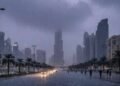




























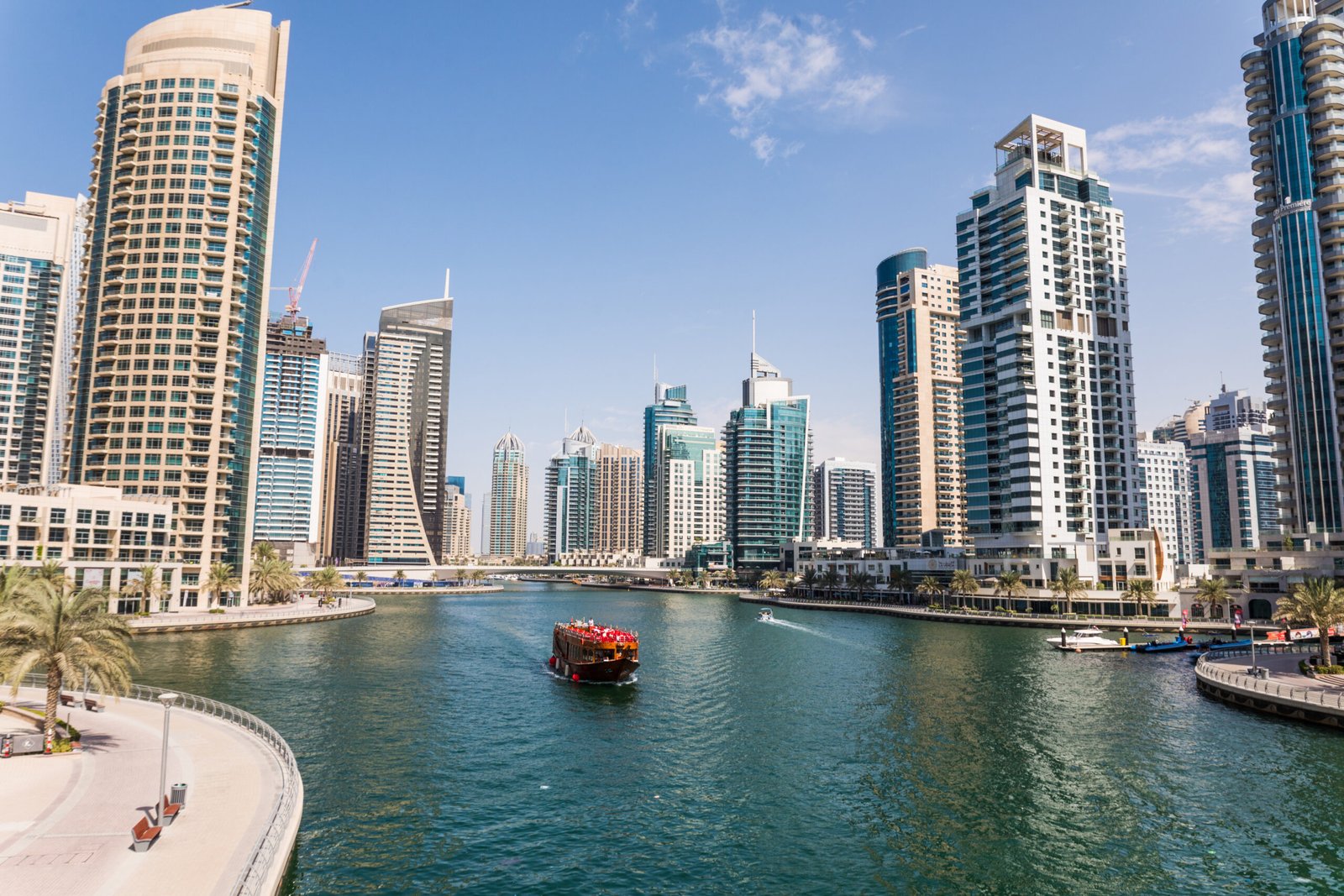
Dubai’s transformation story is far from complete. Known globally for turning ambitious ideas into reality, the emirate is now entering another defining phase, driven by a series of megaprojects that will reshape its skyline, economy, and urban lifestyle.

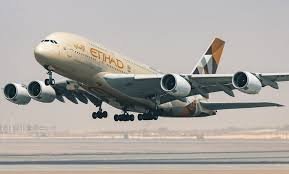
Among the most significant is the expansion of Al Maktoum International Airport, envisioned to become the world’s largest aviation hub with a capacity of 260 million passengers annually. Designed as the heart of Dubai South, the airport is expected to anchor an “aerotropolis” of residential, commercial, and logistics developments, with completion targeted around 2050.
Vertical architecture continues to dominate Dubai’s ambitions. Burj Azizi, rising to 725 metres, is set to rank among the tallest towers globally, combining luxury residences, hospitality, entertainment, and record-breaking observation decks. Meanwhile, the long-anticipated Dubai Creek Tower, currently undergoing redesign, is expected to move forward with tendering planned in early 2026.
Infrastructure innovation is also taking centre stage. Projects such as the Dubai Loop, an underground high-capacity transport system under technical review, and The Future Loop, an air-conditioned walking corridor linking major districts, signal Dubai’s push toward smarter, climate-responsive mobility.
On the lifestyle front, developments like Dubai Square, Ghaf Woods, Palm Jebel Ali, and World Islands reflect a focus on sustainable living, experiential tourism, and waterfront expansion. Cultural investments are equally notable, with the floating Dubai Museum of Art (DUMA) set to become a landmark for global art and architecture.
With wellness-driven projects such as Six Senses Dubai Marina and Therme Dubai scheduled to open by 2028, Dubai’s next growth cycle blends scale with experience, reinforcing its status as a global city constantly under reinvention.