


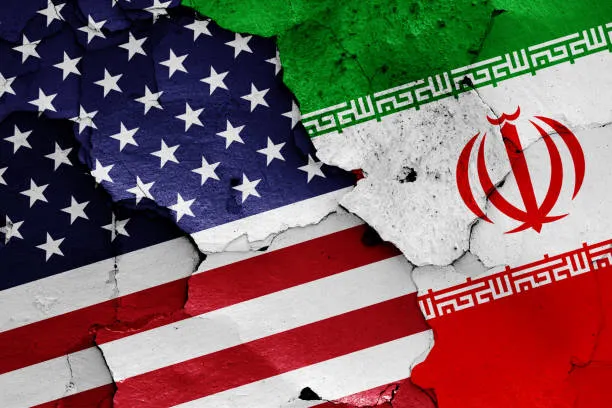
Historic Peace Accord Brokered by Mediators Set for Official Signing on June 19 in Switzerland

ISLAMABAD / WASHINGTON — In a major geopolitical breakthrough, the United States and Iran have reached a historic agreement to permanently end their monthslong military conflict and reopen the strategic Strait of Hormuz. The landmark ceasefire, announced on Sunday, June 14, 2026, promises immediate relief to the global economy and marks a critical step toward de-escalating tensions across the Middle East.

Key mediator Pakistan announced that the formal memorandum of understanding (MoU) will be signed on Friday, June 19, in Switzerland. U.S. President Donald Trump confirmed the completion of the deal via social media, declaring that he has authorized the immediate removal of the U.S. naval blockade on Iranian ports. “Congratulations to all! I hereby fully authorize the toll-free opening of the Strait of Hormuz… Ships of the World, start your engines. Let the oil flow!” Trump wrote.


The agreement guarantees the immediate and permanent termination of military operations on all fronts, including hostilities in Lebanon. Iranian Deputy Foreign Minister Kazem Gharibabadi confirmed the breakthrough on state television, noting that the text was finalized following over 14 hours of intensive talks in Tehran facilitated by Qatari and Pakistani mediators. However, Gharibabadi emphasized that Iran will wait until the official signing on Friday before commencing implementation.
The effective closure of the Strait of Hormuz—a narrow waterway through which nearly 20% of the world’s petroleum transit passes—had severely disrupted international energy markets. Following the announcement, global crude oil prices reacted sharply, falling into the $80–81 per barrel range, triggering a wave of positive sentiment across global stock markets.
While the immediate ceasefire halts active warfare, highly contentious issues—including the total dismantling of Iran’s nuclear enrichment capabilities and the structured relief of economic sanctions—are scheduled to be addressed during a 60-day technical negotiation period immediately following Friday’s formal signing.