






































Dubai: Chinese-made air defence systems are once again under global scrutiny after reports that Iran’s Chinese-supplied systems failed to intercept recent aerial attacks by the United States and Israel.

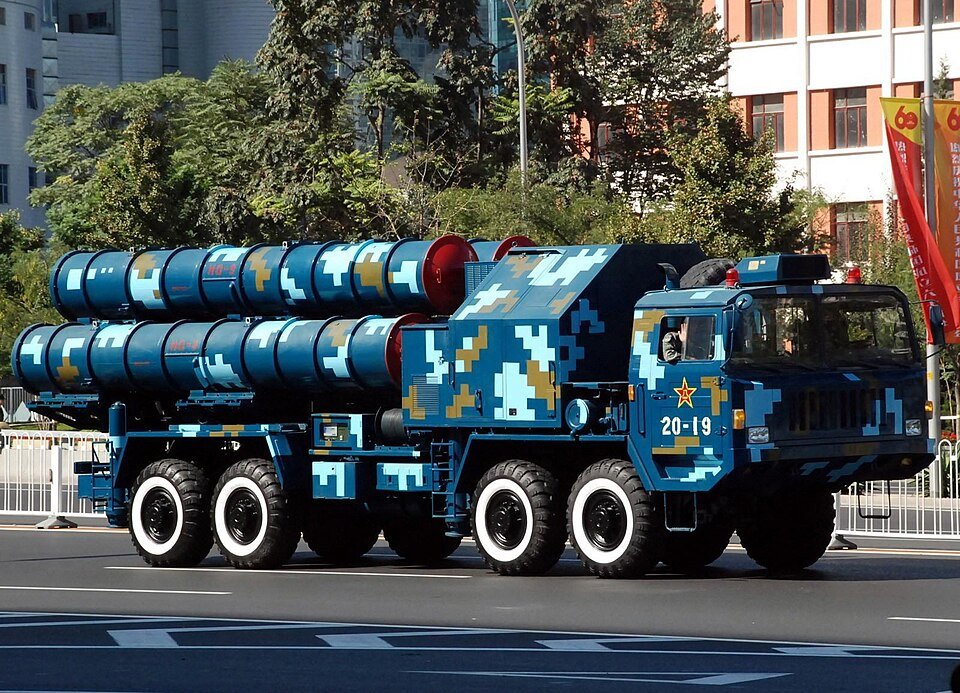
According to defence analysts, Iran’s air defence network—largely built around the Chinese HQ-9B surface-to-air missile system and locally modified systems derived from older Soviet-era technologies—was unable to effectively counter advanced stealth aircraft, cruise missiles and drones used in the attacks.
Iran had reportedly purchased the HQ-9B systems from China in July 2025 to strengthen protection around key strategic locations, including nuclear facilities in Tehran and Natanz. However, these systems reportedly failed to prevent strikes on several high-value targets, raising questions about the effectiveness of the Chinese technology.
This marks the third instance in recent years where Chinese defence systems have reportedly struggled in real combat situations.
Earlier, during India’s “Operation Sindoor” launched on May 7, 2025, following the Pahalgam terror attack, Pakistan’s Chinese-made radar systems reportedly failed to detect low-flying Indian BrahMos missiles, which flew at extremely low altitudes of around 10 metres. Pakistan’s HQ-9B missile defence systems were also unable to intercept the missiles, while several Chinese-supplied missiles reportedly failed to reach their intended targets.
Another setback reportedly occurred in January 2026 during the U.S. military’s “Operation Absolute Resolve” in Venezuela. Reports suggested that Venezuela’s Chinese-made radar systems were unable to detect or respond effectively to American aircraft. The operation reportedly culminated in U.S. forces entering the country and abducting President Nicolás Maduro, highlighting serious vulnerabilities in the country’s air defence network.
Defence experts say investigations have revealed software flaws and engine issues in some Chinese missile systems. Analysts also point to weaknesses in China’s ability to integrate multiple air defence components into a unified and coordinated network.
China is currently the world’s third-largest arms exporter, but repeated reports of performance issues in real battlefield conditions could affect its reputation in the global defence market.
With the gap between advertised capabilities and battlefield performance coming under scrutiny, several countries are now reportedly reassessing their defence procurement strategies and evaluating alternative systems for their security needs.