








































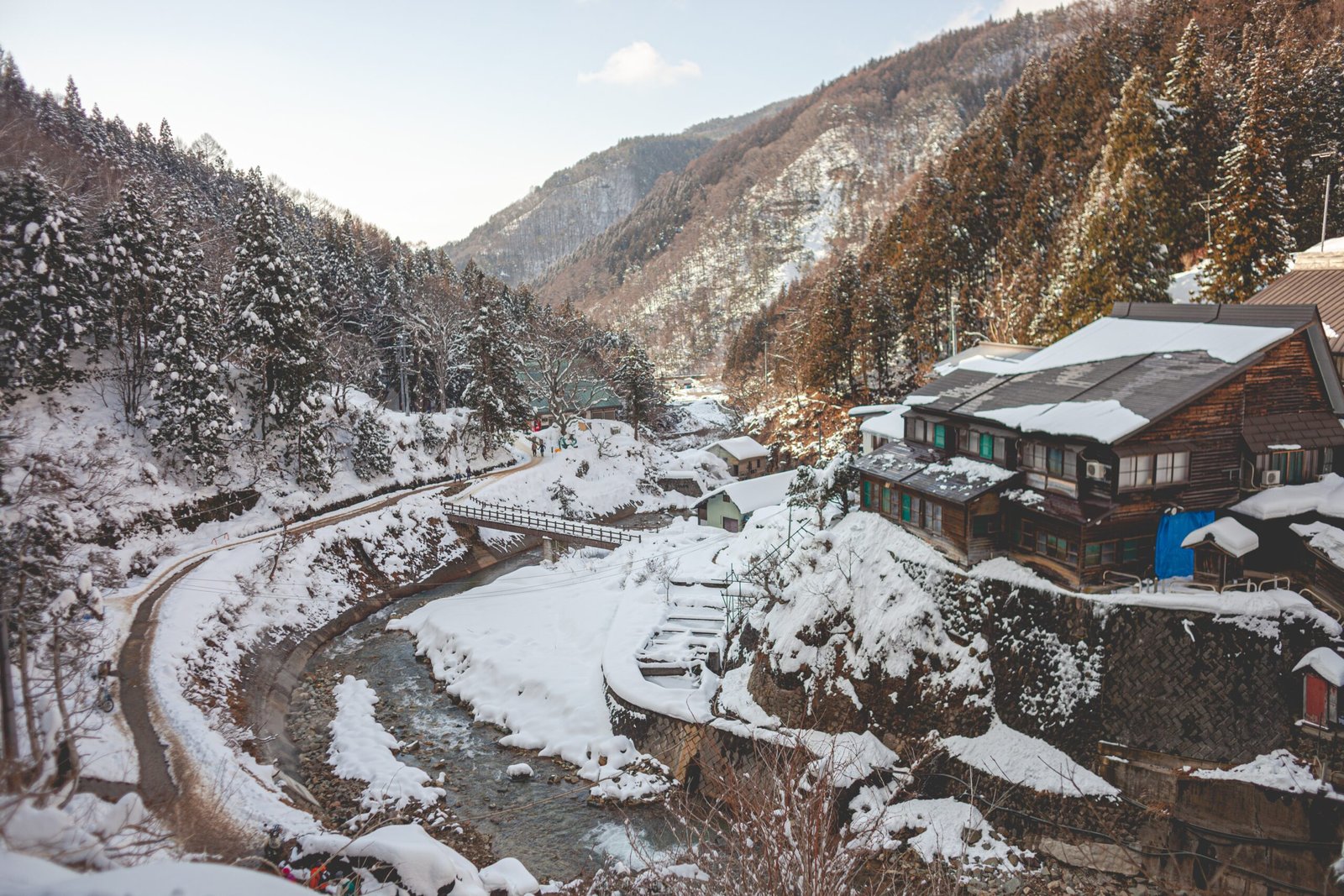
The continued absence of winter rain and snowfall has emerged as a serious concern for Uttarakhand’s agriculture and horticulture sectors, with apple cultivation in higher-altitude regions facing significant risk, officials and experts have warned.

Apple trees require 1,000 to 1,500 chilling hours at temperatures between 0°C and 7°C to complete their dormancy cycle. The lack of snowfall has kept ground temperatures higher than usual, disrupting this natural process. Experts say the impact could include weak flowering, poor fruit setting, smaller fruit size, and duller colour—factors that directly reduce market value.
According to data from the India Meteorological Department (IMD), December rainfall in Uttarakhand has remained weak over the past five years, with normal or above-normal precipitation recorded only once. The state recorded zero rainfall between November 1, 2025, and January 13, 2026, a sharp deviation from seasonal norms. C.S. Tomar, Director of Dehradun’s Meteorological Centre, attributed the situation to weak western disturbances, which typically bring winter rain and snow to the Himalayan region.
Agriculture and Horticulture Minister Ganesh Joshi said initial assessments indicate that around 15 per cent of seasonal crops have already been affected. Farmers in the Harsil belt of Uttarkashi district, a major apple-producing area, fear a steep decline in production if weather conditions fail to improve soon.
In Dharali village, which was hit by flash floods and landslides last August, families had hoped apple cultivation would aid economic recovery. “With no rain or snowfall since November, the situation looks grim,” said Gram Pradhan Ajay Negi. Local growers have also warned that the prolonged dry spell could lead to fungal infections and pest outbreaks in the coming months.
The impact extends beyond apples. In Chamoli district, crops such as wheat, lentil, and mustard have suffered due to moisture deficiency and frost-related damage, officials said. Experts warn that inadequate winter snow could reduce deep soil moisture, increasing the risk of tree dehydration and premature fruit drop during summer.
The IMD has forecast very light rain or snowfall at isolated high-altitude locations between January 16 and 21, offering limited hope. Meanwhile, farmers across the state await relief measures and improved weather to prevent a deeper agricultural crisis.