


- Early-stage uterine cancer was diagnosed following an investigation into persistent heavy bleeding, leading doctors to pursue a fertility-preserving hormonal treatment plan.
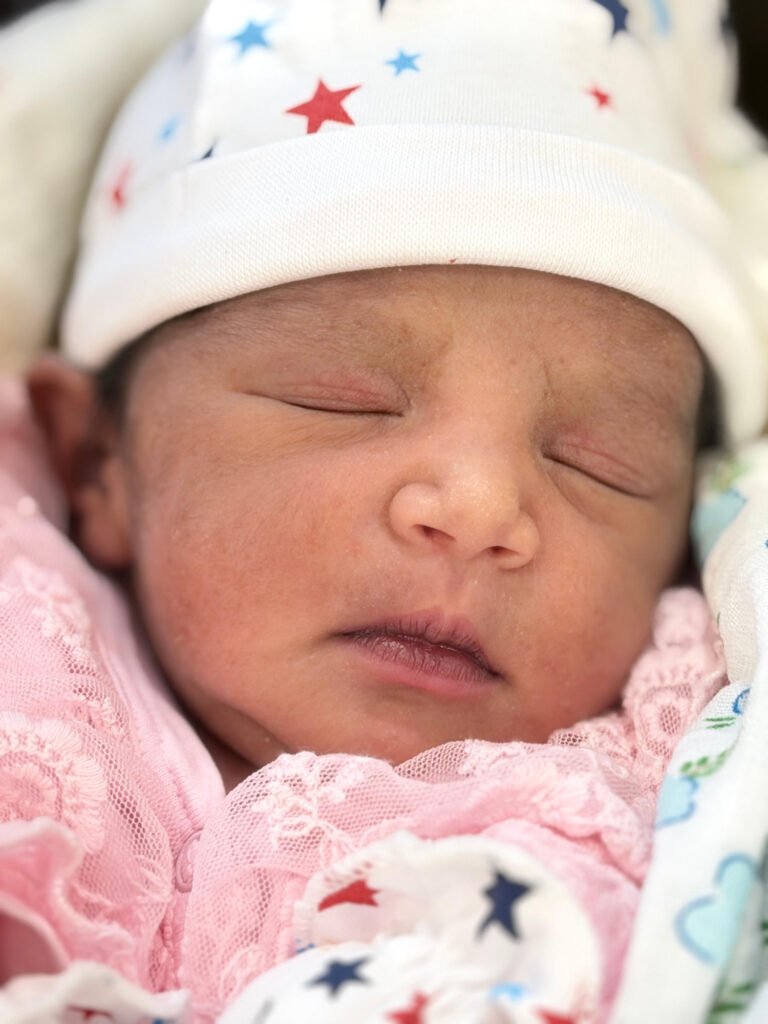
- After a year of the hormonal treatment, the patient conceived naturally and delivered a healthy baby girl, following complete remission at Medcare.
Dubai – July 23, 2026: A year ago, 24-year-old Shruthy felt she was embarking on a new chapter in her life. Like many newly married women, she was filled with excitement and dreams of starting her own family. However, persistent heavy bleeding brought her an unexpected diagnosis, early-stage uterine cancer, a condition typically found in post-menopausal women. What ensued was not merely a medical journey, but an emotional struggle between fear and hope for the young couple, a battle that would ultimately reshape her future.

When Shruthy initially sought treatment at Medcare Royal Speciality Hospital in Al Qusais, her symptoms had already led to significant anaemia. Preliminary investigations indicated what seemed to be a typical uterine polyp, measuring 2.2 by 1.7 centimetres, which was removed using a minimally invasive hysteroscopic procedure. However, additional laboratory tests later confirmed early stage of endometrial cancer, a rare and life-changing diagnosis for a woman in her twenties.
“When I received the diagnosis, it felt like everything I had planned for in my life had disappeared,” Shruthy recalls her experience. “My biggest fear was not only the diagnosis itself but the possibility that I might never be able to have children, as I knew that treatment for this type of cancer often involves removing the uterus.”


In the UAE, uterine cancer is the fourth most common cancer affecting women and is the predominant malignancy of the female reproductive system. It accounts for around 5 per cent to 6 per cent of all cancer diagnoses in women locally, with the highest rates usually occurring in those aged 60 to 69 years[1]. For a lot of women, dealing with this type of cancer typically results in a hysterectomy, which irrevocably ends any possibility of conceiving. However, for Shruthy, the early detection of the disease presented an alternative option. A multidisciplinary team of specialists at Medcare Royal Speciality Hospital reviewed her case and made a critical decision to treat the cancer while preserving her fertility. “Because the cancer was detected early, we were able to consider a conservative, fertility-preserving hormonal therapy,” explains Dr. Rajalakshmi Srinivasan, Specialist in Obstetrics and Gynaecology at Medcare Royal Speciality Hospital. “This is not always possible, but in carefully selected cases, it can change the entire trajectory of a patient’s life.”
Within a year of her hormonal therapy, the patient conceived naturally and gave birth to a healthy baby girl. Commenting on the condition, Dr. Rajalakshmi said, “Endometrial cancer develops in the lining of the uterus and is one of the most common gynaecological cancers worldwide. However, it is typically diagnosed in women after menopause and is relatively uncommon in women in their twenties. When detected early, as in this case, the chances of successful treatment are significantly improved.”
“Further investigations, which included PET imaging, specialised pathology studies, and genetic testing, confirmed the diagnosis of a well-differentiated, low-grade endometrial carcinoma confined to the uterus, with no evidence of spread to lymph nodes or other organs. Doctors also noted a significant family history of cancer, including relatives affected by advanced uterine and breast cancer,” she added.
Dr. Rajalakshmi remarked, “It was fortunate that this cancer was detected at an early stage, before it had spread beyond the lining of the uterus. This gave us an opportunity to consider treatment options that would not only address the cancer but also preserve the patient’s fertility.” Shruthy underwent a carefully monitored treatment plan combining hormone therapy with a hormone-releasing intrauterine device. Over the next six months, she underwent regular imaging, hysteroscopic evaluations, and laboratory testing to ensure the cancer was responding to treatment.
Just two months after being declared cancer-free, Shruthy conceived naturally. Her pregnancy progressed smoothly, and at 38 weeks, she gave birth to a healthy baby girl weighing 2.8 kilogrammes, a milestone that had once felt out of reach for Shruthy. “Holding my daughter for the first time was overwhelming,” she says. “There was a time I thought I might lose both my health and my dream of becoming a mother. Today, I have both.”
The patient tolerated the hormonal treatment well, experiencing only temporary side effects. After six months of treatment, follow-up investigations including ultrasound, MRI, and a hysteroscopy procedure confirmed complete regression of the disease. She conceived naturally just two months after completing treatment. Detailed pathology analysis confirmed the absence of cancerous or pre-cancerous changes.
Dr. Rajalakshmi added, “In carefully selected patients with early-stage disease, fertility-preserving hormonal treatment can be both safe and effective. While hysterectomy remains the standard treatment for many women with endometrial cancer, advances in diagnosis, monitoring, and hormonal therapy are creating new possibilities for younger patients who wish to preserve their reproductive potential. Most importantly, it highlights why persistent abnormal bleeding should never be ignored, regardless of age. Early diagnosis can make a profound difference not only in treating cancer but also in preserving future quality of life.”

Today, both the mother and daughter are progressing well and staying healthy. According to the treating team, the patient remains in remission and continues regular follow-up monitoring, marking a successful outcome that demonstrates how early diagnosis, personalised care, and multidisciplinary collaboration can help patients overcome cancer without giving up their hopes for the future.
[1] Gynecologic Malignancies in the UAE | Springer Nature Link