




























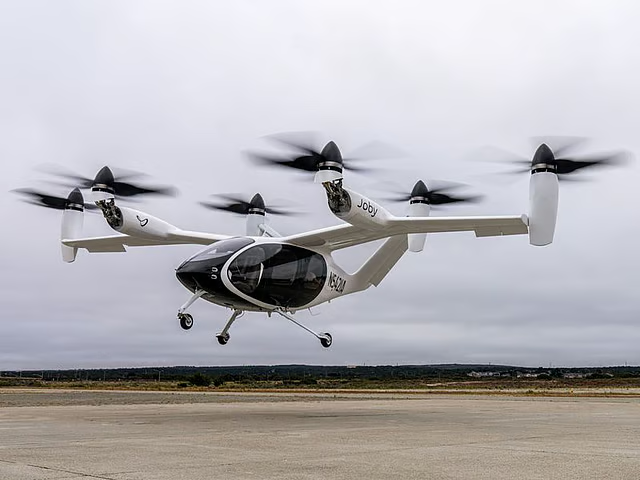
Dubai’s ambitious vision to redefine urban mobility is rapidly becoming a reality, with the city’s Air Taxi project now 70–80 per cent complete and set to launch by the end of 2026, according to Mattar Al Tayer, Director General and Chairman of the Board of Executive Directors of the Roads and Transport Authority (RTA).

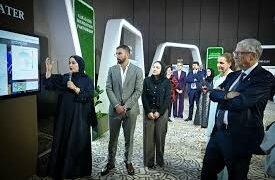
Speaking at the World Government Summit during a session titled “Shaping the Future of Mobility in Cities,” Al Tayer confirmed that Joby Aviation has secured exclusive rights to operate Dubai’s Air Taxi service for six years. The company is currently conducting successful test flights as part of the project’s final development stages.
Autonomous vehicles are also nearing rollout. The initial phase will begin with 100 electric driverless vehicles operating in designated areas, before expanding to 1,000 vehicles across the emirate. Al Tayer said autonomous transport services could begin operating in multiple areas as early as the first quarter.
Highlighting Dubai’s population growth and urban challenges, Al Tayer noted that more than 55 per cent of the global population currently lives in cities, a figure expected to rise to 70 per cent by 2050. Dubai’s daytime population alone exceeds six million.
Private-sector partnerships have played a key role in enhancing efficiency across Dubai’s transport ecosystem. Waiting times for Hala Taxi, operated in partnership with Careem, have dropped from 25 minutes to just three minutes. The emirate has also partnered with global players including Baidu and Uber to further expand smart mobility solutions.
Dubai continues to integrate all transport modes — metro, taxis, e-hailing, autonomous vehicles, and Air Taxis — through advanced control centres and Intelligent Transport Systems (ITS). The city has invested Dh1.6 billion in a dedicated transport control centre and approved 500 additional ITS projects to improve traffic flow, safety, and real-time monitoring.
“The secret of Dubai’s success is decision-making, not technology,” Al Tayer said, adding that the emirate has invested more than Dh175 billion in infrastructure development over the past two decades.