


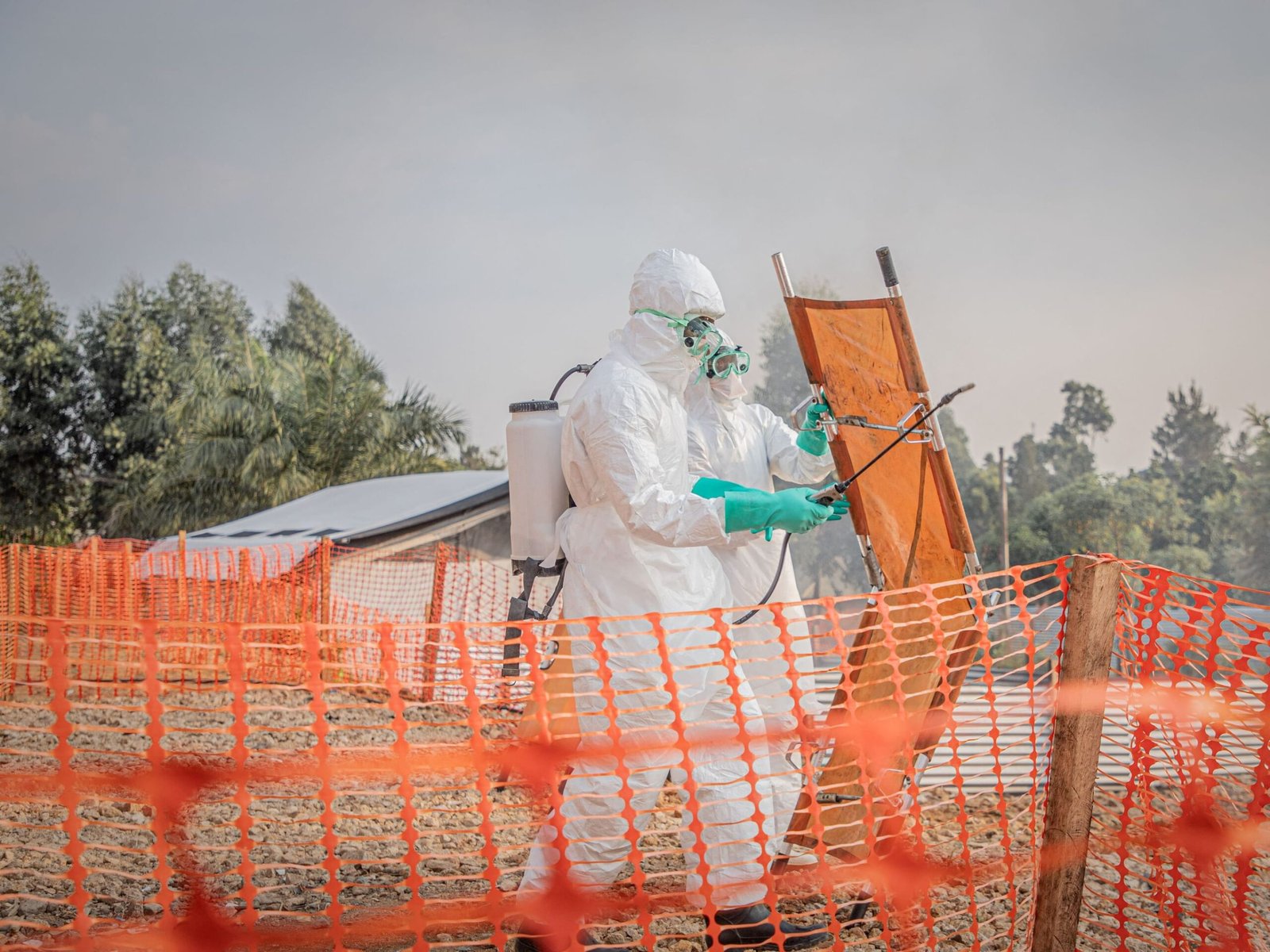
Regional transmission risks mount after a secondary infection in Nairobi linked to the cross-border Bundibugyo strain
KINSHASA / NAIROBI — October 20, 2026 : A lethal Ebola outbreak centered in the Democratic Republic of the Congo has claimed 4,561 lives, health officials confirmed, as neighboring Kenya recorded an eighth case linked to cross-border travel.

The Democratic Republic of the Congo’s Ministry of Health reported that cumulative confirmed infections reached 9,455 by October 17, reflecting a case fatality rate of 48.2 percent. The epidemic remains one of the country’s deadliest viral crises in recent years, placing sustained pressure on isolation centers and clinical response teams across affected provinces.


East African cross-border surveillance faces renewed strain following confirmation of a new infection in Kenya. Director-General for Health Dr. Patrick Amoth confirmed the country’s eighth positive case after a man caught the virus through secondary exposure to Kenya’s index patient.
The diagnosis emerged from a batch of 38 laboratory tests processed over the weekend. Rapid response teams are widening contact tracing around the patient’s immediate social circle and medical contacts to contain local chains of transmission.
Kenya’s outbreak began earlier this month when a traveler from the DR Congo transited through Uganda before falling ill in Nairobi. The index patient later died of complications caused by the Bundibugyo strain of the Ebola virus.

Public health containment faces steep hurdles because the Bundibugyo species lacks a licensed prophylactic vaccine or targeted monoclonal antibody therapy. Unlike the Zaire strain, which can be countered with Ervebo and specific antiviral regimens, Bundibugyo clinical management relies almost entirely on supportive care, including aggressive rehydration, electrolyte management, and symptomatic treatment.
The Africa Centres for Disease Control and Prevention (Africa CDC) cautioned governments across the Great Lakes corridor to reinforce border screening, diagnostics, and personal protective equipment stockpiles. With land borders heavily utilized for trade and displacement, regional health ministries are synchronizing alert thresholds to prevent unmonitored viral transit.