








































The tradition of naming full moons dates back hundreds of years, with many names originating from Native American cultures that relied on lunar cycles to track seasons. These names often reflected environmental changes, farming cycles and animal behavior. European settlers later embraced many of these terms, helping preserve them into modern calendars.

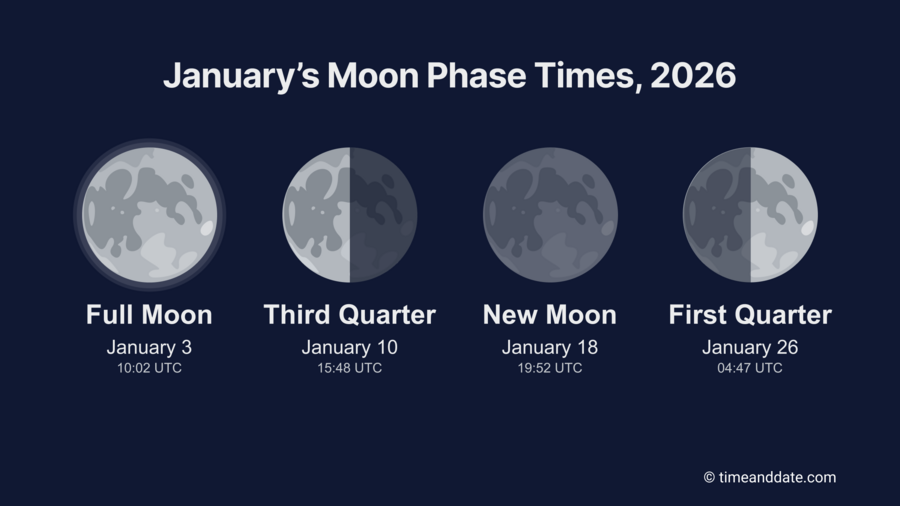
In 2026, each full moon carries a unique name and story. January’s Wolf Moon symbolizes the depth of winter, while February’s Snow Moon highlights the season’s harshest weather. March’s Worm Moon marks the return of life to the soil and will coincide with a total lunar eclipse.
April’s Pink Moon signals early spring flowers and determines the date of Easter, followed by May’s Flower Moon, celebrating blooming landscapes. June’s Strawberry Moon reflects berry harvesting traditions, and July’s Buck Moon is tied to deer antler growth during summer.
August’s Sturgeon Moon is associated with peak fishing seasons and features a near-total lunar eclipse across North America. September’s Harvest Moon, the most famous full moon, falls closest to the autumn equinox and historically aided nighttime farming. October’s Hunter’s Moon and November’s Beaver Moon reflect preparation for winter.
The year ends with December’s Long Nights Moon, named for the longest nights of the year. This full moon will also be a supermoon, appearing larger and brighter due to its close distance from Earth, with stronger tidal effects expected.
The 2026 full moon calendar offers skywatchers a blend of scientific interest and cultural heritage, reminding us of humanity’s long-standing bond with the Moon.