

Washington and Tehran halt dynamic military activity to salvage a fragile June 17 memorandum of understanding after heavy regional escalations disrupt critical Gulf energy corridors.
DUBAI: The United States and Iran have reached an emergency agreement to immediately halt tit-for-tat military strikes and allow commercial shipping to move freely through the strategic Strait of Hormuz. Senior American and regional officials confirmed early Monday that both nations will stand down their forces to pave the way for high-stakes, direct technical negotiations scheduled to commence in Doha, Qatar, on Tuesday, June 30, 2026.

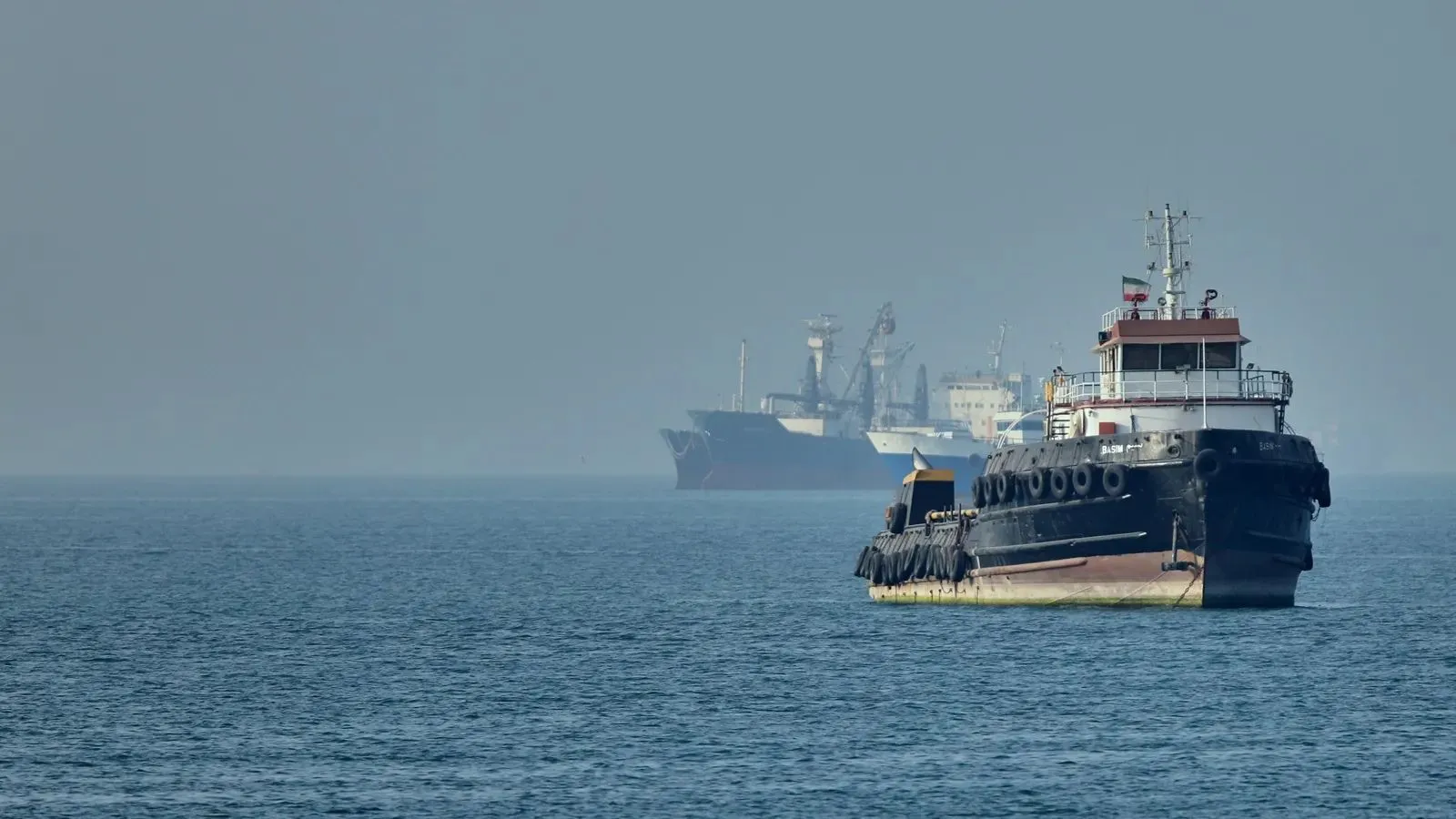
The sudden breakthrough comes after a violent 48-hour escalation threatened to completely derail a fragile truce signed on June 17. The maritime flashpoint ignited when commercial cargo vessels and tankers were hit by projectiles in the narrow waterway, prompting the Trump administration to execute heavy retaliatory airstrikes on Iranian missile storage depots, coastal radar sites, and assets on Qeshm Island. Tehran responded by launching a barrage of ballistic missiles and explosive drones targeting US military bases in Bahrain and Kuwait.


According to senior diplomatic sources, the technical talks were initially slated to take place in Switzerland but were abruptly relocated to the Qatari capital to directly address the operational crisis in the Gulf. At the heart of the dispute is a fundamental disagreement over Article 5 of the June 17 Memorandum of Understanding (MoU), which outlines the rules of safe navigation through the Strait of Hormuz—a transit corridor responsible for a fifth of global oil and liquefied natural gas supplies.

The US delegation, previously represented by Vice President JD Vance during Swiss baseline negotiations, accused Iran of violating the MoU by attempting to assert unilateral authority over commercial channels and forcing ships into its northern territorial waters. Iran, through Foreign Minister Abbas Araghchi, counter-claimed that Washington breached its commitments by maintaining blockades and attempting to establish alternative shipping routes closer to the Omani coast.
“We decided to stop all kinetic activity for now,” a senior US official stated, adding that maritime vessels are being granted unhindered passage while the technical teams iron out unresolved diplomatic gaps.
The strategic confrontation in the Strait of Hormuz represents the worst military escalation between Washington and Tehran since a major conflict erupted in late February 2026. While the baseline June 17 interim agreement required the US to lift naval blockades on Iranian ports in exchange for Tehran guaranteeing safe passage for international shipping, structural ambiguity regarding automated hotlines and territorial boundaries has left global energy markets highly volatile.