


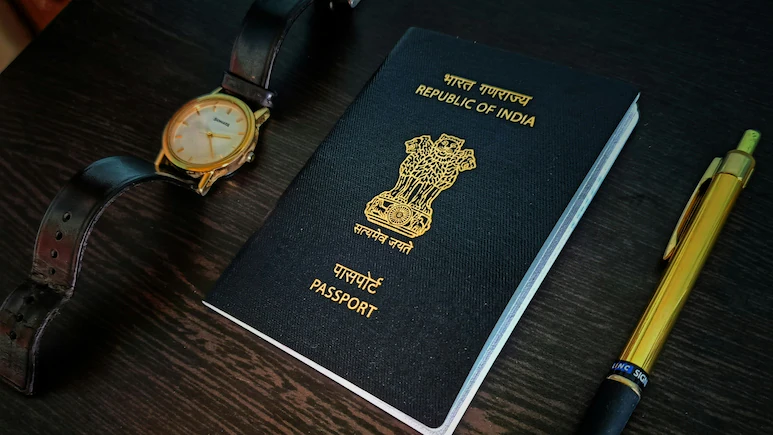
Non-resident Indians (NRIs) in the Gulf region face increased expenses for consular services as New Delhi rolls out a steep revision in passport issuance and renewal rates.
DUBAI: The Government of India has announced a major hike in passport fees by up to 75 percent, set to take effect on July 1, 2026. This steep upward revision means Indian expatriates residing in the UAE and across the globe will face significantly higher out-of-pocket expenses when applying for new passports or renewing expiring ones.

The sudden fee revision will impact millions of blue-collar workers and white-collar professionals across the Gulf Cooperation Council (GCC) countries, particularly the UAE, which hosts one of the largest concentrations of non-resident Indians (NRIs). Consular offices, embassy networks, and authorized outsourced service providers like BLS International are expected to implement the new structure simultaneously at the start of the month.



While the exact breakdown for different passport categories—such as standard 36-page booklets, jumbo 60-page booklets, and tatkaal (expedited) services—is being updated on institutional portals, the maximum increase touching 75 percent represents one of the sharpest jumps in consular service pricing in recent years. Long queues and an immediate surge in renewal applications are anticipated at missions over the next few days as expats attempt to beat the July 1 deadline.
Diplomatic sources indicate that the revised tariff structure is part of a broader fiscal realignment aimed at upgrading global consular infrastructure, enhancing the security features of upcoming e-passports, and integrating advanced biometric tracking systems. However, community leaders note that the timing could strain large families managing multiple renewals alongside escalating living costs in the region.
Consular Services and the Indian Diaspora: Indian diplomatic missions in the UAE regularly process thousands of passport applications daily, making it one of the busiest consular operations worldwide. Passport fees for NRIs are typically collected in local currencies (such as the UAE Dirham) pegged against base rates determined by India’s Ministry of External Affairs. Periodic adjustments are common, though a hike reaching up to 75 percent reflects unprecedented regulatory shifts in processing logistics and security protocols.