































Tehran | March 12: The war between Iran, the United States, and Israel has entered its 12th day, with Tehran claiming that nearly 10,000 civilian sites have been bombed and more than 1,300 civilians killed since the conflict began on February 28.

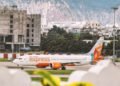
Iran said overnight strikes targeted several locations including Mehrabad Airport in the capital Tehran, while Iranian forces launched retaliatory missile and drone attacks on Israeli targets and US military assets in the Gulf region. The escalating conflict has also triggered a sharp rise in global energy prices.
Heavy Strikes and Civilian Casualties
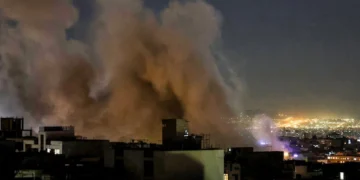
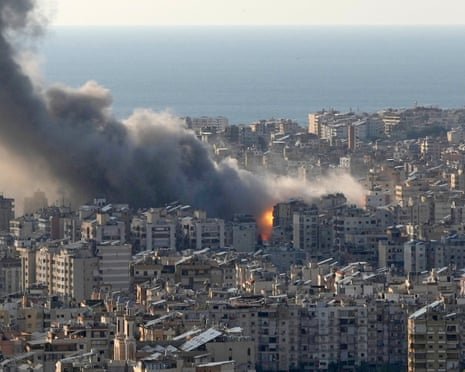
Iranian officials accuse US and Israeli forces of bombing civilian infrastructure across the country. Explosions were reported in residential areas of central Tehran after a wave of Israeli air attacks, with rescue teams searching through rubble for survivors.
The Iranian Red Crescent Society said a residential building was hit during the attacks.
Iran’s military also claimed it targeted Israeli military intelligence headquarters, a naval base in Haifa, and a radar system. Tehran further said it launched attacks on US bases in Kuwait and Bahrain.
Strait of Hormuz Tensions
Iran’s Islamic Revolutionary Guard Corps (IRGC) said it struck two ships in the Strait of Hormuz, claiming the vessels ignored warnings to stop. The strategic waterway carries about 20% of the world’s oil supply, making the conflict a major threat to global energy markets.
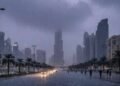
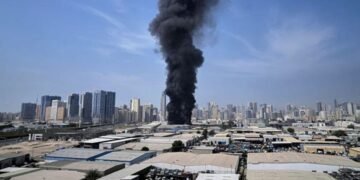
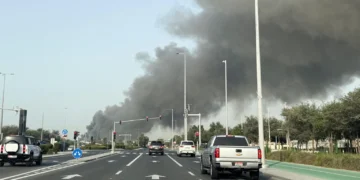
Meanwhile, the World Health Organization warned about possible health risks from toxic “black rain” after strikes on Iranian oil depots released thick smoke that mixed with rain clouds.
Gulf Nations on High Alert
Several Gulf countries reported intercepting Iranian missiles and drones.
- Saudi Arabia said it intercepted ballistic missiles and drones targeting its eastern region and Prince Sultan Air Base.
- Qatar announced it intercepted a missile attack and issued an alert asking residents to remain indoors.
- The United Arab Emirates reported intercepting 26 drones, though nine fell inside its territory.
- Drones also hit fuel tanks at Oman’s Salalah Port, though no casualties were reported.
US Casualties and Political Pressure
The Pentagon said about 140 US troops have been wounded and seven killed since the start of the operation, with another soldier dying from a health-related incident in Kuwait.
US President Donald Trump said the conflict could end soon, claiming there was “nothing left to target” in Iran. However, the White House confirmed that more than 5,000 targets have been struck across the country.
An investigation is also underway into a missile strike on an Iranian girls’ school that reportedly killed around 175 students.
Fighting Spreads Across Region
The conflict is also expanding to neighbouring countries.
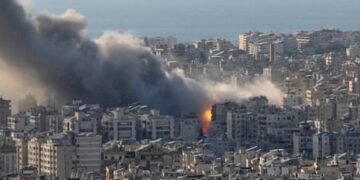
In Lebanon, Israeli strikes on Beirut have killed more than 600 people in recent days, while the government says over 800,000 residents have been displaced.
In Iraq, several locations linked to the Popular Mobilisation Forces were hit in air strikes, prompting Baghdad to warn that the country should not be used as a base for attacks.
Rising Regional Tensions
The war is rapidly expanding across the Middle East, affecting global oil markets, shipping routes, and regional security, raising fears of a broader international conflict.