

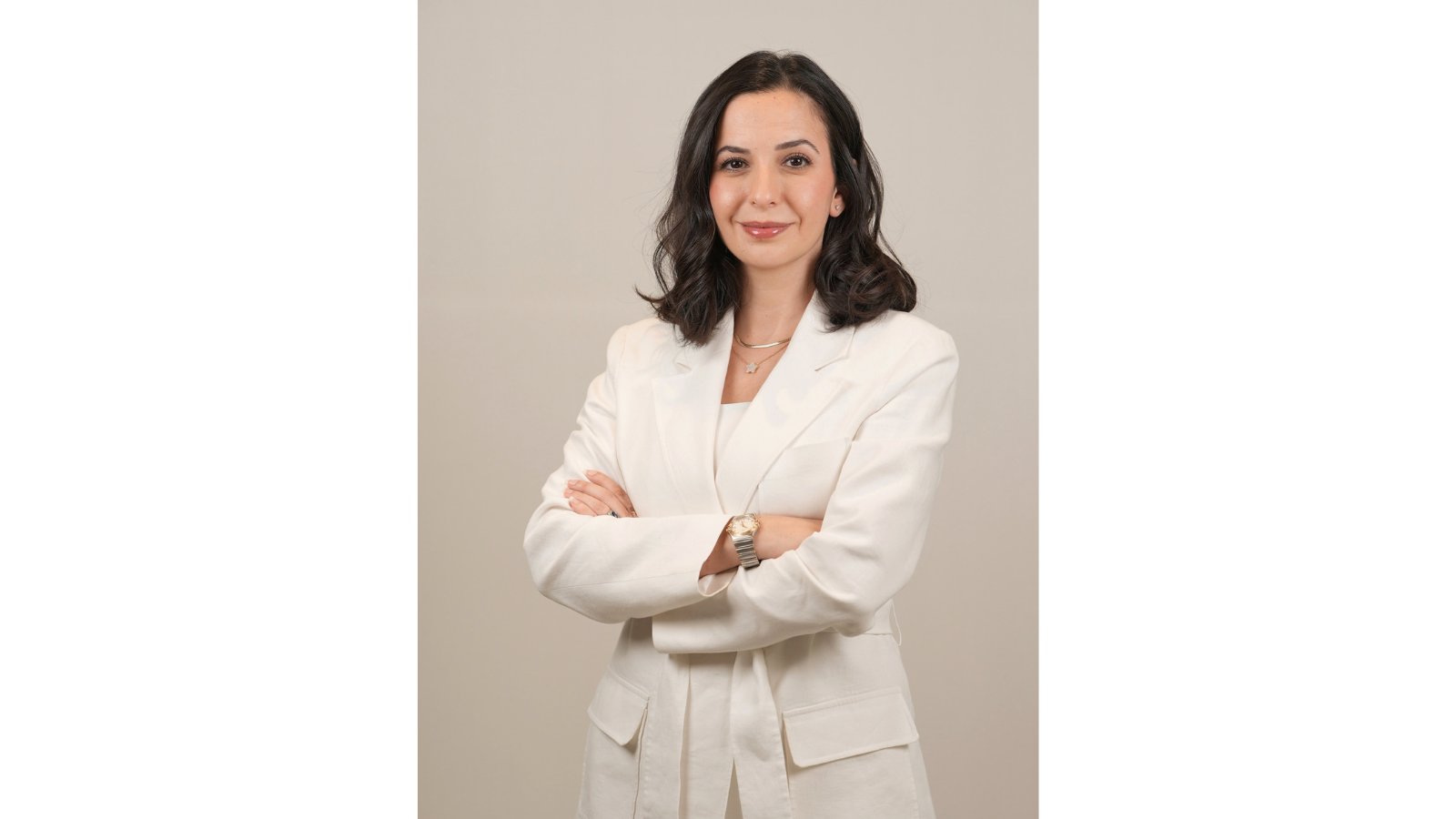
KSQF Director Lujan Mourad highlights the transition from immediate crisis relief to sustainable protection, education, and institutional capacity building.
SHARJAH, UAE:Emergency relief in conflict and crisis zones must serve as a stepping stone toward sustainable, long-term recovery for vulnerable children, according to Lujan Mourad, Director of the Khalid bin Sultan Al Qasimi Humanitarian Foundation (KSQF).
Speaking on the occasion of World Humanitarian Day, Mourad stressed that while immediate aid saves lives during acute emergencies, true recovery requires structural support, quality education, and long-term protection systems.
The Sharjah-based foundation, chaired by Her Highness Sheikha Jawaher bint Mohammed Al Qasimi, focused its World Humanitarian Day messaging on shifting global relief efforts from short-term survival to sustainable community transformation.



“On World Humanitarian Day, we honour those who place their courage and compassion at the service of others,” Mourad said. “Their work in the hardest hours makes possible what comes next: the long-term protection, education and stability that allow a child to truly recover from crisis, not just survive it.”

Children facing severe humanitarian crises require more than temporary safety, Mourad noted. Sustainable aid strategies must empower young people to return to education, process trauma, and establish stable futures within their communities.
KSQF concentrates its humanitarian model on strengthening local institutions and child protection networks. By building long-term capacity within affected regions, the organization aims to reduce reliance on emergency foreign interventions over time.
“Immediate assistance saves lives at the most critical moment, but a child’s needs do not end when the emergency does,” Mourad explained. “Our work begins where that response leaves off, helping children and communities recover and move forward through investing in prevention, strengthening child protection systems, building the capacity of local institutions, and fostering enduring partnerships.”
The foundation’s mandate continues the humanitarian vision of the late Sheikh Khalid bin Sultan Al Qasimi, whose work emphasized dignity and institutional support for vulnerable populations. KSQF manages humanitarian initiatives across multiple regions, addressing risks such as forced displacement, child labor, and barriers to education.
Mourad reaffirmed that KSQF will continue expanding its global partnerships to establish protective environments where crisis-affected children can reclaim their childhoods.