
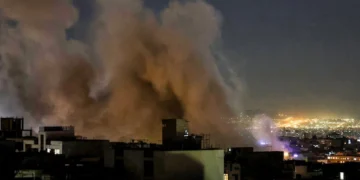

































The escalating confrontation between the United States, Israel and Iran intensified dramatically on Day 5, with fresh strikes across Tehran, naval warfare in the Indian Ocean, and mounting security alerts across Gulf nations.

UAE: “We Have Not Participated in the War”
The United Arab Emirates reiterated that it has not joined the conflict nor permitted its territory to be used for attacks against Iran, despite being subjected to more than 1,000 missile and drone incidents.
The Ministry of Defence confirmed:
- 189 ballistic missiles detected
- 941 drones identified
- 8 cruise missiles destroyed
Air defence systems successfully neutralized the majority of threats. Three people were killed and dozens injured due to debris and falling fragments.
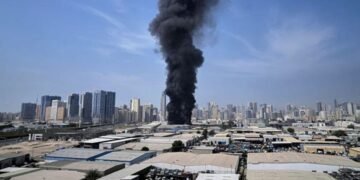
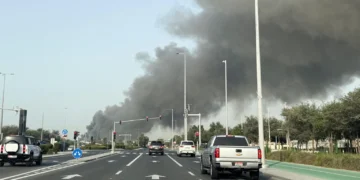
Emergency teams swiftly contained fires near the US Consulate in Dubai, in Abu Dhabi’s Mussafah fuel terminal, and at Fujairah Oil Industry Zone.
Authorities urged residents to rely on official channels and avoid circulating rumours.
Major Naval Turning Point
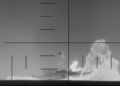
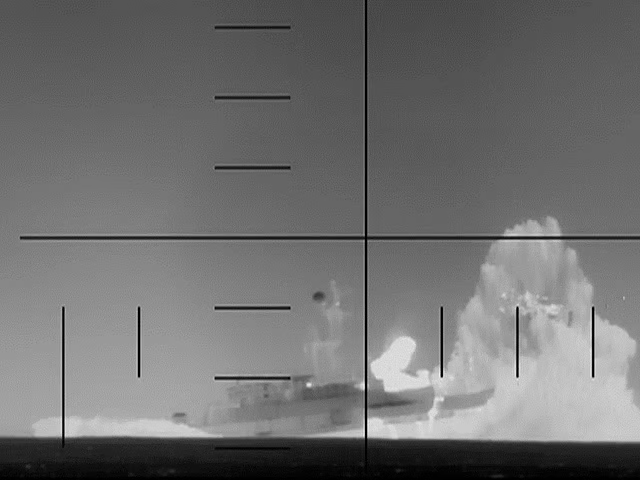
In a significant escalation, a US submarine torpedoed and sank the Iranian frigate IRIS Dena off Sri Lanka. Nearly 150 sailors were reported missing.
The Pentagon described it as the first sinking of an enemy vessel by torpedo since World War II.
Iran’s Revolutionary Guards declared control over the Strait of Hormuz, while President Donald Trump stated the US Navy could escort oil tankers to ensure energy security.
Expanding Regional Fallout
Missiles triggered air raid sirens across Israel. Lebanon saw renewed Israeli ground activity. NATO forces intercepted a ballistic missile targeting Turkey.
Bahrain, Kuwait and Saudi Arabia confirmed interceptions of missiles and drones. Qatar reported a missile strike at Al Udeid base but no casualties. Oman rescued a cargo ship crew after missile damage.
Iranian state media reported over 1,000 deaths from strikes since the conflict began.
Travel Disruptions and Airspace Closures
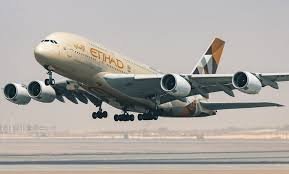
UAE airports are managing limited operations at 48 flights per hour. Emirates, Air Arabia, Qatar Airways and Saudia Airlines extended suspensions.
India cancelled over 1,200 flights and activated emergency helplines. Fujairah launched charter services to support stranded passengers.
The US suspended operations at its Abu Dhabi embassy and Dubai consulate.
Markets and Energy
Dubai and Abu Dhabi stock markets reopened sharply lower, reflecting accumulated geopolitical risk.
Brent crude climbed above $82 per barrel amid concerns over potential disruption to global oil and LNG supplies.
Despite market volatility, UAE infrastructure including ports, telecom networks, banking systems, and pharmaceutical supplies remain fully operational.
Schools and Public Advisory
Spring break across the UAE will run from March 9 to March 22. Distance learning continues temporarily as precaution.
Authorities warned residents against filming sensitive security locations or ignoring emergency alerts.
International Response
France deployed naval assets to the Mediterranean. Canada questioned the legality of the strikes. The Vatican cautioned against the erosion of international law and warned that preventive war could “set the world ablaze.”
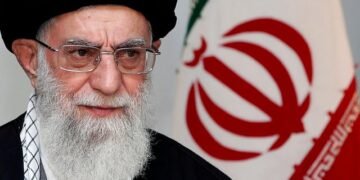
Iran is expected to appoint a new supreme leader following the reported killing of Ayatollah Ali Khamenei.
With missile exchanges continuing and diplomatic avenues narrowing, the Middle East stands at one of its most volatile junctures in decades.