


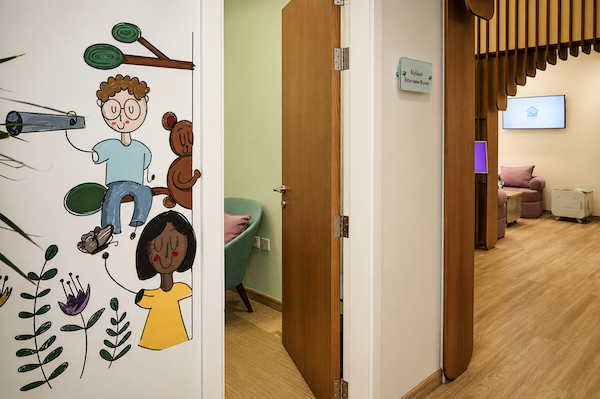
Upgraded multispectral imaging technology detects invisible trauma and streamlines criminal evidence documentation across legal and healthcare workflows.
SHARJAH, Sept. 14, 2026 — Kanaf Centre has integrated an advanced multispectral forensic examination platform to detect subdermal injuries and collect biological evidence in child abuse cases, making it the first child-advocacy facility in the United Arab Emirates and the wider Middle East to deploy the upgraded system.
The newly adopted Safe Ultra System, driven by ForenScope CMS technology, captures physical trauma indicators that evade detection under standard clinic lighting. Medical examiners can now document latent bruising, bite and fingernail marks, micro-lacerations, contact burns, vascular anomalies, and trace biological fluids linked to physical abuse and sexual assault.


The deployment seeks to strengthen the legal integrity of evidence submitted to public prosecutors while shielding children from invasive, recurring medical evaluations.
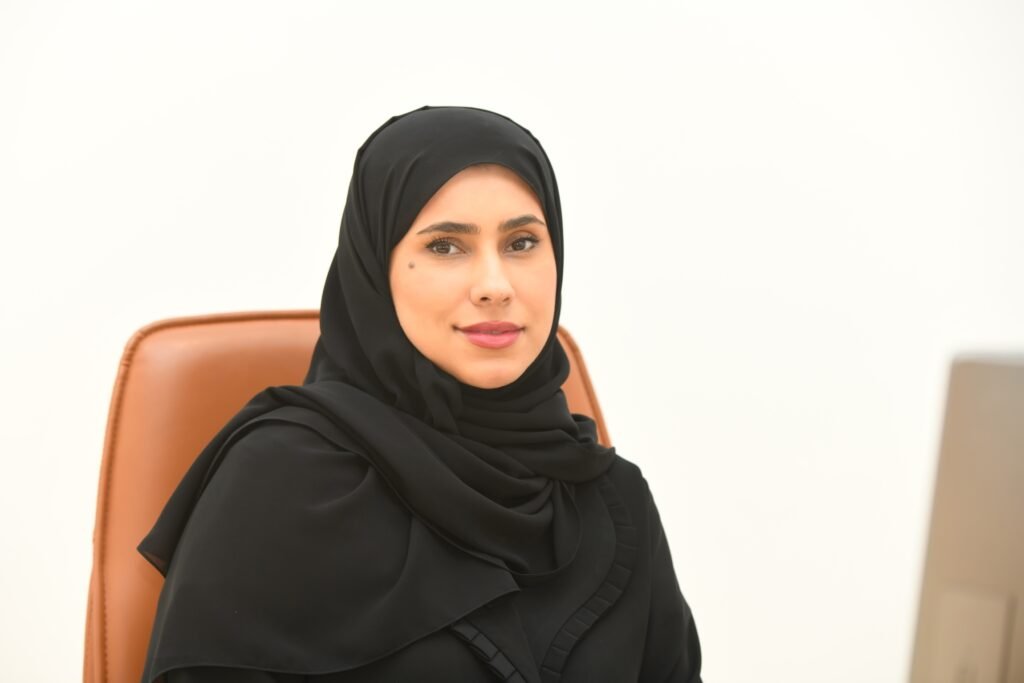

Hanadi Al Yafei, Director General of the Child Safety Organisation and Chairperson of Kanaf’s Higher Committee, said the diagnostic upgrade centers on minimizing trauma for victims and their families.
“This step is guided first and foremost by the best interests of the child,” Al Yafei said. “A precise and responsible assessment can reduce the need for repeated procedures and spare children and their families further psychological distress.”
Sharjah’s judicial leadership emphasized that the system addresses long-standing hurdles in child abuse prosecutions, where delayed reporting often leads to physical evidence fading before formal examinations take place.
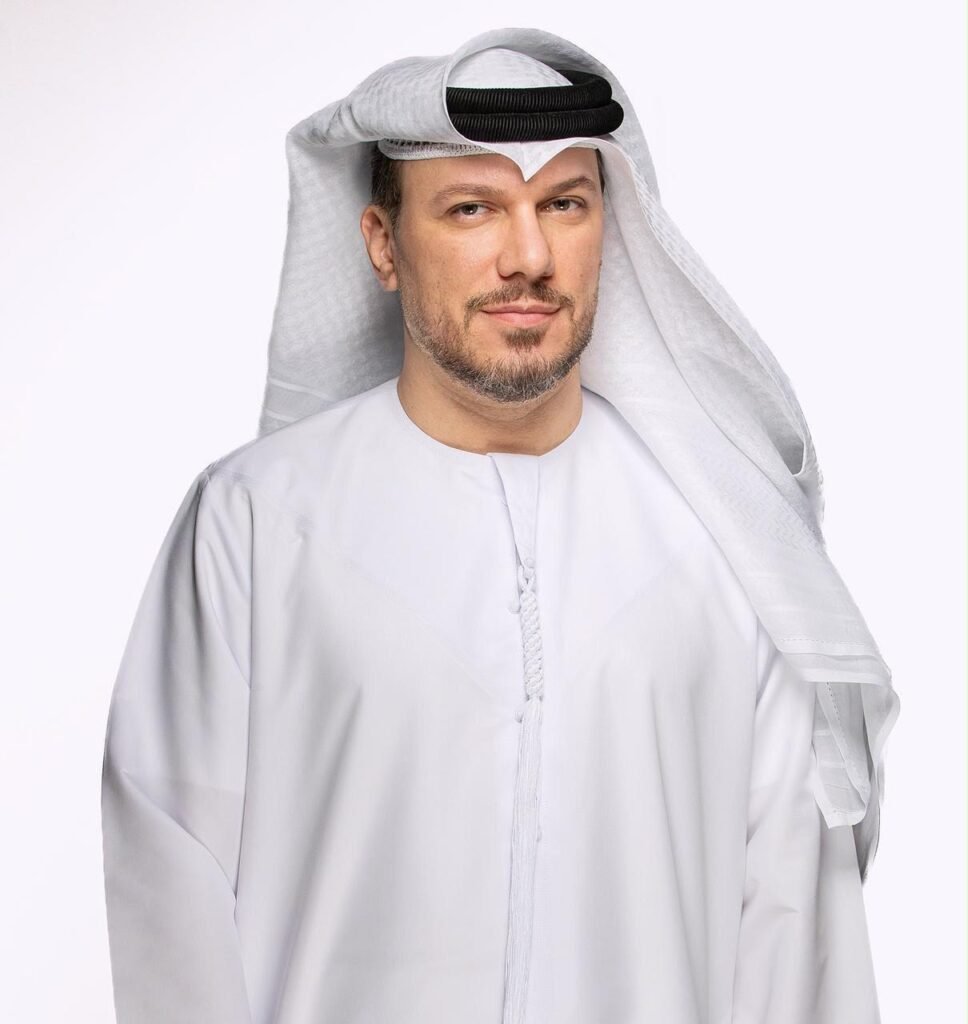
“The technology can identify indicators that are invisible to the naked eye, including subdermal bruising after external signs have faded,” said Dr. Mohammed Al Kaabi, Head of the Judicial Department. He noted that early, scientifically verified documentation directly improves the evidentiary weight of clinical reports presented in court.


Sharjah Attorney General Anwar Al Harmoudi, who also sits on Kanaf’s Higher Committee, pointed out that the platform eliminates critical evidentiary blind spots during criminal proceedings.
“Access to scientifically documented evidence enables more informed judicial decision-making and contributes to faster, more accurate justice,” Al Harmoudi said. “It can help establish that a crime has occurred even when visible signs are absent, addressing evidentiary gaps in sensitive cases.”
Operating on the internationally recognized Barnahus inter-agency model, Kanaf brings legal authorities, public prosecutors, forensic medical personnel, and social workers under one roof. The centre’s specialist forensic teams have completed technical training on the platform’s digital case management infrastructure, which archives high-resolution image sets, encrypts procedural chains of custody, and standardizes court-ready evidentiary submissions.
Officials confirmed that the unified process preserves chain-of-custody standards required by UAE courts, ensuring that case documentation remains tamper-proof throughout judicial reviews while protecting the minor’s long-term confidentiality.