


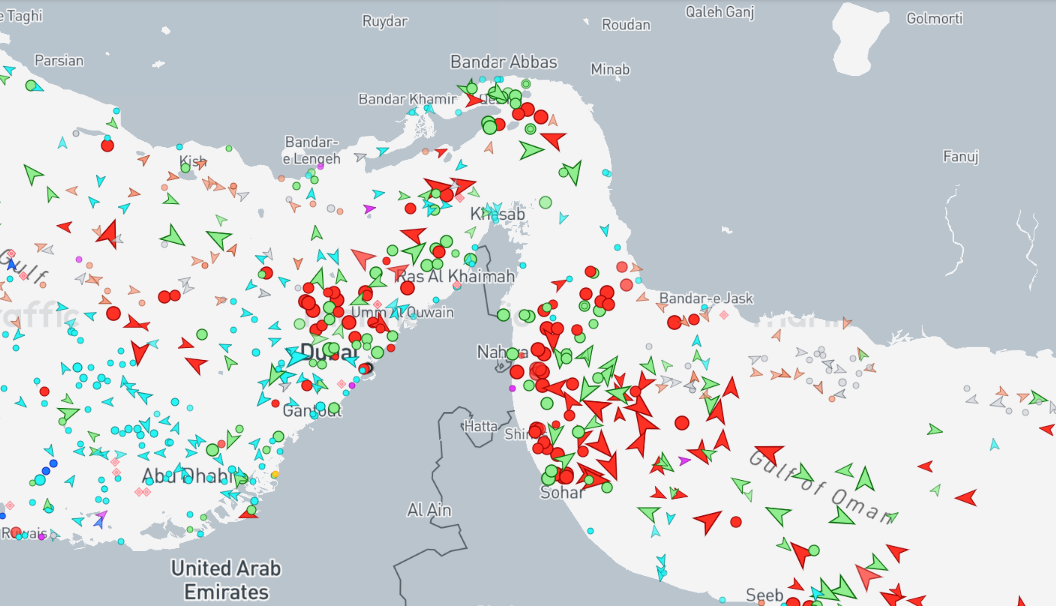
ABU DHABI — Commercial oil tankers and cargo vessels navigating the Strait of Hormuz are increasingly bypassing Iranian-controlled shipping lanes, leaning on US military protection and Omani territorial waters to move energy supplies despite persistent regional tensions.

Data from maritime tracking firm Kpler indicates that over 80 percent of liquid cargo vessels transiting the narrow waterway have shifted to the United Nations-authorized Omani corridor or turned off Automatic Identification System (AIS) transponders during transit. The tactical adjustment reflects a growing effort by international shipping lines to avoid Iranian maritime enforcement, offshore patrols, and potential seizures.

The shift follows the expiration of a 60-day memorandum of understanding signed on June 17, 2026, which had temporarily eased friction over maritime transit rights. Negotiations over a permanent agreement stalled after Tehran sought to formalize administrative oversight, vessel permit requirements, and transit fees—demands rejected by the United States and Arabian Gulf states.


Tehran maintains that the strategic waterway remains under its territorial jurisdiction. However, naval degradation stemming from recent regional conflicts has limited Iran’s ability to enforce comprehensive control over commercial corridors. While Iranian forces retain significant asymmetric capabilities—including low-altitude attack drones, mobile coastal missile batteries, and fast-attack craft—commercial operators are taking advantage of heavy US naval overwatch along the southern passage.
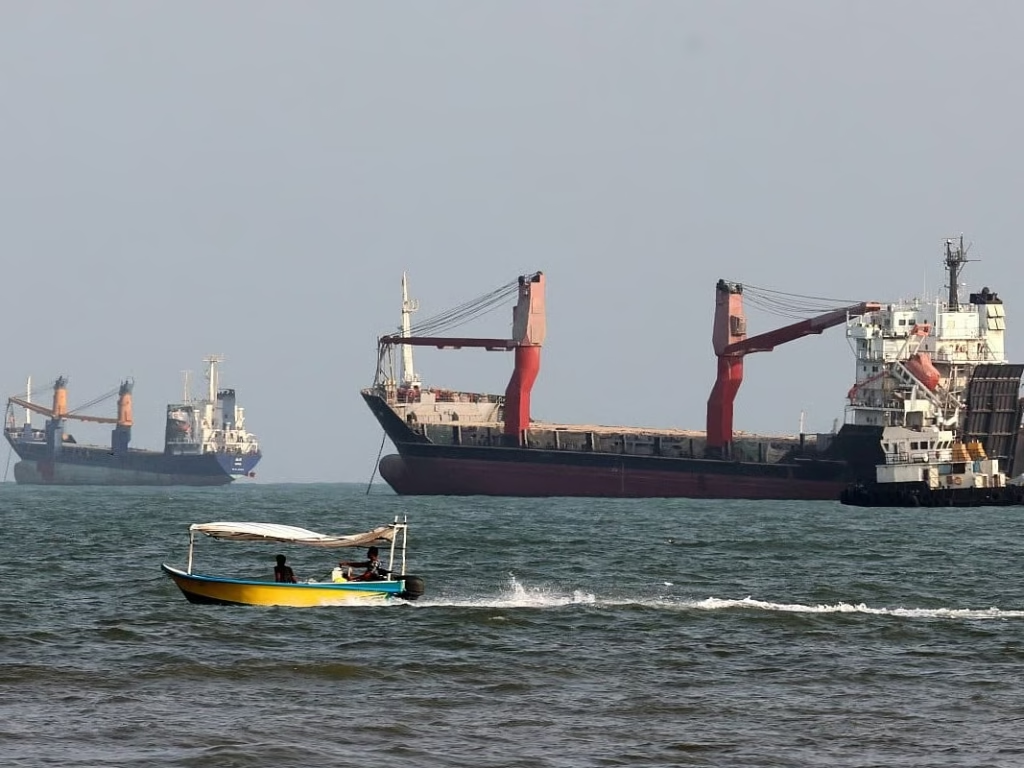
US officials claim that daily oil movements through and around the strait have recovered toward pre-war averages, reaching between 10 million and 15 million barrels per day through a combination of escorted convoys, dark transits, and offshore ship-to-ship transfers. Independent maritime analysts note that standard AIS tracking shows significantly lower visible vessel counts than the historical average of roughly 130 ships per day, largely due to security-driven tracking blackouts.
Global energy markets remain sensitive to security risks along the passage, which handles approximately one-fifth of world crude consumption. Brent crude prices rose to $93.75 a barrel during Asian trading hours on Friday, driven by elevated maritime insurance premiums, lingering security threats, and persistent market friction despite adjusted shipping routes.