

High-level talks on the sidelines of the UN General Assembly aim to address regional security, maritime energy corridors, and diplomatic terms.
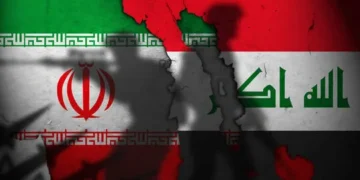
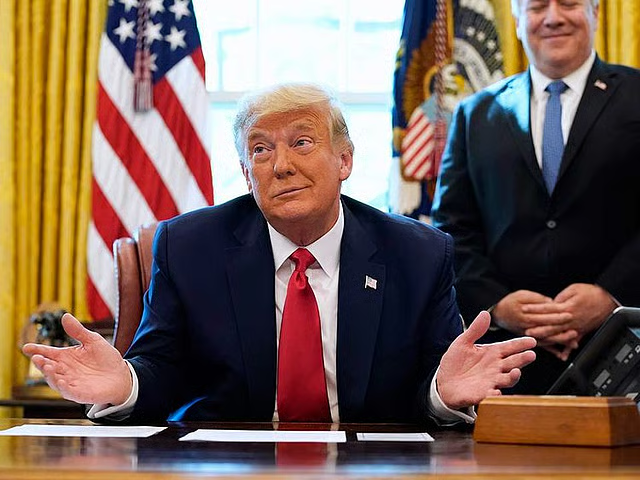
WASHINGTON — US President Donald Trump will meet leaders and foreign ministers from the Gulf Cooperation Council in New York next week to review diplomatic terms and security arrangements for ending the seven-month war with Iran.

The summit, scheduled for Tuesday during the 81st United Nations General Assembly high-level debate, will include representatives from Saudi Arabia, the United Arab Emirates, Qatar, Kuwait, Bahrain, and Oman. US diplomatic officials issued invitations on Wednesday, with discussions potentially expanding to include other Arab and Muslim-majority nations.
The talks mark the initial formal multilateral effort to address regional architecture following months of hostilities that began on February 28. Senior administration officials are drafting a postwar framework, with comprehensive operational and economic plans expected following the US midterm elections in November.


“Hopefully we are towards the end of the war,” Trump told reporters on Wednesday at the White House. He asserted that Tehran had communicated an interest in reaching terms directly with Washington, rather than solely through intermediary channels. Iranian officials have not verified any direct bilateral dialogue.
Gulf states face direct operational and economic risks from the conflict. Nations hosting American installations have absorbed retaliatory missile and drone attacks from Iranian forces. Sustained commercial transit interruptions around the Strait of Hormuz have roiled energy shipments, adding volatility to international crude benchmarks and liquefied natural gas markets.

The New York agenda will center on maritime navigation security, defensive burden-sharing, and long-term political stabilization.
The planned gathering follows back-channel regional diplomacy, including direct talks between US officials and senior Houthi negotiators in Muscat facilitated by the Omani government. During those meetings, Houthi representatives conveyed commitments to respect freedom of navigation for American and non-aligned commercial vessels, reiterating their adherence to prior de-escalation arrangements.
The State Department declined to confirm the Muscat meetings directly, reiterating that safeguarding open navigation in the Red Sea and containing regional conflict remain non-negotiable US priorities.
Israeli Prime Minister Benjamin Netanyahu is also seeking a bilateral meeting with Trump during the General Assembly session, though no formal schedule has been confirmed.