

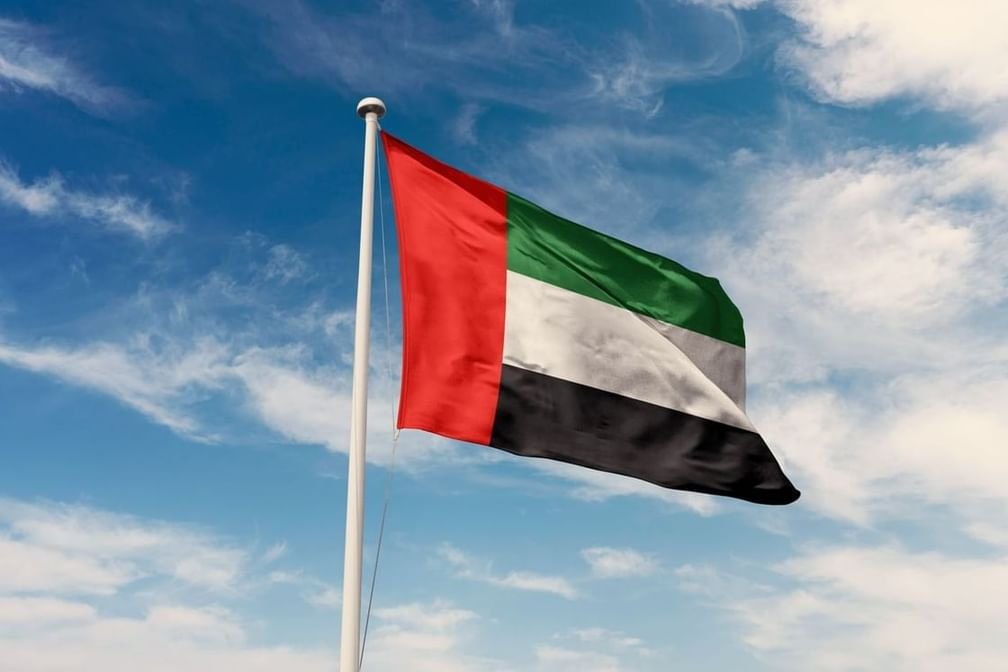
KUWAIT: The United Arab Emirates (UAE) has secured the top spot among Arab nations for attracting Foreign Direct Investment (FDI) in 2025, drawing in a staggering $48.2 billion. This impressive figure accounts for 40.4% of the total FDI inflows into the entire Arab region.

Furthermore, the UAE climbed two spots to rank 17th globally and 1st regionally in the 2025 Composite Investment Climate Index, published by the Arab Investment and Export Credit Guarantee Corporation (Dhaman).
Shifting Trends in Regional Investment
According to UNCTAD estimates featured in Dhaman’s 41st Annual Investment Climate Report 2026, overall FDI inflows to Arab nations faced a 10% decline, dropping to $119.3 billion in 2025. The data reveals a heavy concentration of wealth, with over 80% of these total inflows directed toward just three Arab countries. Additionally, geopolitical developments caused capital expenditure (Capex) on regional FDI projects to dip by 9% to $112 billion.



While GCC nations, Jordan, and Morocco led the pack, the global average ranking for Arab countries held steady at 102nd place. Qatar followed the UAE in regional rankings (38th globally), with Saudi Arabia taking the third regional spot (40th globally). Conversely, 11 Arab nations lagged behind, ranking toward the bottom of the global list.
Roadmap for a Better Investment Climate
To counter the widening gap with global averages, Dhaman recommended an integrated overhaul across four core areas:
- Political & Security: Resolving localized conflicts, modernizing security systems, and reinforcing the rule of law.
- Institutional & Legislative: Digitizing business procedures, slashing processing times, and updating laws to protect investor rights via advanced arbitration services.
- Economic Policies: Curbing inflation to ensure currency stability, reforming tax structures, and offering incentives to private sectors.
- Production Elements: Enhancing human capital through targeted training, diversifying financing channels, and boosting local supply chains.
The report concluded by urging Arab nations to adapt successful global models, prioritize swift digital reforms, and tailor strategies to their unique national capabilities.