


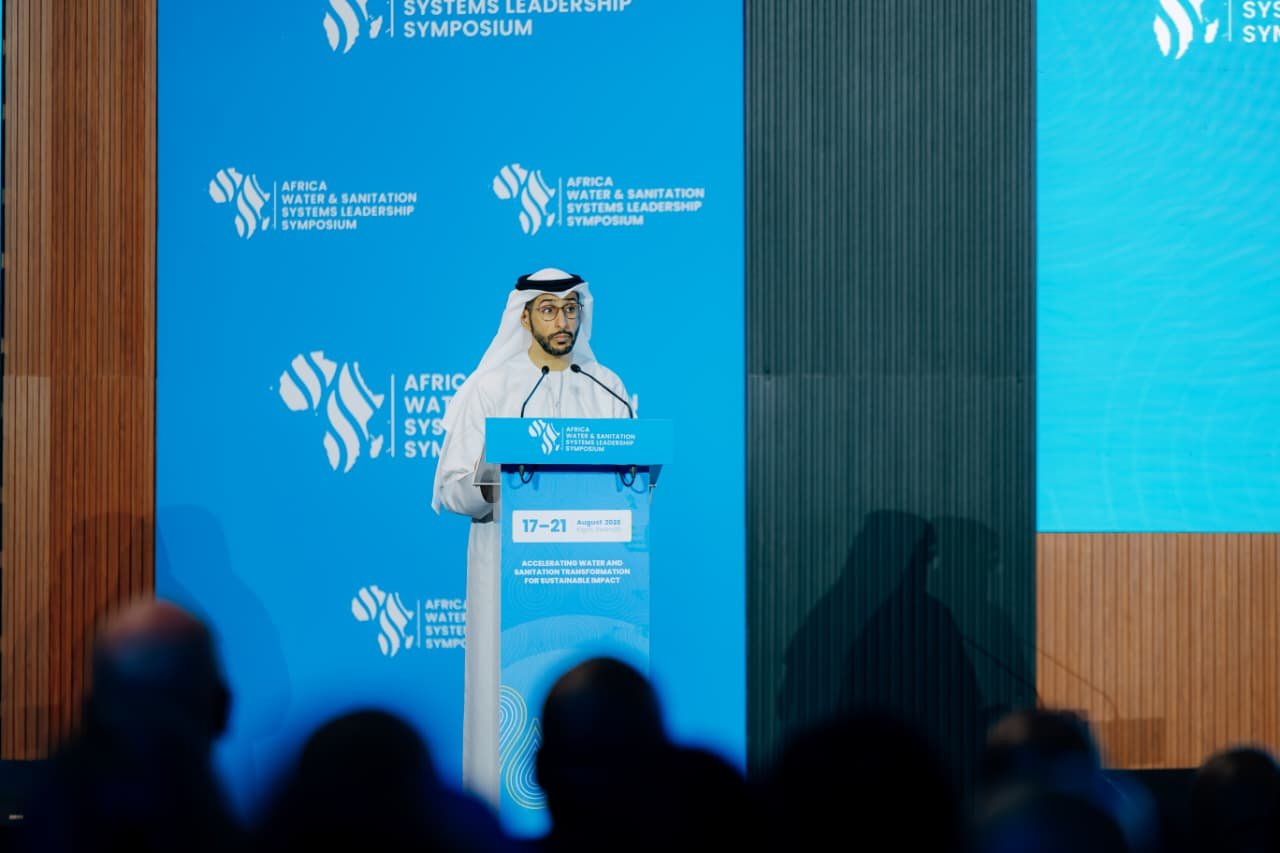
Speaking in Kigali, Assistant Minister Abdulla Ahmed Balalaa says global shift must pivot from policy commitments to actionable implementation before December’s UN Water Conference in Abu Dhabi.
KIGALI, Rwanda — August 18, 2026:The United Arab Emirates has committed to leveraging its diplomatic and financial reach to turn Africa’s water commitments into bankable infrastructure projects, addressing a global crisis where one in four people still lacks access to safe drinking water.
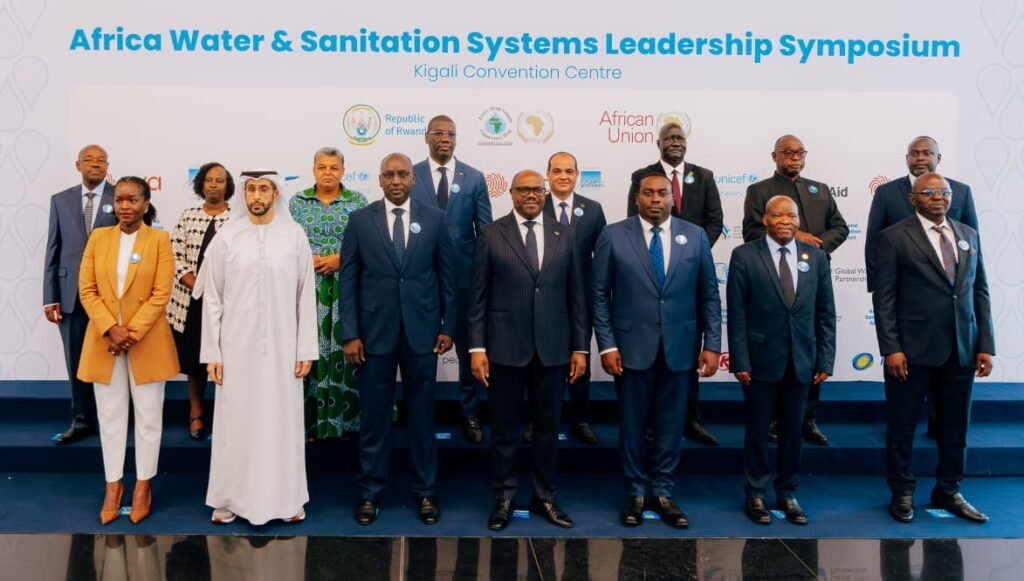
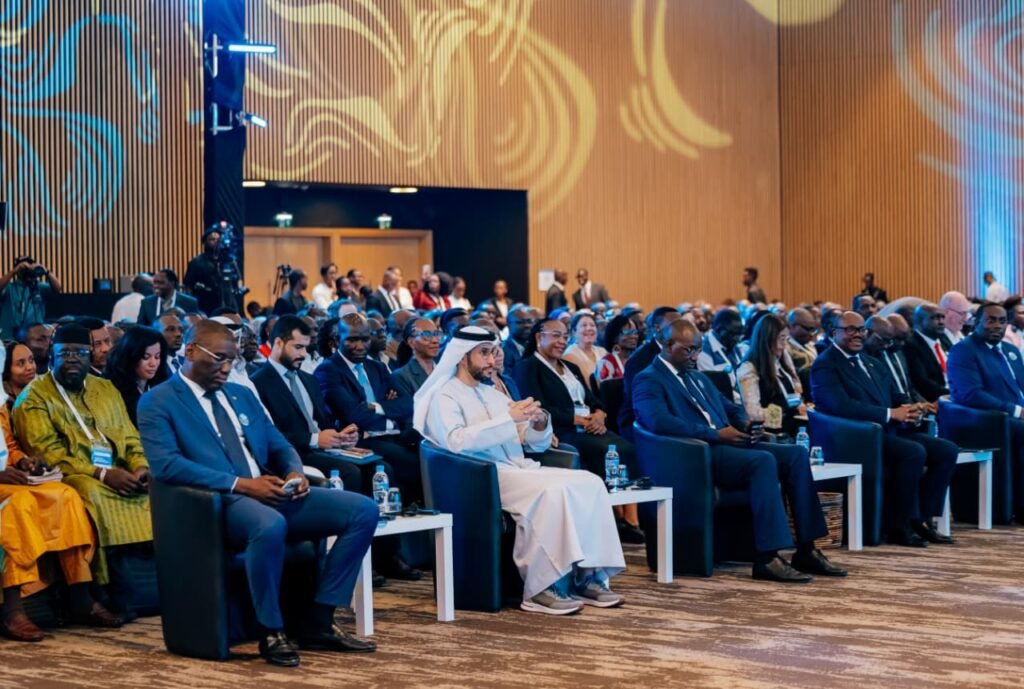
Addressing African leaders, ministers, and development partners at the Africa Water and Sanitation Systems Leadership Symposium in Kigali, UAE Assistant Minister of Foreign Affairs for Energy and Sustainability Abdulla Ahmed Balalaa declared that the global water crisis can no longer be approached as a peripheral policy issue.

Instead, water security forms the essential backbone of economic stability, food systems, energy security, and climate resilience across the developing world.


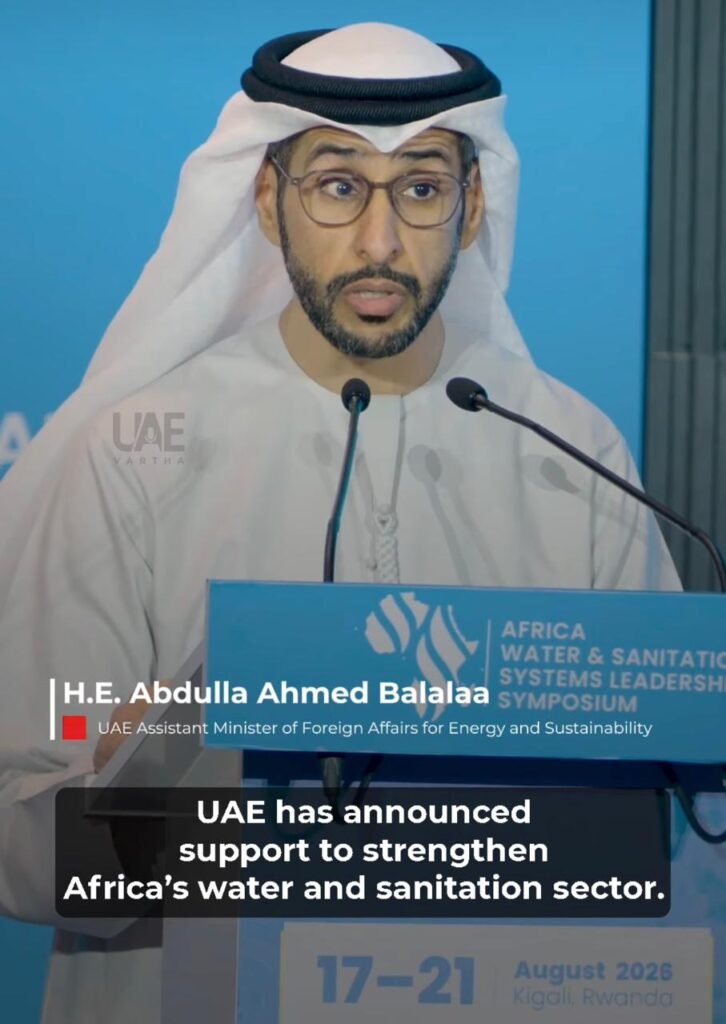
“Across Africa and around the world, water is no longer a sector issue at the margins of policy,” Balalaa told delegates. “The challenge before us is no longer one of ambition. The challenge is implementation. Our collective task is to mobilize the partnerships, finance, technology, and political leadership required to turn commitments into measurable outcomes.”
The Kigali convening comes as the African Union elevates “Sustainable Water Availability and Safe Sanitation Systems” as its central theme under Agenda 2063. Globally, 2.1 billion people lack access to safely managed drinking water, while 3.4 billion live without safely managed sanitation facilities.
To bridge the critical financing gap, the UAE and Senegal—co-hosts of the upcoming 2026 UN Water Conference scheduled for December in Abu Dhabi—plan to bring together international development finance institutions, philanthropic organizations, private investors, and technology innovators. The strategy aims to match Africa’s demand for infrastructure with institutional capital.
The UAE’s foreign policy framework has increasingly anchored itself around global water security. Key initiatives include the $119 million Mohamed bin Zayed Water Initiative, launched to accelerate breakthroughs in affordable, scalable desalination technology, and the $2 billion Abu Dhabi Global Water Platform, which targets expanding clean water access to 10 million people globally by 2030.
On a bilateral level, the Abu Dhabi Fund for Development signed an agreement with the Government of Rwanda to overhaul water transmission and distribution networks, expanding municipal access across the country.

The roadmap to Abu Dhabi follows high-level preparatory engagements across the continent, including the WASH Forum at the African Union Summit in Addis Ababa, the Africa Water Investment Summit in Cape Town, and a January preparatory conference in Dakar that drew nearly 3,000 international delegates.
Balalaa stressed that the ultimate benchmark for the Abu Dhabi summit will not be political declarations, but tangible, post-conference infrastructure delivery that changes daily lives.