


President Trump hints at direct Tehran contacts, but drone strikes, transit curbs in Hormuz, and Red Sea threats keep shipping costs and regional flights exposed.
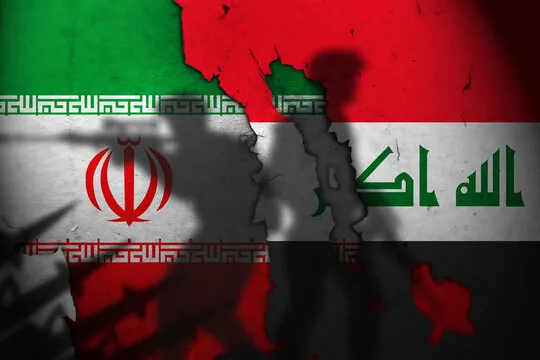
DUBAI — September 17, 2026 : Diplomatic efforts to halt the seven-month-old US-Iran conflict gained momentum on Thursday after US President Donald Trump signaled direct talks with Tehran, even as drone attacks near the Strait of Hormuz and fresh Houthi advances off Yemen keep Middle Eastern energy and transport routes under severe strain.
Speaking in Washington, President Trump said the United States was “hopefully toward the end” of the conflict, confirming that American officials have maintained direct contact with Tehran over the contours of a potential settlement. The admission offers the clearest signal yet of an intended diplomatic off-ramp.
Concurrently, a parallel mediation push led by Beijing took shape as Iranian Foreign Minister Abbas Araghchi met Chinese counterpart Wang Yi in Beijing, ahead of an expected bilateral summit between Chinese President Xi Jinping and Trump later this month.



Yet on the water, normal commercial navigation remains distant. In the Gulf, an Iranian drone and missile barrage struck a US-contracted support vessel carrying American personnel near the Strait of Hormuz, causing shipboard fires and minor injuries, including smoke inhalation among crew members. CENTCOM has redirected 103 commercial vessels as part of its maritime blockade measures against Iranian sea trade. While the command insists the strait remains physically open, commercial transits face rigorous disruption.
Tehran has compounded the bottleneck by enforcing a mandate requiring merchant vessels to secure clearance directly from Iranian port and maritime authorities before entering the waterway. Further west, Iran-aligned Houthi forces took control of Yemen’s Red Sea port of Mokha alongside strategic islands guarding the Bab Al Mandab strait, threatening a second vital chokepoint despite United Nations assessments indicating core traffic lanes remain operational.
Oil markets responded to the crosscurrents with volatile swings. Brent crude hovered near $104.60 a barrel on Thursday, pressured by disruptions to Saudi Arabia’s East-West pipeline system following cross-border drone strikes on infrastructure feeding Yanbu. To circumvent the pipeline damage and sustain delivery commitments, state producer Saudi Aramco has ramped up offshore ship-to-ship transfers off Oman’s Port of Sohar, supplying Asian refiners with Arab Light, Medium, and Heavy grades while lifting Gulf terminal loadings to four million barrels per day. Satellite monitoring by TankerTrackers confirmed expanded offshore transfers across the Gulf of Oman for crude oil, liquefied natural gas, and LPG.

White House senior adviser Massad Boulos told delegates at the Arab Media Summit in Dubai that Washington maintains round-the-clock defense coordination with authorities in the United Arab Emirates and Saudi Arabia regarding corridor defense across the southern Red Sea.
For Gulf consumers and businesses, prolonged crude prices above the $100 mark continue to ripple into regional supply chains. Regional carriers—including Emirates, flydubai, and Air Arabia—have adjusted flight operations across selected regional corridors, prompting aviation authorities to urge passengers to confirm flight bookings before departing for terminals. Because domestic retail fuel prices track international refined benchmarks, import freight costs, construction supplies, and air operations face persistent cost exposure until diplomatic channels materialize into an internationally verified ceasefire.