


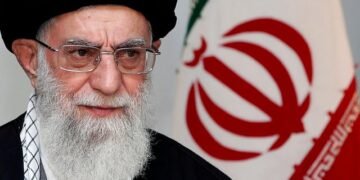




































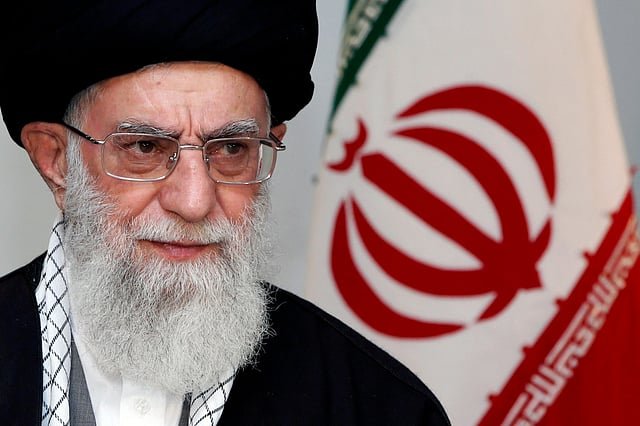
Dubai: Iran has officially confirmed the death of Supreme Leader Ayatollah Ali Hosseini Khamenei, announcing a nationwide 40-day mourning period and significant public holidays as the nation enters a period of grief and uncertainty

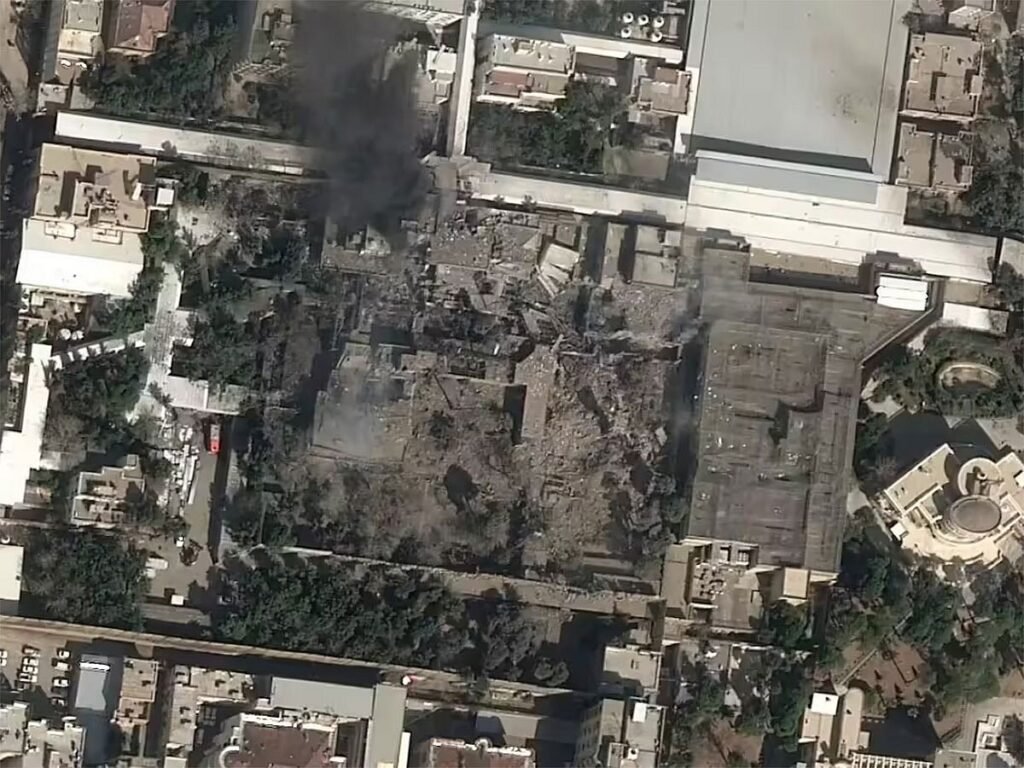
State television reported that Khamenei, 86, who had led the Islamic Republic since 1989, was killed following joint military strikes by the United States and Israel that struck key targets in Tehran and other strategic locations. Iranian authorities confirmed the death early Sunday after days of conflicting reports
Born on April 19, 1939, in Mashhad, Iran, Ali Khamenei rose through the ranks of the clerical establishment and became one of the Islamic Republic’s most powerful figures following the death of its founder, Ayatollah Ruhollah Khomeini. He served first as Iran’s president from 1981 to 1989, before being selected as Supreme Leader — the nation’s highest political and religious authority — a position he held for nearly 37 years.
Under Khamenei’s rule, Iran became a central player in regional politics, maintaining a staunchly anti-Western stance while extending influence through proxy groups like Hezbollah and other allied militias across the Middle East. He also oversaw the expansion of the Islamic Revolutionary Guard Corps (IRGC) and faced persistent tensions with the United States over Iran’s nuclear ambitions and regional interventions
The news of Khamenei’s death marks a significant shift in Iranian politics, as no clear successor has yet been announced. According to Iran’s constitution, the Assembly of Experts — a clerical body — is responsible for selecting a new Supreme Leader, setting the stage for a potentially contentious transition.
In response to the confirmation, the Iranian government declared 40 days of nationwide mourning and a week-long public holiday, underscoring the deep impact of his passing on the nation’s social and political fabric.