

The hardware veteran assumes leadership ahead of a pivotal September launch featuring Apple’s first foldable iPhone and expanding AI initiatives
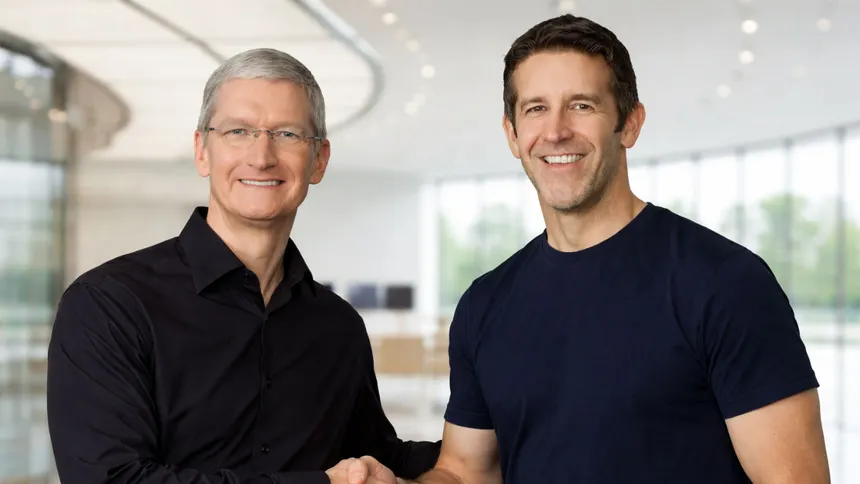
CUPERTINO, Calif. — September 1, 2026 : John Ternus officially assumed the role of chief executive officer at Apple Inc. on Tuesday, concluding Tim Cook’s 15-year tenure at the helm of the world’s most valuable technology company.
Cook has transitioned to executive chairman of Apple’s board of directors following a succession plan that received unanimous board approval. The leadership change shifts Apple from the guidance of an operations and logistics specialist to a mechanical engineer who has directed the company’s core hardware divisions for more than two decades.

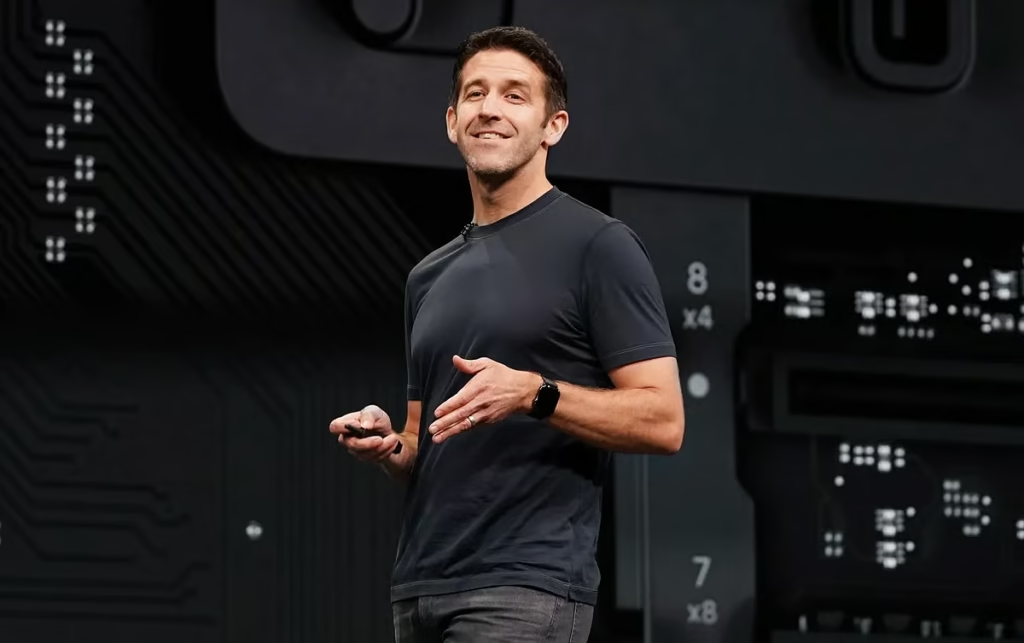
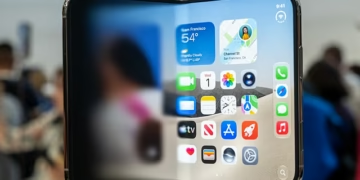
Ternus faces an immediate public test on September 9, when Apple hosts its annual autumn product launch. The event is expected to feature the iPhone 18 lineup and mark the debut of Apple’s first foldable smartphone, entering a form-factor category long occupied by Samsung Electronics and other rivals.


Industry reports indicate the foldable device will feature an external display of roughly 5.5 inches, unfolding into a 7.8-inch screen similar in scale to an iPad mini. Beyond the foldable model, Apple is preparing a refreshed hardware pipeline that includes smart home displays, wearable devices with camera sensors, and upcoming smart glasses.

The transition coincides with significant operational and competitive hurdles. Apple continues working to close the gap with Microsoft, Alphabet, and OpenAI in generative artificial intelligence following development delays with its conversational Siri platform.
Ternus must also manage an intricate global supply chain exposed to international trade tensions, tariffs, and semiconductor demands. While Apple has expanded manufacturing partnerships across India and Vietnam, the bulk of its assembly infrastructure and component sourcing remains anchored in mainland China.
Ternus joined Apple in 2001 within the product design team and was promoted to senior vice president of hardware engineering in 2021. During his career in Cupertino, he oversaw engineering transitions across Mac silicon architectures, iPad iterations, and recent iPhone generations.