

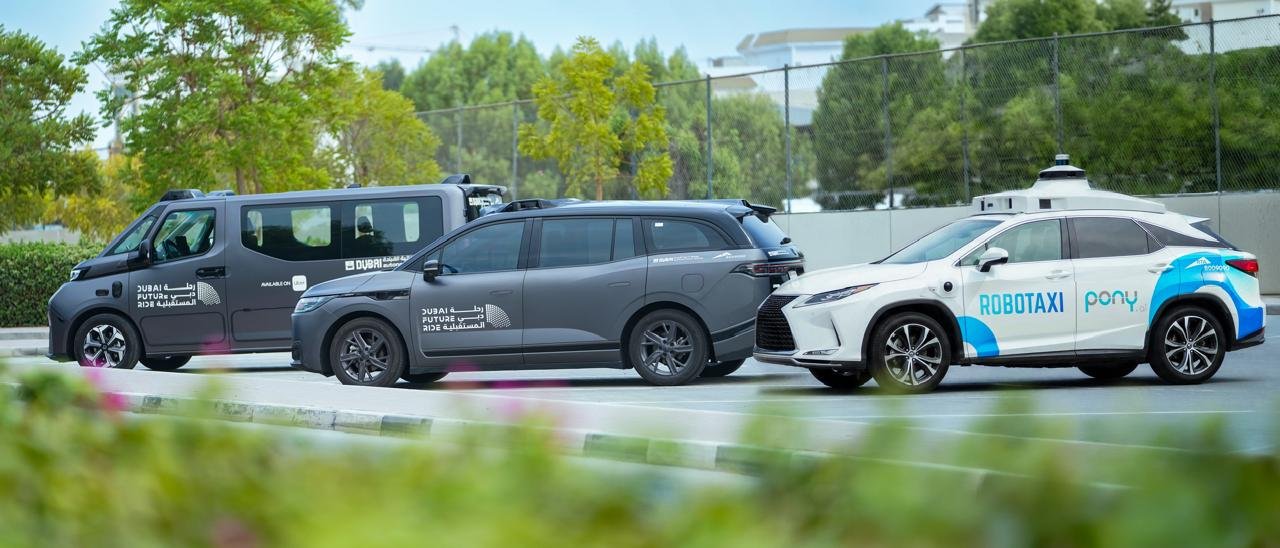
Dubai. Roads and Transport Authority. 20 October 2026:

Dubai’s Roads and Transport Authority (RTA), in collaboration with Canadian University Dubai and Mistral AI, a company specialising in artificial intelligence, recently organised the Smart Mobility Innovation Challenge.
The challenge was organised at RTA’s headquarters, in the Fourth Industrial Revolution Lab for Transport, by the Emerging and Innovative Technologies Section of the Technology Strategy and Governance Department, under RTA’s Corporate Technology Support Services Sector. It aimed to develop innovative AI-powered solutions to improve traffic management efficiency and address traffic congestion challenges across Dubai.


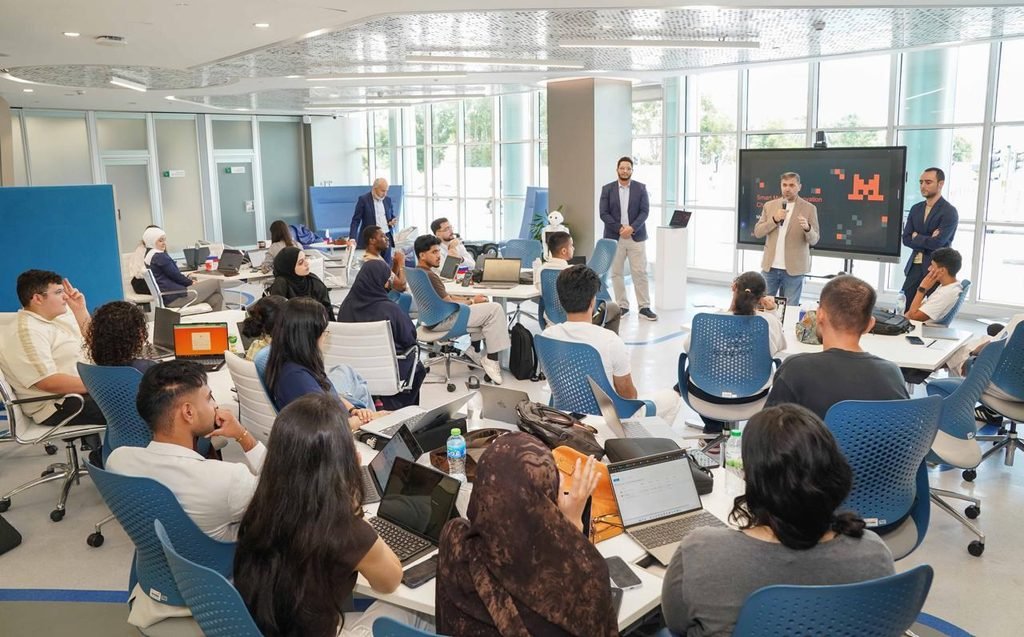
Five multidisciplinary student teams from Canadian University Dubai took part in the challenge, working intensively over four days to explore the challenges presented, analyse data, develop ideas and build prototypes. The teams also worked with specialists and industry experts to review their proposed solutions before presenting their final proposals and working prototypes to an evaluation panel.
It also produced five smart solution concepts focused on optimising traffic signal performance, predicting congestion, diagnosing traffic flow, coordinating smart intersections and supporting proactive decision-making. Each team developed a working prototype, demonstrating the promising potential of emerging technologies to advance Dubai’s transport and mobility ecosystem.
The challenge contributed to strengthened students’ practical skills in artificial intelligence, data analysis, innovation and teamwork, while providing hands-on experience to address real-world transport challenges and transform creative ideas into solutions suitable for practical application and further development.
The fruitful collaboration with Canadian University Dubai and Mistral AI exemplified an advanced model of cooperation between government, academia and technology companies. The university supported the participation of the student teams, while Mistral AI provided the tools and platforms needed to develop the proposed solutions and their prototypes.
The initiative reflected RTA’s strategic direction towards strengthening its role as an innovation hub that promotes future readiness, invests in human development and brings together academic institutions and technology partners, while providing direct channels of engagement with students and researchers to attract high-quality ideas and steer them towards practical applications that support Dubai’s mobility ecosystem.
By enabling young talent to work alongside RTA experts and within its laboratories, the initiative offered opportunities to test AI- and data-driven solutions and turn student projects into prototypes suitable for further development and trials. It also aims to strengthen private-sector partnerships and advance emerging technologies by staying abreast of the latest developments in the labour market.
Engaging students in such challenges brings added value by drawing on their advanced skills in programming, data analysis and experimental design, while introducing fresh ideas from a university environment that encourages research and development. Such initiatives contribute to establishing a sustainable pathway for identifying and nurturing talent, broadening the range of proposed solutions and advancing the most promising ideas through pilot programmes ahead of broader implementation, supporting Dubai’s ambition to become a global leader in smart mobility.
The challenge forms part of RTA’s efforts to foster a culture of innovation, promote knowledge exchange with educational institutions and technology companies, and build effective strategic partnerships. These efforts aim to explore future-oriented solutions that enhance quality of life and urban mobility, while advancing a smarter, more sustainable mobility ecosystem in Dubai.